
Before you try anything for snoring tonight, run this checklist.
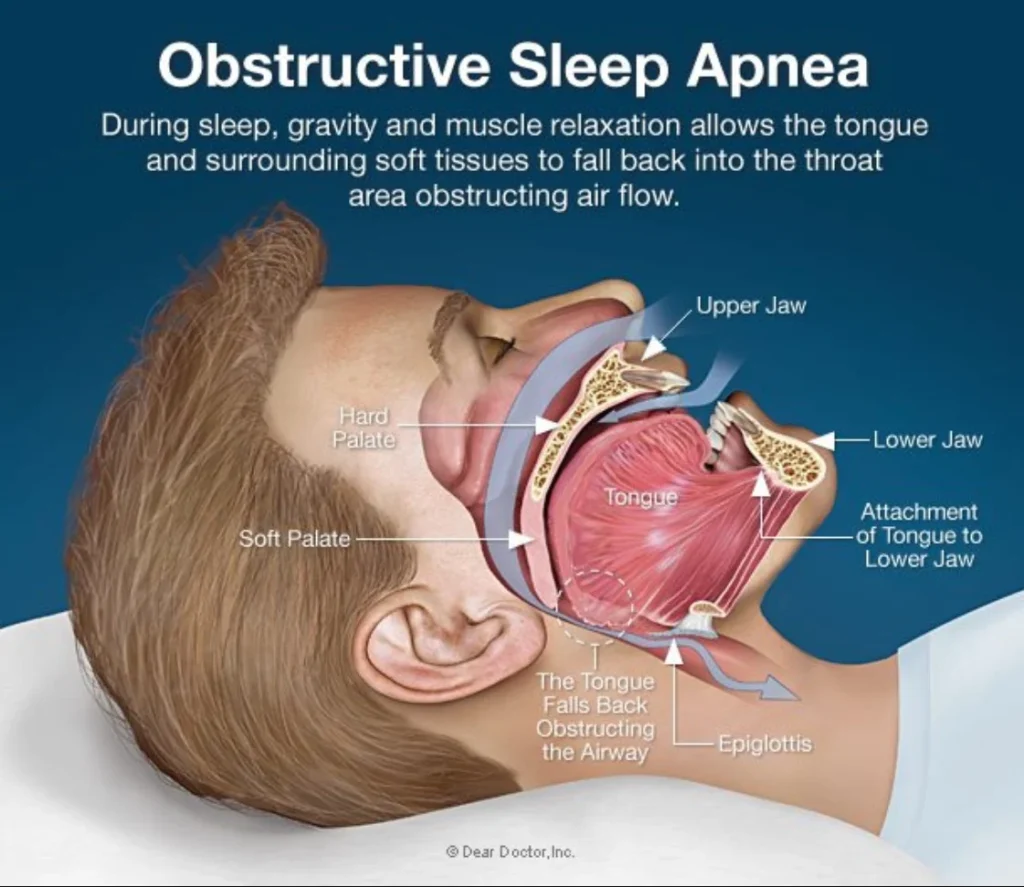
- Screen first: Any choking, gasping, or breathing pauses? If yes, think “possible sleep apnea,” not “cute snoring.”
- Pick one change: Don’t stack three new gadgets at once. You won’t know what helped.
- Skip risky hacks: If a trend can block breathing, treat it like a “no” until a clinician says otherwise.
- Document it: Note bedtime, alcohol, congestion, and sleep position. This protects you and helps you choose smarter.
Snoring is having a moment online. So are sleep trackers, “sleepmaxxing” routines, and relationship jokes about who gets banished to the couch. But the real goal is simple: better sleep quality and safer breathing. If you’re considering an anti snoring mouthpiece, here’s a direct, no-drama way to think about it.
Is my snoring just annoying—or a health flag?
Some snoring is situational. A late flight, hotel air that dries you out, or a brutal burnout week can push you into louder, rougher sleep. That’s common.
Still, snoring can overlap with sleep-disordered breathing. Recent health coverage keeps circling back to the same theme: don’t ignore warning signs, even if you’re younger and “generally healthy.” If your partner hears pauses, or you wake up with a jolt, take it seriously.
Fast red-flag screen (write this down)
- Witnessed pauses in breathing
- Choking or gasping sounds
- Morning headaches or dry mouth most days
- Daytime sleepiness that affects driving or work
- High blood pressure or heart risk factors (known or suspected)
If any of these fit, a mouthpiece may still play a role, but you should prioritize a medical evaluation for sleep apnea. It’s the safer path.
Why is sleep quality such a big deal right now?
Because people are running on fumes. Workplace burnout, doomscrolling, and constant travel fatigue show up in real life as shorter nights and lighter sleep. That combination makes snoring feel louder, and it makes you feel worse the next day.
Sleep gadgets can help you notice patterns. They can also turn bedtime into a performance. Use tech as a notebook, not a judge.
Where does an anti snoring mouthpiece fit compared to other fixes?
Snoring usually happens when airflow gets turbulent. The soft tissues relax, the airway narrows, and vibration starts. A mouthpiece aims to change the mechanics so airflow stays steadier.
What a mouthpiece can be good for
- Snoring linked to jaw position and tongue collapse
- Back-sleeping snoring (common after exhaustion or travel)
- People who want a non-electronic, packable option
What a mouthpiece cannot “power through”
- Strong suspicion of obstructive sleep apnea without screening
- Severe nasal blockage (you still need usable nasal airflow)
- Painful jaw issues that flare with repositioning
Other tools get discussed a lot too, like nasal dilators. Research summaries have looked at how nasal dilators may help some sleep-disordered breathing situations, but results vary. The practical takeaway: match the tool to the bottleneck. Nose tools help the nose. Mouth tools help the mouth/jaw pathway.
Are viral sleep trends (like mouth taping) worth it?
Mouth taping has become a headline-worthy trend, including parent-focused safety discussions. The problem is obvious: if your nose isn’t clear, taping can make breathing harder. It can also mask symptoms that should trigger screening for sleep apnea.
If you’re tempted by a trend because it’s cheap and “everyone on TikTok does it,” pause. Choose the option with the best safety margin for your situation. When in doubt, ask a clinician.
How do I choose and use a mouthpiece responsibly?
Think “comfort, fit, and follow-through.” A mouthpiece that sits in a drawer doesn’t improve sleep quality.
Safety-first selection notes
- Start with fit: A stable fit matters more than fancy features.
- Watch your jaw: Mild adjustment is one thing. Sharp pain is a stop sign.
- Keep it clean: Rinse after use, clean regularly, and store it dry. This reduces odor and contamination risk.
- Track outcomes: Note snoring volume (partner rating works), morning energy, and any soreness.
Want a combined option? Here’s a related product search many people use: anti snoring mouthpiece.
What should I tell my partner so this doesn’t turn into a nightly fight?
Keep it simple and a little funny. Try: “I’m not ignoring you. I’m running a two-week experiment so we both sleep.”
Then agree on a plan. Pick a start date, pick one intervention, and set a check-in. Couples do better when it feels like teamwork, not blame.
When should I stop DIY and get checked?
If you have red flags, don’t bargain with them. If your sleep quality is sliding, or you’re relying on caffeine to function, move screening up your list.
If you want a general news reference about care and solutions being discussed for obstructive sleep apnea, see this: An inspirational solution to obstructive sleep apnea from CommonSpirit Health.
Common questions people ask before buying
- Is this about noise or health? Sometimes both. Screen for apnea symptoms first.
- Do I need a gadget? Not always, but a mouthpiece can be a practical first tool for simple snoring.
- What about “one mistake at night” headlines? Treat them as a reminder to protect sleep basics: consistent schedule, safer breathing, and less late-night disruption.
FAQ
Do anti-snoring mouthpieces work for everyone?
No. They often help when jaw/tongue position contributes to snoring, but not every snoring pattern is the same.
How do I know if my snoring could be sleep apnea?
Look for pauses in breathing, gasping, morning headaches, and major daytime sleepiness. If present, get evaluated.
Is mouth taping safe for snoring?
It can be risky, especially with nasal blockage or possible sleep apnea. A clinician can help you decide safely.
Can travel or burnout make snoring worse?
Yes. Fatigue, alcohol, congestion, and back-sleeping can all increase snoring intensity.
What’s the difference between a mouthpiece and a nasal dilator?
Mouthpieces target jaw/tongue position. Nasal dilators target nasal airflow. Your main bottleneck determines what’s more useful.
Medical disclaimer: This article is for general education only and is not medical advice. Snoring can be a symptom of obstructive sleep apnea or other conditions. If you have choking/gasping, breathing pauses, significant daytime sleepiness, chest pain, or heart concerns, seek medical care promptly.