
Is snoring wrecking your sleep quality (or your partner’s)?
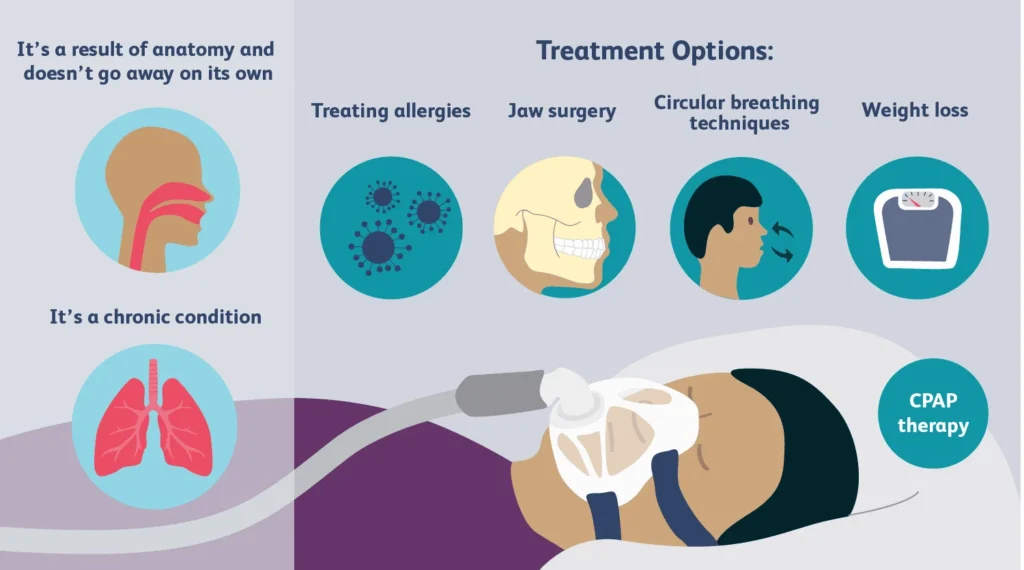
Are you tempted by viral sleep hacks and gadget trends?
Do you want a practical, budget-friendly way to test an anti snoring mouthpiece at home without wasting a month?
Yes, snoring is having a moment. Sleep trackers, “recovery” scores, travel fatigue, and workplace burnout are pushing people to optimize nights like workouts. At the same time, relationship humor about “who sounds like a chainsaw” is everywhere. The goal here is simpler: pick a path that’s safe, realistic, and measurable.
First: skip the risky shortcut mindset
When a hack feels too easy, it often is. One trend getting pushback is mouth taping. If you’re curious why clinicians are cautious, read this: Sleep apnea – Symptoms and causes.
Snoring can be annoying. It can also be a sign your airway is struggling. If you suspect sleep apnea, don’t DIY your way around it.
The decision guide: If…then… choose your next move
If your snoring is occasional (travel, alcohol, congestion), then run a 7-night reset
Travel fatigue and weird hotel air can turn anyone into a snorer. Before buying anything, test the basics for one week:
- Side-sleeping support (pillow or backpack trick).
- Cut late alcohol for a few nights.
- Address temporary nasal stuffiness (saline rinse or shower steam).
If the snoring fades, you just saved money. If it doesn’t, keep going down the map.
If snoring is frequent and relationship-level loud, then consider an anti snoring mouthpiece
This is where an anti snoring mouthpiece can be a practical home trial. Many are designed to gently position the lower jaw forward to reduce airway collapse. That’s why they’re often discussed alongside sleep quality improvements.
To avoid wasting a cycle, define “success” before you start:
- Partner reports fewer wake-ups.
- You wake less often and feel less foggy.
- Your tracker shows fewer sound spikes (if you use one).
If you want to compare options quickly, start here: anti snoring mouthpiece.
If you wake up gasping, have pauses in breathing, or feel wrecked daily, then don’t self-treat
Snoring plus choking/gasping, witnessed breathing pauses, morning headaches, or heavy daytime sleepiness can point to sleep apnea. That’s a medical issue, not a “try harder” issue. Get evaluated, especially if you also have high blood pressure or you nod off easily during the day.
If you tried a mouthpiece and quit after one night, then fix the “fit and feel” problems first
Most failures are comfort failures. Common friction points include jaw soreness, drooling, or a bulky feel. Instead of forcing it, tighten the feedback loop:
- Use it for short periods before sleep to acclimate.
- Re-check sizing or adjustability if your model allows it.
- Stop if you get sharp pain, tooth pain, or bite changes.
A good trial is consistent, not heroic.
If you’re buying on a budget, then prioritize safety and clear return policies
The sleep gadget market is loud right now. Some products oversell “instant” results. Keep your filter on:
- Look for materials designed for oral use and clear cleaning guidance.
- Avoid anything that pressures you into unsafe breathing habits.
- Choose a path that lets you stop quickly if it feels wrong.
What people are talking about right now (and what matters)
Sleep optimization culture: Trackers can help you notice patterns, but they can also create anxiety. Use data as a clue, not a verdict.
Workplace burnout: When stress is high, sleep gets lighter. Lighter sleep makes snoring feel louder and more disruptive. Fixing snoring can help, but so can protecting wind-down time.
Relationship reality: Separate blankets and a plan beats nightly arguments. Treat snoring like a shared problem with a test-and-review approach.
Quick safety note (read this)
Medical disclaimer: This article is for general education and is not medical advice. Snoring can be linked to obstructive sleep apnea and other conditions. If you have breathing pauses, gasping, chest pain, severe daytime sleepiness, or persistent symptoms, talk with a licensed clinician for evaluation and personalized guidance.
FAQs (fast answers)
Is snoring always a health problem?
Not always, but it can signal airway narrowing. If you have choking, gasping, or major daytime sleepiness, get evaluated.
Are anti-snoring mouthpieces the same as night guards?
No. Night guards mainly protect teeth from grinding. Anti-snoring mouthpieces are designed to help keep the airway more open during sleep.
Can mouth taping stop snoring?
Some people talk about it online, but doctors have raised safety concerns. If you have nasal blockage or possible sleep apnea, it can be risky.
How fast should a mouthpiece help?
Many people look for changes within a few nights. If nothing improves after consistent use, reassess fit, habits, and possible underlying causes.
When should I suspect sleep apnea instead of “normal” snoring?
Red flags include loud snoring plus pauses in breathing, gasping, morning headaches, high sleepiness, or high blood pressure. Consider medical screening.