
Before you try another snoring fix, run this checklist.
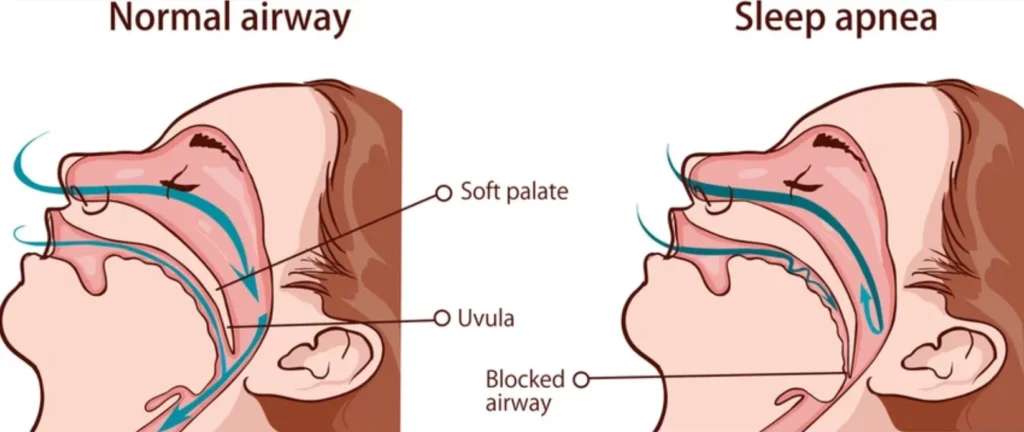
- Screen for red flags: choking/gasping, witnessed breathing pauses, morning headaches, high blood pressure, or severe daytime sleepiness.
- Confirm the pattern: back-sleeping only, after alcohol, during travel fatigue, or every night regardless.
- Protect sleep hygiene: consistent bedtime, cooler room, and less late caffeine. Gadgets won’t outrun burnout.
- Document what you try: date started, comfort issues, and whether your partner noticed a change. This reduces guesswork and helps if you need medical follow-up.
Snoring is having a moment in the culture. You see “expert pillow lists,” device roundups, and the usual relationship humor about separate bedrooms. Add business travel and workplace burnout, and people are looking for fixes that are fast, quiet, and low-drama.
Decision guide: If…then… choose your next move
If snoring comes with breathing pauses or gasping… then don’t DIY it
Snoring can be simple vibration. It can also be a sign of obstructed breathing during sleep. If you’ve heard the “is it snoring or sleep apnea?” question in the news lately, that’s why: the overlap matters.
Action: get screened for sleep apnea through a qualified clinician or sleep service. A mouthpiece or pillow may still play a role later, but safety comes first.
If snoring is mostly on your back… then start with positioning
Positional snoring is common. When you roll onto your back, gravity can narrow the airway and increase vibration.
Try first: side-sleep support and smarter pillow setup. If you want a mainstream reference point, see this 12 best pillows to help with snoring, according to sleep experts search and compare features that promote side sleeping and steady head/neck alignment.
Note: pillows can help if position is the trigger. They won’t reliably fix snoring driven by congestion, anatomy, or untreated sleep apnea.
If you wake with a dry mouth… then look at mouth-breathing and jaw position
Dry mouth often points to mouth-breathing. That can increase snoring for some people, especially during allergy seasons, hotel stays with dry air, or post-flight dehydration.
Then consider: devices that address airflow dynamics. Chin straps may help some mouth-breathers keep lips closed, but fit and comfort vary. If the underlying issue is jaw position and airway space, an anti snoring mouthpiece may be the more direct tool.
If the goal is fewer “elbow nudges”… then choose the least disruptive option
Relationship sleep is its own trend. People want solutions that don’t require a lab, a loud machine, or nightly negotiation.
Then choose: the lowest-friction step you can stick with for two weeks. For many, that’s either (1) position changes, or (2) a mouthpiece that’s easy to test consistently.
If you’re overwhelmed by gadget lists… then narrow it to risk, comfort, and consistency
Device roundups are everywhere right now. They can be useful, but they also create “option paralysis.”
- Risk: do you have red flags for sleep apnea? If yes, screen first.
- Comfort: if it hurts, you won’t use it. That makes it a bad solution.
- Consistency: pick something you can use on weeknights, not just on weekends.
Where an anti-snoring mouthpiece fits (and where it doesn’t)
An anti-snoring mouthpiece is typically used to reduce snoring by changing oral/jaw positioning during sleep, which can reduce airway vibration for certain snorers. It’s popular because it’s small, travel-friendly, and doesn’t require charging. That matters when travel fatigue is already wrecking your sleep schedule.
Good fit signals
- Snoring is frequent but not paired with major apnea red flags.
- Snoring is worse after alcohol or when you’re overtired.
- You suspect mouth-breathing or jaw relaxation at night.
- You want a quiet, packable option for hotels and work trips.
Use extra caution (or skip) if any of these apply
- Jaw pain, TMJ issues, or significant dental problems.
- Loose teeth, active gum disease, or recent dental work.
- Severe daytime sleepiness or witnessed breathing pauses.
Reduce risk: a simple “document your choice” routine
If you try a device, treat it like a mini experiment. This keeps you safer and reduces wasted money.
- Baseline: note bedtime, wake time, alcohol, congestion, and sleep position for 3 nights.
- Trial window: use one change at a time for 10–14 nights.
- Track outcomes: partner report, your morning energy, dry mouth, and any jaw/tooth discomfort.
- Stop rules: stop if you get persistent pain, new bite changes, or worsening symptoms.
FAQ (quick answers)
Is snoring always a problem?
Not always, but frequent loud snoring can wreck sleep quality for you and your partner. If it comes with choking, gasping, or heavy daytime sleepiness, get screened for sleep apnea.
What’s the difference between a snoring mouthpiece and a chin strap?
Mouthpieces typically aim to reposition the jaw or stabilize the mouth to reduce vibration. Chin straps mainly encourage keeping the mouth closed, which may help some mouth-breathers but won’t fit every snoring cause.
How do I know if a mouthpiece is worth trying?
If snoring is position-related, worse after alcohol, or you wake with a dry mouth, a mouthpiece may be a reasonable next step. If you have major red flags for sleep apnea, prioritize medical screening first.
Can pillows really reduce snoring?
For some people, yes. Pillows that support side-sleeping or improve head/neck alignment may reduce positional snoring, but they won’t solve every airway issue.
What are common side effects of anti-snoring mouthpieces?
Some people notice jaw soreness, tooth discomfort, excess saliva, dry mouth, or bite changes. Stop using it if pain persists and consider a clinician-guided option if you have dental concerns.
Next step: pick one option and run the 2-week test
If you want to compare mouthpiece styles quickly, start here: anti snoring mouthpiece. Choose one path, track results, and avoid stacking five gadgets at once.
How do anti-snoring mouthpieces work?
Medical disclaimer: This article is for general education and does not replace medical advice. Snoring can be a symptom of obstructive sleep apnea or other health conditions. If you have breathing pauses, gasping/choking, chest pain, severe daytime sleepiness, or concerns about dental/TMJ issues, seek guidance from a qualified clinician.