
- Snoring is a sleep-quality problem, not just a noise problem.
- An anti snoring mouthpiece can help when jaw and tongue position are the main trigger.
- Comfort beats hype: fit, jaw setting, and nightly consistency matter more than bold claims.
- Track the basics: snore volume, wake-ups, morning dryness, and daytime sleepiness.
- Know the red flags: choking/gasping, witnessed pauses, or severe sleepiness need medical attention.
The big picture: why snoring is trending again
Sleep tech is everywhere right now. People compare ring scores, app graphs, and “recovery” numbers over coffee. At the same time, more of us are dealing with travel fatigue, late-night screens, and workplace burnout that spills into bedtime.
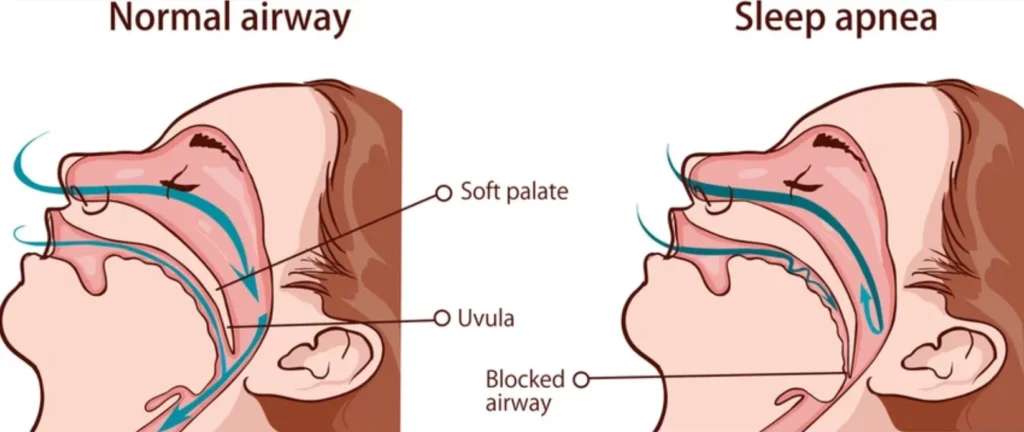
That mix makes snoring feel louder—literally and socially. It can turn into relationship humor (“you’re sawing logs again”) until nobody is laughing at 2:00 a.m.
There’s also a growing public conversation about sleep science quality. Some recent commentary has pushed readers to question shaky claims and unsupported beliefs around sleep disorders. If you want a broad, news-style starting point, see this Weekly Research Digest: Bad Research, Unsupported Beliefs, and Sleep Apnea.
The emotional side: snoring hits identity, intimacy, and patience
Snoring is one of those problems that feels personal fast. The snorer may feel embarrassed. The partner may feel resentful. Both people can end up tired, short-tempered, and convinced they “tried everything.”
Add burnout, and the stakes go up. When you’re already running on fumes, one more interrupted night can wreck your focus, workouts, and mood.
Keep the goal simple: reduce disruptions and protect sleep quality for both people. That mindset helps you choose tools based on results, not vibes.
Practical steps: a no-drama plan for better nights
Step 1: Identify your likely snoring pattern (fast)
You don’t need a lab to start learning. Use a phone recording app, or ask your partner for specific notes.
- Position-related: louder on your back, quieter on your side.
- Congestion-related: worse with allergies, colds, or dry air.
- Fatigue/alcohol-related: spikes after late nights, drinks, or travel days.
This matters because mouthpieces mainly target the airway mechanics linked to jaw/tongue position.
Step 2: Where an anti-snoring mouthpiece fits (and why)
Most popular mouthpieces are mandibular advancement devices (MADs). They gently hold the lower jaw forward. That can create more space behind the tongue, which may reduce vibration and noise.
If your snoring is mostly positional or “jaw drops open” snoring, a mouthpiece is a reasonable tool to test. If congestion is the main driver, you may need to address airflow first, then reassess.
If you’re comparing products, start here: anti snoring mouthpiece.
Step 3: ICI basics (the boring stuff that works)
Think ICI: Insertion, Comfort, Iteration. Most failures happen because people skip the iteration part.
- Insertion: Seat it the same way every night. Don’t rush it.
- Comfort: Mild pressure is fine. Sharp pain is not.
- Iteration: Small adjustments beat big jumps. Give each setting a few nights.
Pair that with simple positioning. If you snore worst on your back, side-sleeping can amplify the benefit of a mouthpiece.
Step 4: Track outcomes you can actually feel
Skip the obsession with perfect scores. Track what changes your next day.
- Fewer wake-ups
- Less morning dry mouth
- Partner reports less snoring
- Better daytime alertness
Give it 7–14 nights for a fair test unless you have pain or worsening symptoms.
Safety and testing: how to use mouthpieces responsibly
Start low and go slow
More advancement is not automatically better. Too much forward pull can irritate the jaw or change your bite over time. Use the minimum setting that reduces snoring.
Check your jaw and teeth signals
Stop and reassess if you notice persistent jaw pain, tooth pain, headaches, or bite changes that don’t fade after an adjustment period. If you have dental work, TMJ issues, or loose teeth, talk with a dentist before using a device.
Don’t ignore possible sleep apnea
Snoring can coexist with sleep apnea, but it isn’t the same thing. Get medical evaluation if you have loud snoring plus choking/gasping, witnessed breathing pauses, high blood pressure concerns, or major daytime sleepiness.
Cleanup that keeps it comfortable
Build a two-minute routine. Rinse after use, gently brush with mild soap, and air-dry. A clean device tends to feel better and smell better, which makes consistency easier.
FAQ: quick answers people ask in real life
Is an anti snoring mouthpiece better than “viral” sleep gadgets?
It depends on the cause of your snoring. Mouthpieces target airway mechanics. Many gadgets focus on tracking or comfort. Choose based on your snoring pattern and measurable results.
What if my partner still hears snoring sometimes?
Look for patterns. It may happen on back-sleeping nights, after alcohol, or when you’re congested. Combine positioning, consistent use, and small fit tweaks.
Can I use a mouthpiece every night?
Some people do, but comfort and jaw health come first. If you need nightly use, consider a dental check-in and monitor for bite changes.
CTA: make your next step simple
If snoring is cutting into your sleep quality, don’t wait for a “perfect” solution. Test one solid tool, track results, and adjust with intention.
How do anti-snoring mouthpieces work?
Medical disclaimer: This article is for general education only and is not medical advice. Snoring can be a sign of obstructive sleep apnea or other health conditions. If you have choking/gasping, witnessed breathing pauses, chest pain, severe daytime sleepiness, or persistent symptoms, seek evaluation from a qualified clinician.