
Myth: Snoring is just a funny bedtime soundtrack, and the only “real” fix is a pricey gadget.
Reality: Snoring is often a sleep-quality problem with relationship, mood, and work-day consequences. The best plan is usually simple: better habits, smart positioning, and the right tool—sometimes an anti snoring mouthpiece.
The big picture: why snoring is in the spotlight again
Sleep is having a cultural moment. People are swapping scrolling for wind-down routines, buying trackers, and talking openly about 3 a.m. wake-ups. Add travel fatigue, time changes, and workplace burnout, and suddenly “good sleep” feels like a performance metric.
There’s also growing awareness that untreated breathing issues at night can have wider impacts. Headlines about lost productivity and the expanding anti-snoring device market reflect the same point: poor sleep doesn’t stay in the bedroom.
If you want a quick reset on the basics, this roundup of I asked 5 doctors for their best ever sleep hygiene tips to fall asleep fast and reverse 3 a.m. wake-ups — here’s what they said captures what many clinicians emphasize: consistency, light timing, and a calmer pre-bed routine.
The emotional side: it’s not “just snoring” when it affects two people
Snoring jokes land on social media because they’re relatable. In real life, it can feel less funny at 2:17 a.m. when one person is wide awake, the other is frustrated, and both have an early meeting.
Try naming the shared goal: “Let’s both sleep better.” That small shift reduces blame and makes it easier to test solutions without turning bedtime into a debate.
Practical steps that help before you buy anything
1) Run a fast snoring check
Ask three questions for one week:
- Is snoring worse on your back?
- Is it worse after alcohol or heavy late meals?
- Do you wake with dry mouth, sore throat, or headaches?
This isn’t a diagnosis. It’s a pattern finder. Patterns tell you what to try first.
2) Do the “airway-friendly” bedtime setup
Small changes can reduce vibration and congestion. Keep the room cool, aim for a consistent bedtime, and wind down without bright light right before bed. If you’re dealing with travel fatigue or a time change, prioritize a steady wake time and morning light exposure.
Also consider nasal comfort: gentle saline rinses or nasal strips may help some people breathe more easily. If allergies are in play, addressing them can matter.
3) Use positioning like a tool, not a rule
Back-sleeping can make snoring more likely for some people. Side-sleeping often helps. A body pillow, a backpack-style position aid, or a pillow that supports your neck can make side-sleeping feel natural instead of forced.
Where an anti snoring mouthpiece fits (and what “good fit” really means)
When habits and positioning aren’t enough, a mouthpiece can be a practical next step. Many anti-snoring mouthpieces work by gently moving the lower jaw forward to help keep the airway more open. Less collapse can mean less vibration, which can mean less noise.
What people are talking about right now includes “dual therapy” approaches and new sleep products. That’s useful as a concept: one tool rarely fixes everything. Mouthpieces often work best when paired with basics like side-sleeping and a consistent wind-down.
Comfort basics: the ICI checklist
- ICI = Initial fit, Comfort, Integration.
- Initial fit: It should feel secure, not tight. You should be able to close your lips without strain.
- Comfort: Mild awareness is normal early on. Sharp pain, numbness, or intense jaw pressure is not.
- Integration: It needs to work with your sleep style—back, side, or combo—and your bedtime routine.
Positioning + mouthpiece: the common winning combo
If your snoring spikes on your back, pairing a mouthpiece with side-sleep supports can be a strong, low-drama strategy. Think of it like reducing two bottlenecks at once: jaw position and body position.
Cleanup and care (quick, not fussy)
Rinse after use, clean with a gentle brush, and let it air dry. Avoid harsh cleaners unless the product instructions say they’re safe. A clean mouthpiece tends to feel better and last longer.
Safety and self-testing: when to stop DIY and get checked
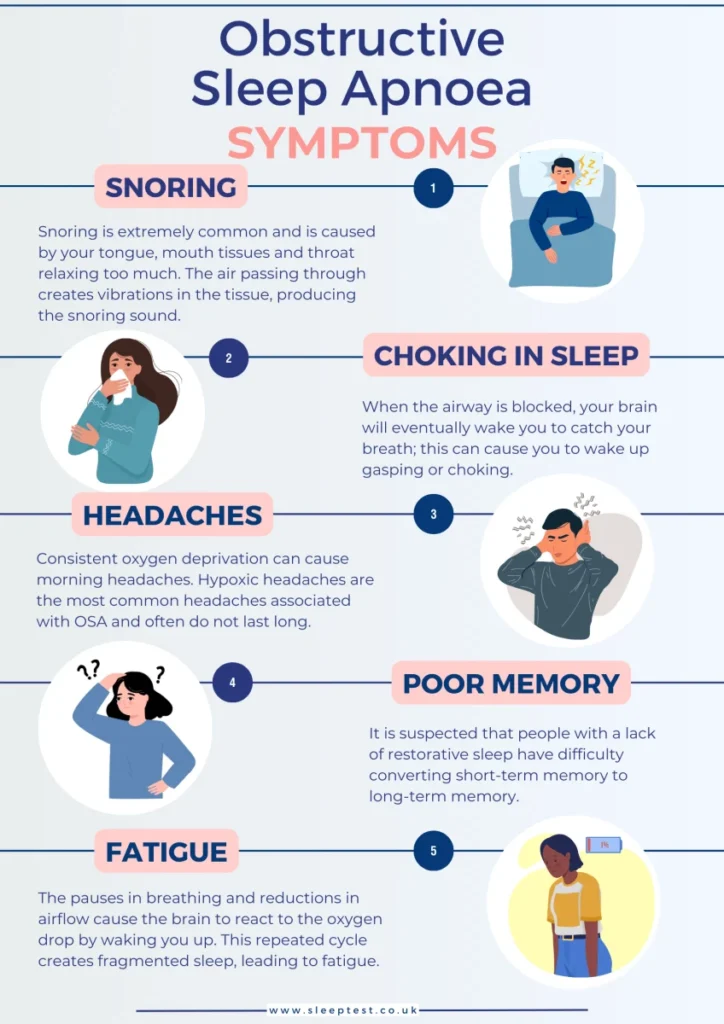
Snoring can be harmless, but it can also be a sign of obstructive sleep apnea. Consider medical evaluation if you notice loud snoring plus choking/gasping, witnessed breathing pauses, significant daytime sleepiness, or high blood pressure concerns.
Stop using a mouthpiece and talk to a dentist or clinician if you get persistent jaw pain, tooth pain, gum irritation, or bite changes. Those are fixable issues, but they shouldn’t be ignored.
Also note: you may see headlines linking nutrients (like vitamin D) to snoring. Treat those as conversation starters, not a standalone fix. If you suspect a deficiency, a clinician can advise appropriate testing and next steps.
FAQ: quick answers people want right now
Is snoring worse during burnout or stress?
Stress can worsen sleep quality and increase light sleep, which may make snoring feel more frequent. It can also amplify how disruptive it seems to a partner.
Do sleep trackers help with snoring?
They can help you notice trends (like alcohol nights or travel days). They can’t confirm sleep apnea on their own.
Can I use a mouthpiece if I grind my teeth?
Some people do, but grinding changes the comfort and wear pattern. If you suspect grinding, consider a dental opinion before long-term use.
CTA: a simple next step if you want quieter nights
If you want a tool-focused option that pairs well with positioning and routine changes, consider an anti snoring mouthpiece. It’s designed to support a more stable nighttime setup for people who want a practical, at-home approach.
How do anti-snoring mouthpieces work?
Medical disclaimer: This article is for general education and does not provide medical advice, diagnosis, or treatment. If you suspect sleep apnea or have ongoing symptoms, consult a qualified clinician.