
Snoring used to be a “dad joke.” Now it’s a sleep-health headline.
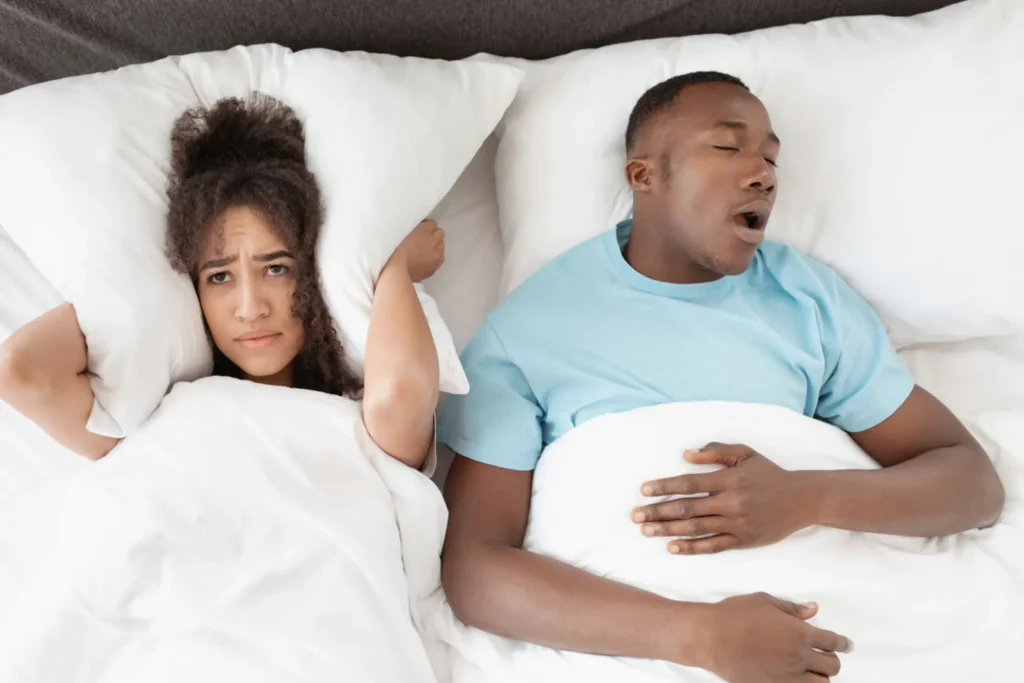
Between viral hacks, shiny sleep gadgets, and travel fatigue, people are hunting for quiet nights on a budget.
Here’s the grounded take: an anti snoring mouthpiece can be a practical at-home step, but it’s not a substitute for checking red-flag symptoms.
What people are trying right now (and why it’s everywhere)
Sleep has become a mini industry. You’ve got wearables scoring your “readiness,” apps analyzing audio, and a growing interest in sleep coaching to sort through the endless advice.
At the same time, social feeds keep serving up quick fixes. Mouth taping, nasal gadgets, and “biohacks” trend because they feel simple, cheap, and shareable.
Why the buzz matters for real life
Snoring isn’t only about noise. It can affect sleep quality for you and the person next to you, which turns into morning irritability, relationship humor that’s not actually funny, and next-day burnout at work.
When you stack that on business travel, jet lag, or late-night scrolling, a small breathing issue can feel like a big life problem.
A quick note on mouth taping (the viral one)
Mouth taping gets attention because it looks like a “one-step” solution. But safety questions come up fast, especially for parents and anyone with nasal blockage.
If you’re curious, read a cautious overview like Is Mouth Taping Safe for Sleep? What Parents Should Know About This TikTok Trend before you try it. If you can’t breathe easily through your nose while awake, taping is a bad bet.
What matters medically (without the scare tactics)
Snoring usually happens when airflow gets turbulent and tissues vibrate. That can be influenced by sleep position, nasal congestion, alcohol, weight changes, and jaw/tongue position.
Sometimes, though, snoring sits next to something bigger: sleep apnea. That’s when breathing repeatedly stops or becomes very shallow during sleep.
Red flags you shouldn’t “DIY away”
- Choking, gasping, or snorting awake
- Someone witnesses breathing pauses
- Morning headaches or dry mouth most days
- Strong daytime sleepiness, brain fog, or drowsy driving risk
- High blood pressure or heart risks (talk to your clinician)
If those sound familiar, it’s time for a medical conversation and possibly a sleep study. An at-home gadget can’t rule out sleep apnea.
What about nasal dilators?
Nasal dilators (internal or external) are popular because they’re easy and low commitment. Research reviews have looked at how well they help in sleep-disordered breathing, with mixed results depending on the person and the outcome measured.
If your snoring is clearly worse with congestion, they may be worth a short trial. If your snore is more “throat-based,” a mouthpiece may be the more direct lever.
What you can try at home (practical, low-waste steps)
Think of this as a short experiment, not a new personality. Run one change at a time for 7–14 nights so you don’t waste a cycle guessing what worked.
Step 1: Do a quick snore audit
- Timing: Is it every night or mostly after alcohol, late meals, or travel?
- Position: Worse on your back?
- Nose: Are you blocked at bedtime?
- Partner notes: Any pauses or gasps?
Step 2: Fix the “easy wins” first
- Side-sleeping support (pillow positioning or a backpack-style trick)
- Earlier alcohol cutoff and lighter late-night meals
- Shower or saline rinse for nighttime nasal comfort (if appropriate for you)
- Consistent sleep window to reduce overtired, deep-collapse sleep
Step 3: Where an anti snoring mouthpiece fits
Many anti-snoring mouthpieces aim to keep the airway more open by gently positioning the lower jaw forward or stabilizing the tongue. That can reduce vibration and noise for some sleepers.
The budget-friendly approach is to pick a reputable style, commit to a short trial window, and track two outcomes: partner-reported noise and your morning energy.
If you want to compare options, start here: anti snoring mouthpiece.
Comfort checklist (so you don’t quit on night two)
- Expect an adjustment period; mild drooling or tightness can happen early on
- Stop if you get sharp jaw pain, tooth pain, or worsening headaches
- Keep it clean and replace it when it shows wear or odor
When to stop experimenting and get help
Get evaluated sooner if you suspect sleep apnea or if snoring is paired with significant daytime impairment. You don’t need to “earn” medical care by trying every hack first.
Also consider professional input if you have braces, significant dental work, loose teeth, or chronic TMJ issues. Oral devices can still be possible, but you’ll want the right fit and plan.
FAQ
Do anti-snoring mouthpieces work for everyone?
No. They tend to help when snoring relates to jaw/tongue position, but they may not help if congestion, alcohol, or untreated sleep apnea is the main driver.
Is snoring always a sign of sleep apnea?
Not always, but loud, frequent snoring plus choking/gasping, daytime sleepiness, or witnessed breathing pauses should be evaluated for sleep apnea.
Can I use an anti-snoring mouthpiece if I have TMJ?
Maybe. Some people with jaw issues feel worse with oral devices. If you have TMJ pain, start cautiously and consider dental guidance.
What’s the difference between a mouthguard and an anti-snoring mouthpiece?
Sports mouthguards protect teeth. Anti-snoring mouthpieces are designed to change airflow by repositioning the jaw or stabilizing the tongue.
How long does it take to notice a change?
Some people notice improvement within a few nights, while others need a couple of weeks to adjust fit, sleeping position, and comfort.
CTA: One clean next step
If you’re tired of buying random sleep gadgets and hoping for magic, start with a focused trial and simple tracking.
How do anti-snoring mouthpieces work?
Medical disclaimer: This article is for general education and is not medical advice. Snoring can be a sign of a sleep disorder, including sleep apnea. If you have breathing pauses, choking/gasping, significant daytime sleepiness, chest pain, or other concerning symptoms, seek evaluation from a qualified clinician.