
Before you try another sleep “hack,” run this checklist:
- Confirm the pattern: Is the snoring most nights, or only after alcohol, travel, or a late meal?
- Check the stakes: Any gasping, choking, breathing pauses, or extreme daytime sleepiness?
- Pick one change for 7 nights: One tool, one routine tweak. No stacking five gadgets at once.
- Protect your budget: Avoid buying a drawer full of “viral” fixes that don’t match your situation.
Snoring is having a moment again. Sleep trackers, “smart” pillows, and social trends keep popping up. Add travel fatigue, workplace burnout, and the classic relationship joke—“your snore has its own zip code”—and it’s no surprise people want a fast solution. The goal isn’t perfection. It’s better sleep quality without wasting a cycle.
A simple decision guide (If…then…)
Use these branches to decide what to try next, including whether an anti snoring mouthpiece makes sense for you.
If your snoring is new or suddenly worse… then rule out red flags first
If snoring showed up out of nowhere, or it ramped up fast, take it seriously. Snoring can be harmless, but it can also show up alongside sleep-disordered breathing. If you notice pauses in breathing, gasping, morning headaches, or intense daytime fatigue, consider talking with a clinician or a sleep specialist.
Want context on the broader conversation about sleep trends and safety? Here’s a helpful, general read framed like a search query: Is Mouth Taping Safe for Sleep? What Parents Should Know About This TikTok Trend.
If snoring hits hardest after flights, late nights, or burnout… then focus on friction reducers
Travel fatigue and stress can turn “light snoring” into “why is the wall vibrating?” Dry hotel air, irregular schedules, and sleeping on your back can all make things worse.
- Make nasal breathing easier: Humidity, a warm shower, or a saline rinse can help some people feel less blocked.
- Change the angle: Side sleeping often reduces snoring for many sleepers.
- Cut the late-night stack: Heavy meals and alcohol close to bedtime can be snore multipliers.
These are low-cost moves. They also help you learn what’s driving your snoring before you buy gear.
If you’re tempted by viral mouth hacks… then slow down and choose safer options
Social feeds love a dramatic “one weird trick.” Mouth taping is one of those trends that gets attention because it looks simple. The problem is that “simple” isn’t the same as “safe for everyone.” If your nose is blocked, forcing mouth closure can feel awful and may be risky.
When you want a practical at-home option, it’s usually smarter to look at approaches designed for snoring—rather than improvising with tape.
If your snoring is positional or sounds like vibration in the throat… then a mouthpiece may be worth a trial
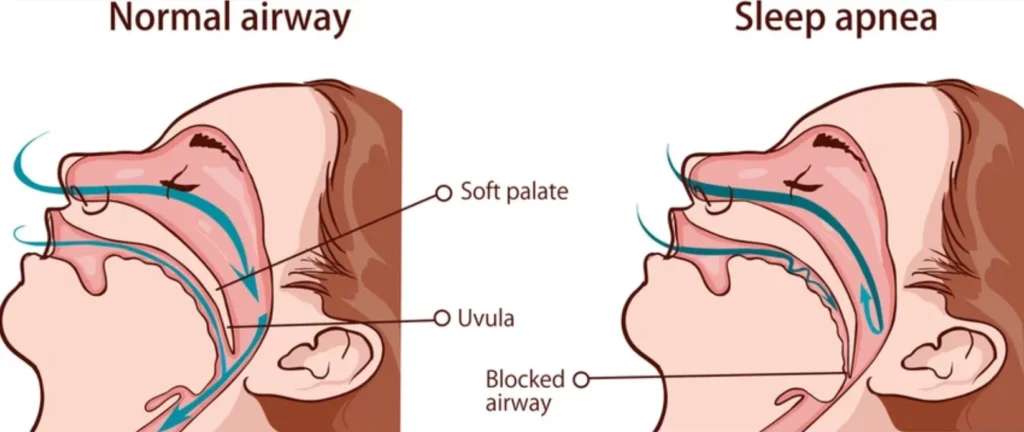
Many people snore because tissues in the airway vibrate when airflow narrows during sleep. For some, jaw and tongue position plays a role. That’s where a mouthpiece can help: it aims to keep the airway more open by changing positioning.
Shopping tip: don’t overcomplicate it. Start with one product type and give it a fair trial period. If you want a place to compare options, see anti snoring mouthpiece.
If you already use CPAP but still snore… then troubleshoot instead of piling on gadgets
Some people assume CPAP automatically ends all snoring. In real life, you can still snore if the mask fit is off, you have nasal congestion, you’re leaking air through the mouth, or settings need adjustment. This is a good moment to check in with your sleep clinic rather than buying random add-ons.
How to test an anti snoring mouthpiece without wasting a week
Use a simple, low-drama experiment:
- Pick a 7–14 night window: Your first night is not the verdict.
- Track two outcomes: (1) partner-reported snoring volume, (2) your morning energy.
- Watch comfort signals: Mild adjustment is common. Sharp pain is not.
- Don’t change everything else: Keep caffeine, alcohol, and bedtime roughly consistent.
This approach keeps it practical. It also helps you avoid the “new gadget placebo” that disappears when the novelty fades.
Quick FAQ (bookmark-worthy)
What if my partner says the snoring stopped, but I still feel tired?
Snoring volume and sleep quality don’t always match. If fatigue persists, it may be worth discussing sleep quality and possible sleep-disordered breathing with a clinician.
Can a mouthpiece replace medical care for sleep apnea?
No. If sleep apnea is suspected or diagnosed, follow medical guidance. Some devices may be part of a plan, but that decision belongs with a professional.
What’s the most budget-friendly first step?
Start with position and routine changes for a week. If snoring remains consistent, then consider a mouthpiece trial instead of buying multiple “sleep gadgets.”
Next step: get a clear answer fast
If you’re ready to understand the mechanism before you buy anything, start here:
How do anti-snoring mouthpieces work?
Medical disclaimer
This article is for general education and does not provide medical advice, diagnosis, or treatment. If you have symptoms such as breathing pauses, choking/gasping during sleep, chest pain, severe daytime sleepiness, or persistent snoring that worries you, seek evaluation from a qualified healthcare professional.