
Myth: The newest sleep gadget (or the loudest TikTok hack) will “solve” snoring overnight.
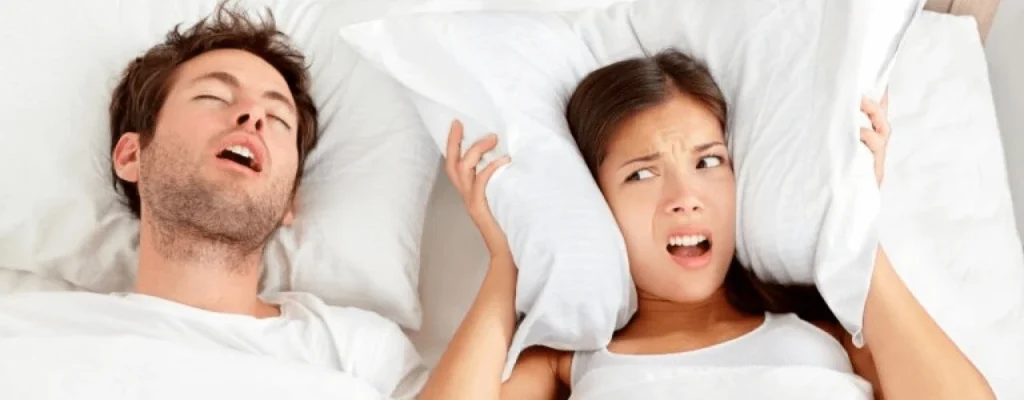
Reality: Most snoring fixes are boring. They’re also cheaper and more reliable when you match the tool to the cause.
If you’ve been tempted by “sleepmaxxing,” nightly sleep scores, or viral trends like mouth taping, you’re not alone. People are talking about sleep more than ever, partly because burnout is real, travel fatigue is constant, and nobody wants to be the person keeping the whole house awake.
Why am I snoring more lately?
Snoring often gets worse when your routine gets messy. Think late work nights, extra caffeine, a few drinks after a long week, or hotel pillows that feel like bricks.
When you sleep, throat tissues relax. If airflow narrows, those tissues can vibrate and create snoring noise. Your sleep quality drops, and your bed partner starts negotiating “sleep divorce” terms as a joke that stops being a joke.
Quick, practical triggers to check at home
- Sleep position: Back sleeping can make snoring more likely for many people.
- Alcohol near bedtime: It relaxes airway muscles and can turn mild snoring into a full soundtrack.
- Nasal congestion: Allergies, colds, or dry air can push you toward mouth breathing.
- Stress and irregular sleep: Not a direct “cause,” but it can amplify the problem by fragmenting sleep.
Do sleep trackers and “sleepmaxxing” actually improve sleep quality?
Sleep tracking can be useful. It can also backfire when it turns into a nightly performance review. Recent coverage has highlighted how people chase perfect metrics and end up more anxious, which can make sleep worse.
Use trackers as a flashlight, not a judge. Look for trends you can act on: bedtimes drifting later, short total sleep, or restless nights after late meals. Then make one change for a week.
If you want more context on the conversation around tracking and “sleepmaxxing,” see this related coverage: Why Doctors Say You Shouldn’t Tape Your Mouth Shut at Night.
Is mouth taping a good idea for snoring?
Mouth taping is having a moment online. At the same time, many doctors have warned people not to treat it like a universal fix, especially if nasal breathing is limited.
Here’s the budget lens: mouth taping is cheap, but the downside risk is not. If your nose is blocked, taping your mouth can make breathing harder. That’s not a “hack.” That’s a problem.
If you’re mouth breathing because of congestion, focus on safer basics first (like addressing dryness and allergies) and consider talking with a clinician if symptoms persist.
When does an anti snoring mouthpiece make sense?
An anti snoring mouthpiece is often used to help keep the airway more open by supporting jaw position during sleep. It’s a practical option when snoring is linked to how your jaw and tongue settle at night.
This is why mouthpieces stay popular even as trends change. They’re not flashy, but they’re targeted. And they don’t require you to “optimize” ten different variables before bed.
Signs you might be a good candidate (general, not diagnostic)
- You snore most when you sleep on your back.
- Your partner reports steady snoring rather than repeated choking/gasping.
- You wake with dry mouth (often linked to mouth breathing).
- You want a non-pharmaceutical, at-home tool to try before spending more.
What to look for so you don’t waste a cycle
- Comfort: If it hurts, you won’t wear it. Comfort wins.
- Fit approach: Follow the product’s fitting instructions closely for the best chance of success.
- Realistic expectations: Give it several nights. Your sleep system needs time to adapt.
If you’re comparing options, start here: anti snoring mouthpiece.
Could my snoring be sleep apnea instead?
Sometimes snoring is just snoring. Sometimes it’s a sign of something bigger, like obstructive sleep apnea. General education from medical sources often points to warning signs like loud snoring plus breathing pauses, gasping, or significant daytime sleepiness.
If those show up, don’t try to “out-hack” it with gadgets. Put evaluation on your to-do list. Better sleep can change your mood, focus, and energy, which matters when work is intense and recovery time is thin.
What else improves sleep quality (without turning bedtime into a project)?
Keep this simple. Pick one or two changes and stick with them for a week.
- Set a shutdown time: Stop work and doomscrolling 30–60 minutes before bed.
- Limit alcohol close to bedtime: Especially on nights you already feel overtired.
- Make the room boring: Cool, dark, and quiet beats “smart” most nights.
- Try side sleeping: A body pillow can help you stay there.
FAQ
What causes snoring most often?
Snoring usually happens when airflow is partially blocked and soft tissues vibrate. Nasal congestion, sleep position, alcohol, and jaw/tongue position can all contribute.
Is mouth taping a safe snoring fix?
Many clinicians urge caution because it can restrict breathing, especially if you have congestion or possible sleep apnea. If you struggle to breathe through your nose, don’t treat it as a DIY fix.
Can an anti snoring mouthpiece help right away?
Some people notice improvement within a few nights, especially if snoring is related to jaw position or mouth breathing. Fit and comfort matter, so expect a short adjustment period.
How do I know if snoring could be sleep apnea?
Red flags include loud snoring with pauses in breathing, gasping/choking, morning headaches, or heavy daytime sleepiness. A clinician can evaluate symptoms and discuss testing options.
Will sleep trackers stop my snoring?
Trackers can help you notice patterns, but they don’t treat the cause. Use them to guide habits, not to obsess over nightly scores.
What’s the simplest way to improve sleep quality alongside a mouthpiece?
Keep a consistent sleep window, limit alcohol close to bedtime, and address nasal stuffiness. Small changes often stack into noticeable gains.
Ready to try a practical fix?
If snoring is hurting your sleep quality (or your relationship’s peace treaty), a mouthpiece is one of the most direct at-home steps to consider.
How do anti-snoring mouthpieces work?
Medical disclaimer: This article is for general education and is not medical advice. Snoring can sometimes signal a health condition, including sleep apnea. If you have choking/gasping, witnessed breathing pauses, significant daytime sleepiness, chest pain, or other concerning symptoms, seek evaluation from a qualified clinician.