
- Snoring is a sleep-quality problem first. It fragments sleep for both people in the room.
- Don’t buy five gadgets. Pick one approach based on what your snoring sounds like and when it happens.
- An anti snoring mouthpiece is a practical “at-home” step when jaw/tongue position is the likely driver.
- Trends are real. New trials and new devices keep showing up, but your best move is still a clean decision tree.
- Know your red flags. Loud nightly snoring plus choking, morning headaches, or heavy daytime sleepiness needs medical attention.
Snoring is having a cultural moment. Sleep trackers, smart rings, white-noise machines, and “biohacker” bedtime stacks are everywhere. Add travel fatigue, workplace burnout, and the classic relationship joke—“you snore, I didn’t sleep, now we’re both mad”—and you get why people are hunting for fast fixes.
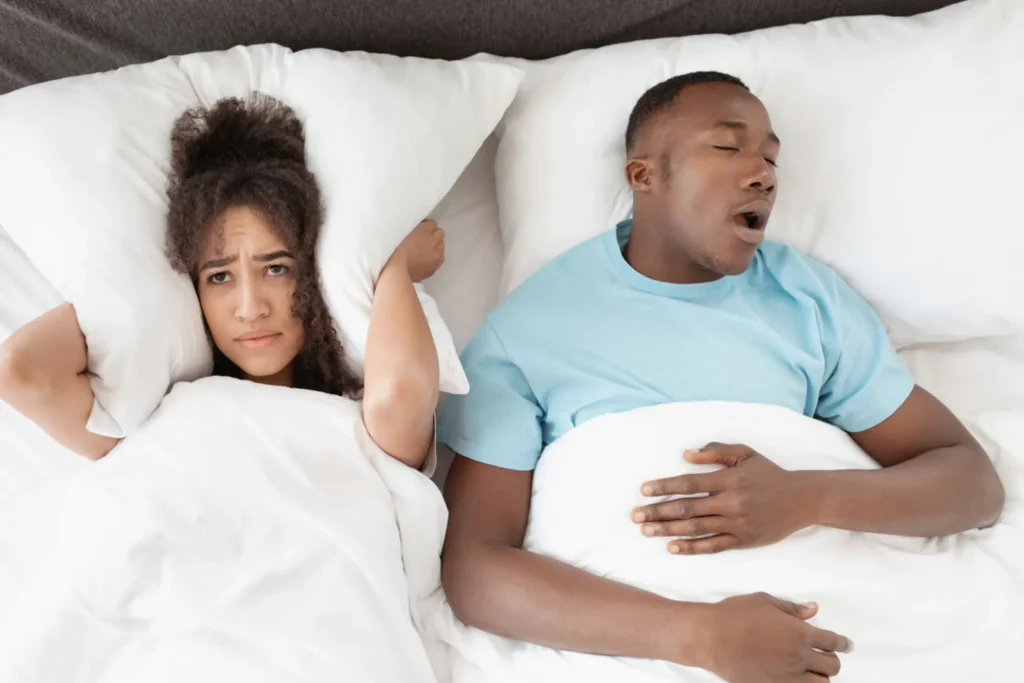
At the same time, researchers are still testing new anti-snoring tech in clinical settings. If you want a quick, budget-aware path, start with the basics, then choose one tool that matches your situation instead of chasing every trend.
Decision guide: If…then… pick your next move
If your snoring is mostly on your back, then try position + a mouthpiece path
Back-sleeping often makes the airway more collapsible. Before you spend money, run two simple checks for a few nights: sleep on your side and reduce pillow “neck crunch.”
If side-sleeping helps but doesn’t fully solve it, a jaw-positioning mouthpiece can be a reasonable next step. It’s designed to support airflow by keeping the lower jaw from drifting back.
If your snoring spikes after drinks, late meals, or brutal workweeks, then fix the trigger first
This is the “burnout plus travel” pattern. Late nights, alcohol close to bed, and irregular sleep timing can all worsen snoring and make you feel wrecked the next day.
Try tightening the basics for a week: earlier cutoff for alcohol, lighter late meals, consistent sleep window. If snoring persists, consider an anti-snoring mouthpiece as your single add-on rather than stacking gadgets.
If you wake with dry mouth or your partner hears mouth-breathing, then consider a combo approach
Mouth-breathing can make snoring louder and sleep feel less refreshing. Some people do better when the mouth stays closed and airflow stays nasal.
In that case, a mouthpiece plus a supportive add-on can be practical. Example: a anti snoring mouthpiece may help reduce open-mouth sleep for certain sleepers. Comfort matters here. If it feels restrictive, don’t force it.
If your nose is blocked most nights, then don’t expect a mouthpiece to do all the work
Congestion can turn quiet breathing into loud turbulence. A mouthpiece may still help some people, but results are hit-or-miss if nasal airflow is the main bottleneck.
Start with practical, low-cost steps: address allergies, bedroom air dryness, and obvious irritants. If snoring continues, choose one device path and test it consistently for 1–2 weeks.
If your snoring is loud, chronic, and paired with “scary” symptoms, then get screened
Snoring can be a sign of sleep-disordered breathing. If you or your partner notices choking/gasping, breathing pauses, chest pounding at night, or severe daytime sleepiness, don’t DIY your way past it.
Schedule a clinical conversation and ask about sleep testing options. You can still use practical tools, but safety comes first.
So why are mouthpieces everywhere right now?
Because they’re tangible. You can order one, try it at home, and get feedback fast—either the room gets quieter, or it doesn’t. That’s appealing when everyone’s stressed, traveling more, and trying to protect sleep like it’s a bank account.
Also, the research pipeline keeps moving. If you want a broad, non-technical overview of what’s being explored, see this related coverage: New clinical trial will test innovative anti-snoring device to tackle sleep disruption.
Quick buying filter (so you don’t waste a cycle)
- Choose the simplest match: jaw-positioning devices for jaw/tongue-related snoring; avoid “kitchen sink” solutions first.
- Plan an adaptation window: give it several nights. Discomfort that worsens is a stop sign.
- Track one outcome: partner-reported loudness or your own morning refreshment. Don’t drown in app metrics.
- Respect your teeth and jaw: if you have TMJ issues or dental concerns, get guidance before committing.
FAQs (fast answers)
Do anti-snoring mouthpieces work for everyone?
No. They’re best suited when airway narrowing is related to jaw/tongue position. Other causes may need different approaches.
What’s the difference between a mouthguard and an anti-snoring mouthpiece?
A mouthguard mainly protects teeth. An anti-snoring mouthpiece is designed to change airflow by repositioning the jaw or stabilizing the tongue.
How fast will I notice a difference?
Some people notice changes quickly. Others need a week or two to adapt, especially with adjustable designs.
Is snoring always a health problem?
Not always, but it can be a warning sign. If you have breathing pauses, gasping, or major daytime sleepiness, get checked.
CTA: pick one move and test it consistently
If you want a practical, at-home option to try without building a “sleep gadget drawer,” start with a mouthpiece approach and measure results over 1–2 weeks.
How do anti-snoring mouthpieces work?
Medical disclaimer: This article is for general education and does not provide medical advice. Snoring can be linked to sleep apnea and other conditions. If you have choking/gasping, breathing pauses, chest pain, severe daytime sleepiness, or concerns about heart health, talk with a qualified clinician.