
- Start cheap: sleep position, nasal airflow, and bedtime habits can cut snoring fast.
- If your partner is complaining, you’re not alone: “sleep divorce” jokes and gadget experiments are everywhere right now.
- An anti snoring mouthpiece is a practical middle step: often less costly than many recurring “sleep tech” subscriptions.
- Travel and burnout are snore multipliers: fatigue, back-sleeping, and dry air can turn mild snoring into a nightly soundtrack.
- Know the red flags: pauses in breathing, choking, or heavy daytime sleepiness deserve medical attention.
Snoring is having a moment in the culture. People are testing wearables, taping hacks, smart pillows, and every gadget that promises a quieter night. The vibe is equal parts hopeful and exhausted—especially when work stress is high, travel is frequent, and partners are negotiating who gets the “good” side of the bed.
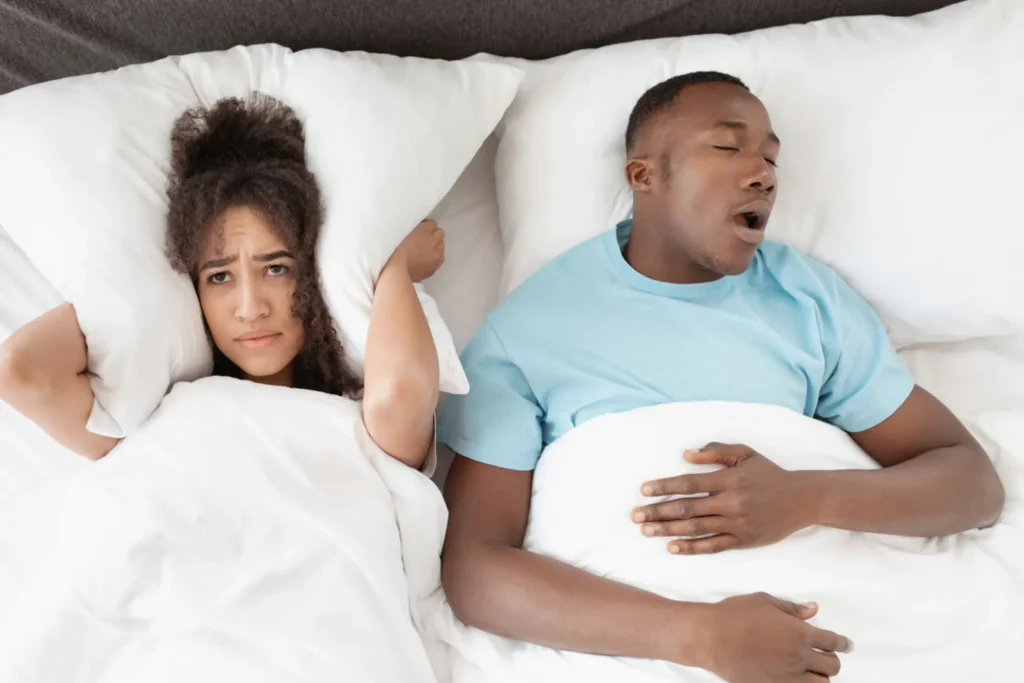
This guide keeps it simple. Use it as a decision path so you don’t burn a month (or a paycheck) chasing fixes that don’t match your snoring style.
First, do a quick reality check (2 minutes)
Snoring is noise from restricted airflow. The “why” matters. A mouthpiece can be a great tool, but it isn’t the right first purchase for every situation.
Watch for red flags before you shop
- Breathing pauses, choking, or gasping during sleep
- Waking with headaches, dry mouth, or a racing heart
- Severe daytime sleepiness or dozing off unintentionally
- High blood pressure or known heart risks alongside loud snoring
If any of these fit, talk with a clinician or a sleep specialist. Snoring can overlap with obstructive sleep apnea, and you want the right plan.
The decision guide: If…then… choose your next move
If snoring spikes after travel, late nights, or a stressful week… then reset the basics
Travel fatigue and workplace burnout can make snoring louder. More back-sleeping, dehydration, and nasal irritation add up quickly.
- Then: prioritize side-sleeping for a week.
- Then: cut alcohol close to bedtime and avoid heavy late meals.
- Then: reduce bedroom dryness (simple humidifier or hydration routine).
These are low-cost, low-effort moves. They also make every other option work better.
If you wake with a dry mouth or your partner says you sleep mouth-open… then focus on airflow and mouth breathing
Mouth breathing often goes with snoring. Congestion, allergies, or a narrow nasal passage can push you into it.
- Then: try nasal support basics (saline rinse, allergy management, or nasal strips if they feel helpful).
- Then: consider a chin strap if your main issue is mouth opening.
- Then: if jaw position seems involved, a mouthpiece may be the better lever.
If snoring is loudest on your back… then use position as your “free mouthpiece”
Back-sleeping can let the jaw and tongue drift in ways that narrow the airway. That’s why snoring can sound like it has a volume knob.
- Then: use a body pillow or positional support to stay on your side.
- Then: reassess in 7–10 nights before buying anything new.
If you’ve tried the basics and you still snore most nights… then an anti-snoring mouthpiece is a sensible next step
Here’s why mouthpieces are getting so much attention in recent coverage: they’re a tangible, at-home tool that doesn’t require charging, syncing, or a monthly app fee. For many people, the appeal is simple—put it in, go to sleep, see what happens.
In general terms, an anti snoring mouthpiece aims to improve airflow by supporting the jaw and/or tongue position. That can reduce vibration in the soft tissues that create snoring noise.
- Then: pick a style that matches your pattern (jaw position vs. mouth opening).
- Then: expect an adjustment period. Comfort often improves over several nights.
- Then: stop if you develop significant jaw pain, tooth pain, or bite changes, and get dental guidance.
How to choose without overspending
Sleep trends move fast. One week it’s a new wearable score. The next week it’s a “smart” pillow. If your goal is quieter sleep on a budget, buy based on function, not hype.
Match the tool to the problem
- Main issue: jaw/tongue position → consider a mouthpiece designed for snoring.
- Main issue: mouth falls open → consider a chin strap, or a combo approach.
- Main issue: nasal blockage → address congestion first; a mouthpiece won’t fix a blocked nose.
Look for “boring” signals that matter
- Clear fit/adjustment instructions
- Materials and care guidance you can actually follow
- A realistic comfort story (not “perfect from minute one” for everyone)
Two links worth using while you decide
If you want a quick scan of what people are discussing in mainstream coverage, see this roundup-style reference: Good news: You can stop your snoring. Here’s what to do first..
If you’re leaning toward a practical, combo option that targets mouth opening and oral positioning in one setup, review this: anti snoring mouthpiece.
FAQ: quick answers people ask before buying
Will a mouthpiece stop snoring on the first night?
Some people notice improvement quickly, while others need an adjustment period. Fit, comfort, and the cause of snoring all affect timing.
Is snoring just “annoying,” or does it affect sleep quality?
Even when it’s not a medical emergency, snoring can fragment sleep for the snorer and the partner. That can show up as grogginess, irritability, and lower focus.
What if my partner is the one who snores?
Start with teamwork. Track patterns (back-sleeping, alcohol, congestion, travel). Then pick one change at a time so you know what helped.
Can I use an anti-snoring mouthpiece if I have dental work?
It depends on your teeth, gums, and any appliances you wear. If you have crowns, implants, braces, or TMJ history, get dental advice first.
CTA: pick the next step you’ll actually do tonight
Don’t build a “sleep gadget graveyard.” Choose one branch from the guide, run it for 7–10 nights, and reassess. If the basics didn’t move the needle, a mouthpiece is a reasonable next try for many snoring patterns.
How do anti-snoring mouthpieces work?
Medical disclaimer: This article is for general education and does not provide medical advice or a diagnosis. If you have symptoms suggestive of sleep apnea (breathing pauses, gasping, severe daytime sleepiness) or persistent pain with any device, consult a qualified healthcare professional.