
Five quick takeaways (no fluff):
- Snoring “hacks” are trending again—mouth tape, apps, wearables, and gadgety sleep routines.
- Better sleep quality comes from steady airflow, not viral tricks.
- An anti snoring mouthpiece can be a practical, budget-friendly trial for the right kind of snoring.
- If you suspect sleep apnea, don’t DIY it—get evaluated.
- The cheapest win is often basics: side-sleeping, nasal support, and consistent sleep timing.
What’s trending: sleep “biohacks,” travel fatigue, and couple comedy
Sleep is having a moment. People are swapping tips in group chats, comparing sleep scores, and testing gadgets like they’re reviewing headphones. Mouth taping has also popped up in headlines lately, framed as a simple way to encourage nasal breathing.
It makes sense culturally. Travel fatigue is real, workplace burnout is loud, and nobody wants their partner to record their snoring as a joke (until it ends up being the motivation to finally fix it).
If you’re curious about the broader conversation around mouth taping, here’s a recent reference point: Can taping your mouth shut improve your sleep? New study reveals.
What matters medically: snoring vs. disrupted breathing
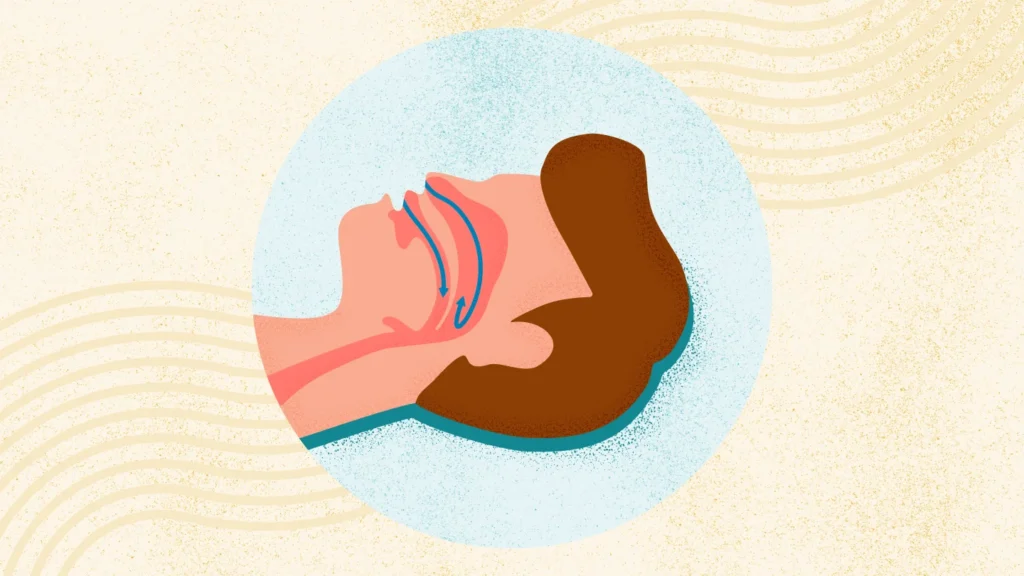
Snoring is noise from vibration in the upper airway. It often shows up when airflow narrows during sleep. That narrowing can happen for everyday reasons like sleeping on your back, nasal congestion, alcohol close to bedtime, or jaw/tongue position.
Sometimes, though, snoring is part of a bigger problem: obstructive sleep apnea. That’s when breathing repeatedly reduces or stops during sleep. Sleep quality drops, and daytime functioning can take a hit.
Red flags you shouldn’t ignore
- Breathing pauses noticed by a partner
- Choking, gasping, or waking up panicky
- Strong daytime sleepiness or morning headaches
- High blood pressure or heart risk factors (talk to a clinician)
Medical note: This article is educational and not medical advice. It can’t diagnose sleep apnea or replace care from a licensed clinician.
How to try at home (without wasting a cycle)
If your goal is to improve sleep quality quickly and cheaply, run a short “home trial” in layers. Change one variable at a time so you know what helped.
Step 1: Fix the easy airflow blockers
- Side-sleep test: Try side sleeping for a week. Back sleeping often worsens snoring.
- Nasal check: If you’re stuffed up, focus on nasal breathing support (saline rinse, humidity, or nasal strips if they help you).
- Timing: Avoid alcohol close to bedtime if snoring spikes after it.
Step 2: Consider the “mouth tape” trend carefully
Mouth taping is being discussed as a way to keep the mouth closed and encourage nasal breathing. That’s the theory. In real life, it’s not a universal fit. If your nose is congested, taping can feel uncomfortable or unsafe.
If you’re tempted to try it, treat it like a cautious experiment. Stop immediately if breathing feels restricted, you feel anxious, or you suspect apnea.
Step 3: Trial an anti-snoring mouthpiece (practical option)
If your snoring seems tied to jaw position or sleeping on your back, an anti snoring mouthpiece may be worth a short trial. Many designs aim to keep the lower jaw slightly forward or help stabilize the tongue so the airway stays more open.
The budget lens: a mouthpiece can be a straightforward “try it and measure it” tool. Track outcomes for 10–14 nights: snoring volume (partner feedback), awakenings, dry mouth, and how you feel in the morning.
If you’re comparing choices, start here: anti snoring mouthpiece.
How to tell if it’s helping
- Your partner reports fewer wake-ups or less intense snoring
- You wake up less often and feel more refreshed
- Less sore throat or dry mouth (though some people get temporary dryness early)
If pain, jaw clicking, or tooth discomfort ramps up, pause and consider a different fit or professional guidance.
When to seek help: don’t DIY the serious stuff
Get medical advice if snoring comes with choking/gasping, witnessed breathing pauses, or heavy daytime sleepiness. Also talk to a clinician if you have significant cardiovascular risks or your snoring changed suddenly.
Why: the right next step may be a sleep evaluation rather than another gadget. That can save money and protect your long-term sleep health.
FAQ: quick answers people want right now
Can a mouthpiece improve sleep quality?
It can, if it reduces snoring and micro-awakenings. Better airflow often means fewer disruptions and more restorative sleep.
Is loud snoring always a problem?
Not always, but it’s a signal. If it’s frequent, disruptive, or paired with apnea symptoms, it deserves attention.
What if snoring is worse during travel?
Travel can worsen congestion, dehydration, and back-sleeping. Try hydration, nasal support, and a consistent wind-down routine. A mouthpiece can be a portable option for some people.
CTA: get a simple answer before you buy another gadget
If you’re tired of testing trends and want a practical starting point, begin with the basics and then consider a mouthpiece trial.
How do anti-snoring mouthpieces work?
Medical disclaimer: This content is for general education only and does not provide medical diagnosis or treatment. If you think you may have sleep apnea or another sleep disorder, consult a qualified healthcare professional.