
- Snoring is trending again because wearables, sleep scores, and “biohacking” culture turned bedtime into a performance metric.
- Your nose matters: when nasal breathing is easier, mouth breathing often drops—and snoring may calm down.
- An anti snoring mouthpiece can be a practical middle step between “try a pillow” and “book a sleep lab.”
- Comfort and setup decide success: fit, jaw position, and saliva/dryness management are the real make-or-break factors.
- Don’t ignore red flags: loud snoring plus choking/gasping or heavy daytime sleepiness deserves medical attention.
Sleep talk is everywhere right now—new gadgets, new rules, new “overnight” fixes. Add travel fatigue, workplace burnout, and the classic relationship joke (“you sound like a leaf blower”), and it’s no wonder people are searching for something that actually helps. Let’s sort the noise from the useful.
First: what snoring is (in plain English)
Snoring usually happens when airflow meets relaxed tissue in the throat and creates vibration. Mouth breathing can make that vibration more likely for some people. So can sleeping on your back, alcohol near bedtime, or nasal congestion.
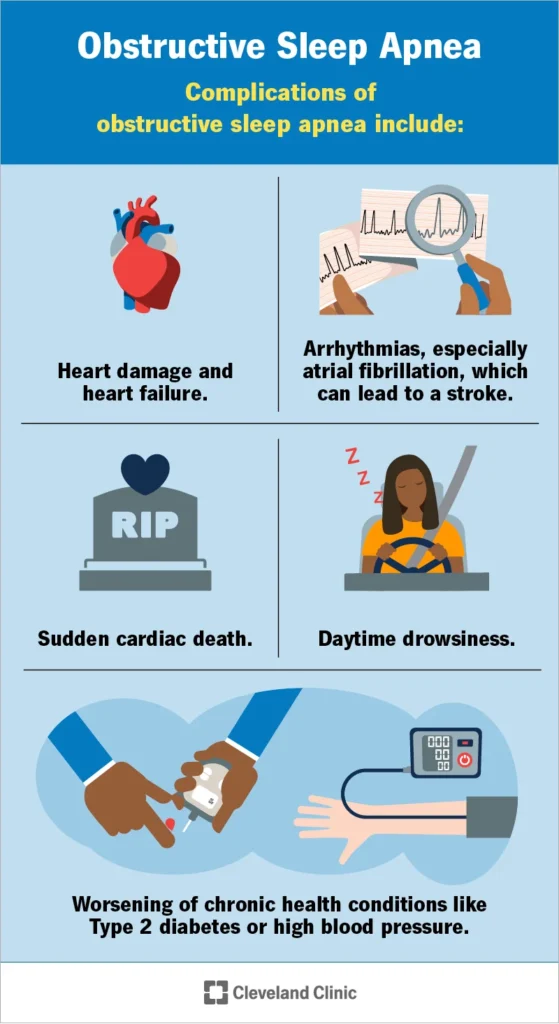
Not all snoring is the same. Some snoring is occasional and situational. Other snoring can be a sign of obstructive sleep apnea (OSA), which needs clinician-led evaluation and treatment.
Decision guide: If…then… pick your next move
Use this as a quick routing tool. You can try more than one branch, but don’t change five variables at once. That makes it hard to know what worked.
If your nose feels blocked most nights… then start with nasal basics
Recent sleep coverage has highlighted the nose as a performance lever—because easier nasal airflow can support steadier breathing at night. If you’re stuffy, dry, or you wake with a dry mouth, begin here.
- Then try: gentle saline rinse or saline spray, humidity tweaks, and allergy-trigger control.
- Why it helps: less resistance can reduce mouth breathing and noisy airflow.
- Keep it realistic: nasal care can help some people, but it won’t fix every cause of snoring.
If you want a general news reference on the nose-and-performance conversation, see this: Could Your Nose Be Key to Better Performance?.
If you mostly snore on your back… then change positioning first
Travel fatigue and hotel pillows can push people into back-sleeping. That’s prime snore territory for many sleepers.
- Then try: side-sleep support (body pillow, backpack trick, or a pillow that discourages rolling).
- Quick test: ask a partner to note whether snoring drops when you’re on your side.
- Bonus: positioning is low cost and pairs well with other approaches.
If your partner says the sound is “throat-based”… then consider a mouthpiece
When snoring seems to come from relaxed throat tissues, jaw position becomes relevant. That’s where an anti snoring mouthpiece can be useful. It’s also why new anti-snoring devices keep showing up in clinical trials and product launches—people want something that doesn’t require a full bedroom remodel.
- Then try: a mouthpiece designed to reduce snoring by supporting jaw/tongue position.
- Set expectations: it’s not a cure-all, and comfort matters as much as “power.”
- Good sign: snoring decreases and you wake up feeling less fragmented.
If you’re shopping and want a starting point, see anti snoring mouthpiece.
If you’re chasing “better sleep quality,” not just quiet… then track the right signals
Sleep trends love a simple score, but your body cares about consistency. Some headlines talk about sleep “rules” and longevity. The useful takeaway is simpler: stable sleep schedules and fewer awakenings tend to beat marathon time-in-bed.
- Then watch: morning energy, fewer wake-ups, and less dry mouth.
- Don’t overdo it: staying in bed longer can backfire for some people if it fragments sleep.
- Workplace burnout angle: if you’re exhausted all day, don’t assume it’s “just stress.” Poor sleep breathing can pile on.
If you notice red flags… then skip DIY and talk to a clinician
Snoring plus gasping, choking, long pauses, or heavy daytime sleepiness can signal sleep apnea. Articles about “starting tonight” sleep-apnea management often focus on practical steps, but evaluation is the key step if symptoms suggest OSA.
- Then do this: request a sleep evaluation through your healthcare provider.
- Why: OSA affects more than relationships—it can affect health and safety.
Anti-snoring mouthpiece basics: ICI setup (In-Comfort-In-Cleanup)
This is the part most people skip. It’s also why some mouthpieces end up in a drawer.
1) In: getting the fit right
- Start gentle. A “more forward” jaw position isn’t always better on night one.
- Use a mirror. Make sure it seats evenly and doesn’t twist your bite.
- Give it a runway. Aim for several nights of consistent use before judging.
2) Comfort: reduce the two common deal-breakers
- Jaw soreness: back off intensity if possible and ramp gradually.
- Dryness or drooling: both can happen early. Room humidity and hydration habits can help.
3) Cleanup: keep it simple so you’ll actually do it
- Rinse daily and brush lightly with a soft toothbrush.
- Air-dry fully before storing to reduce odor buildup.
- Avoid heat unless the manufacturer says it’s safe.
Relationship + real life: making it work when you share a bed
Snoring is a couples issue before it’s a solo project. A mouthpiece can reduce the nightly “nudge, roll over, please” loop. It also helps to agree on a two-week trial window, so neither person expects perfection on night two.
If travel is the trigger, pack your solution. Hotel air is often dry, schedules are off, and fatigue is high. That combo can make snoring louder than usual.
FAQ: quick answers
Medical note: This article is for general education and does not replace medical advice. If you suspect sleep apnea or have persistent sleep disruption, talk with a qualified clinician.
Next step
If your snoring seems position- or jaw-related and you want a practical tool to test, a mouthpiece is often a reasonable next experiment—especially when paired with nasal basics and side-sleep support.