
Snoring is having a moment online. Not the cute kind.
Between sleep gadgets, “biohacks,” and relationship jokes about separate bedrooms, a lot of people are trying anything that promises a quieter night.
Thesis: Skip the risky fads and use a practical, budget-first plan—start with sleep basics, then consider an anti snoring mouthpiece if it fits your pattern.
What people are trying right now (and why it’s everywhere)
Sleep trends move fast. One week it’s a new wearable score. Next week it’s a nighttime hack that spreads through short videos and group chats.
Recently, mouth-taping has been one of the loudest ideas in the room. You’ve probably seen it framed as a simple way to “force” nasal breathing. But headlines have also highlighted experts urging caution, especially for people who may have breathing issues during sleep.
At the same time, the market is leaning into connected care. New oral appliances and sleep tech are being positioned as part of a bigger ecosystem of tracking and treatment. That’s exciting. It can also be expensive, confusing, and easy to overbuy.
And then there’s real life: travel fatigue, late-night emails, and burnout. When you’re exhausted, you want a quick fix. Your partner wants one too.
If you’re curious about the broader conversation around mouth taping, see this related coverage: Scientists warn against viral nighttime mouth-taping trend.
What matters for sleep health (the medical-adjacent reality check)
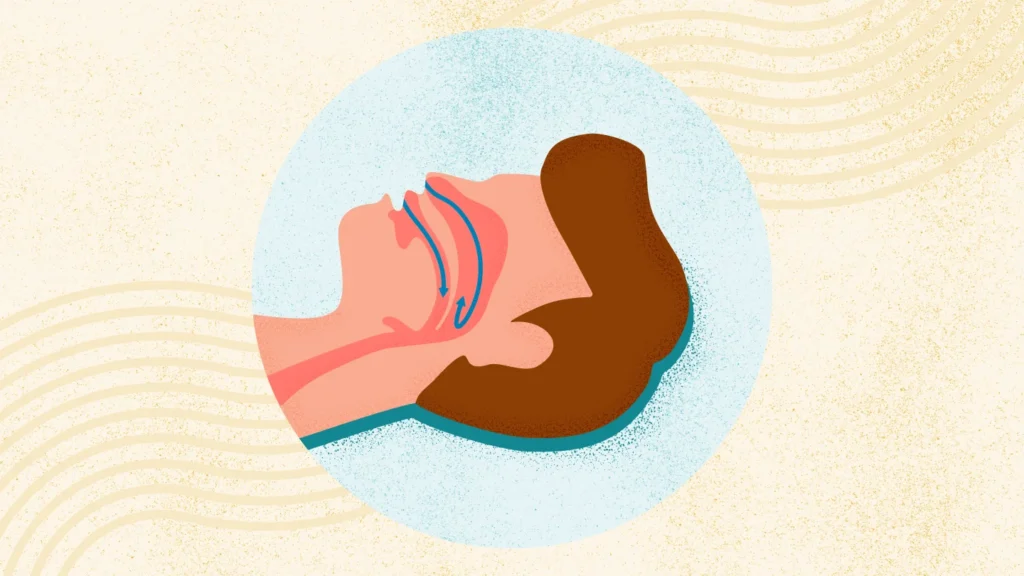
Snoring isn’t just “annoying sound.” It often signals airflow resistance somewhere between your nose and throat.
Sometimes it’s situational. Alcohol, back-sleeping, congestion, and weight changes can all make snoring flare up. Travel can do it too, especially after red-eye flights or when you’re sleeping in a new position.
Other times, snoring can sit next to a bigger issue: obstructive sleep apnea. That’s when breathing repeatedly pauses or becomes shallow during sleep. Common warning signs include loud habitual snoring, choking or gasping, daytime sleepiness, morning headaches, and a partner noticing breathing pauses.
Important: A mouthpiece can help simple snoring for some people. It is not a substitute for medical evaluation if sleep apnea is possible.
What you can try at home (without wasting a cycle)
This is the budget/practical lane: try the low-cost moves first, then upgrade if your pattern suggests it.
1) Run a quick “snore pattern” check
For one week, track three things in plain notes: sleep position, alcohol timing, and nasal congestion. Add a simple “snore rating” from your partner or a basic audio recording app.
You’re looking for patterns, not perfection. If snoring spikes on back-sleep nights, that’s actionable. If it’s constant and severe, that’s a different path.
2) Fix the easy airflow blockers
Try nasal support if you’re stuffy. Consider a saline rinse or a shower before bed. Keep the bedroom air from getting too dry if that’s a trigger for you.
Also tighten the “late-night stack”: alcohol close to bedtime, heavy meals, and sedating sleep aids can relax airway tissues for some people.
3) Consider an anti snoring mouthpiece if your snoring seems position-related
An anti snoring mouthpiece generally aims to keep the lower jaw and/or tongue from collapsing backward during sleep. That can reduce vibration and noise for certain snoring patterns.
People often look for a mouthpiece when:
- Snoring is worse on your back.
- Your partner reports fewer snores when your jaw is slightly forward.
- You wake with a dry mouth and suspect open-mouth sleeping (without forcing your mouth shut).
If you want a simple product option to evaluate at home, you can look at this anti snoring mouthpiece.
4) Use a comfort-first ramp-up
Don’t go from zero to eight hours on night one. Wear it briefly while reading or watching TV to get used to the feel.
Stop and reassess if you develop sharp jaw pain, tooth pain, or worsening sleep. Mild adjustment is common. Significant pain is not a “push through it” situation.
When it’s time to get help (don’t DIY these red flags)
Book a medical evaluation if any of these are true:
- Someone notices breathing pauses, choking, or gasping during sleep.
- You’re sleepy during the day despite enough time in bed.
- You wake with morning headaches, a racing heart, or frequent nighttime urination.
- You have high blood pressure or other cardiometabolic risks plus loud snoring.
Also get guidance if you’re tempted by restrictive viral hacks (like sealing the mouth) because you “can’t breathe through your nose.” That’s a sign to address nasal obstruction and rule out sleep-disordered breathing.
FAQ: quick answers before you buy anything
Is snoring always a problem?
Not always. Occasional snoring can happen with congestion or fatigue. Persistent loud snoring deserves attention because it can disrupt sleep quality and sometimes overlaps with sleep apnea.
Will a mouthpiece improve sleep quality?
If your snoring drops, sleep can feel more restorative for you and your partner. The best signal is fewer awakenings and less daytime sleepiness over a couple of weeks.
What if my snoring is mostly from my nose?
Then nasal strategies may matter more than a jaw-forward device. Many people have a mixed picture, so start with congestion control and position changes first.
Do I need a “connected” device to solve snoring?
No. Tracking can be useful, but you can make meaningful progress with simple notes, consistent sleep timing, and a targeted intervention like a mouthpiece if appropriate.
Next step: get the basics right, then choose one tool
Snoring doesn’t need a drawer full of gadgets. Pick one change, test it for two weeks, and keep what works.
How do anti-snoring mouthpieces work?
Medical disclaimer: This article is for general education only and is not medical advice. It does not diagnose, treat, or replace care from a licensed clinician. If you suspect sleep apnea or have concerning symptoms, seek medical evaluation.