
Before you try another snoring fix, run this quick checklist:
- Is it just noise—or lost sleep? Track how you feel at 2 p.m., not just how loud the room gets at 2 a.m.
- Any red flags? Pauses in breathing, gasping, morning headaches, or heavy daytime sleepiness matter more than decibel levels.
- What’s your “snore stack”? Travel fatigue, alcohol, allergies, back-sleeping, and stress can pile up in the same week.
- Do you want a low-effort test first? A practical at-home plan can save money before you buy every sleep gadget on your feed.
What people are talking about right now (and why)
Sleep is having a moment. You see it in the “10-3-2-1-0” style routines, in the wave of new trackers, and in the way burnout conversations keep circling back to recovery. Even relationship humor is sleep-adjacent: one person wants silence, the other wants to breathe, and both want to wake up functional.
At the same time, headlines about obstructive sleep apnea (OSA) and long-term brain health have pushed snoring into a more serious category. The takeaway isn’t panic. It’s perspective: if snoring is paired with signs of disrupted breathing, it’s worth evaluating instead of just masking the sound.
If you want a general starting point on that broader conversation, see this Preventing Alzheimer’s disease and dementia by treating obstructive sleep apnea.
What matters medically (without overcomplicating it)
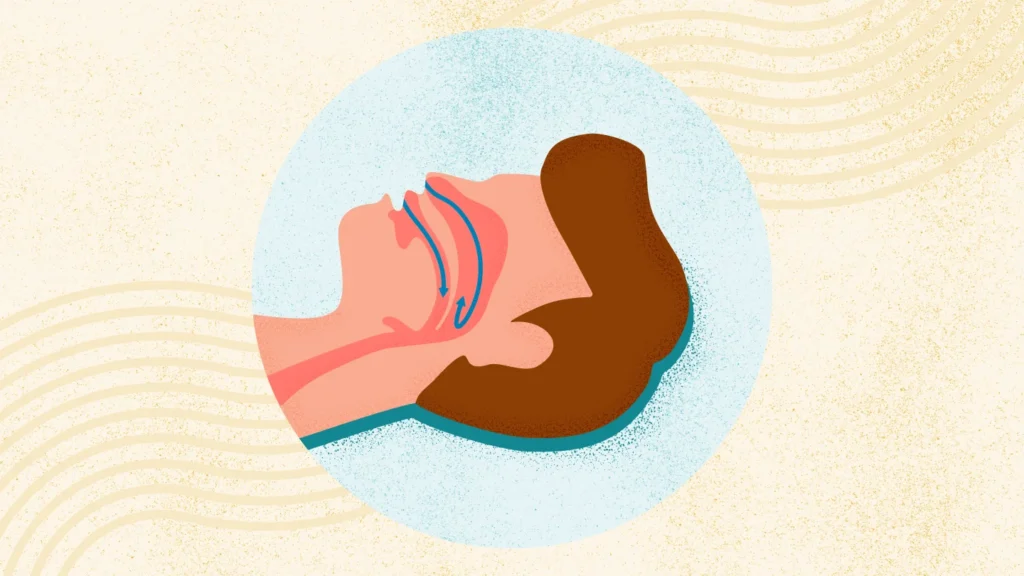
Snoring usually happens when airflow gets turbulent and soft tissues vibrate. Sometimes it’s mostly an annoyance. Other times, it’s a clue that the airway is narrowing too much during sleep.
OSA is the big term you’ll hear. It involves repeated airway collapse that can fragment sleep and lower oxygen levels. You can’t confirm OSA from a meme, a smartwatch score, or your partner’s impressions alone. A clinician or a sleep test is the usual path when symptoms point that direction.
Common signs your snoring may be more than “just snoring”
- Witnessed pauses in breathing, choking, or gasping
- Strong daytime sleepiness (dozing off easily, drowsy driving risk)
- Morning headaches or dry mouth that won’t quit
- High blood pressure or heart/metabolic concerns (talk to your clinician)
- Snoring that’s loud, persistent, and getting worse
Medical note: snoring can also overlap with nasal congestion, reflux, or medication effects. If you’re unsure, that’s a good reason to ask questions rather than guess.
How to try at home (a practical, budget-first plan)
If your goal is better sleep quality without wasting a month (or a paycheck), test changes in a simple order. Keep it boring. Boring works.
Step 1: Reduce the easy “snore multipliers” for 7 nights
- Side-sleeping: Back-sleeping often makes snoring worse. Try a body pillow or a backpack-style deterrent.
- Alcohol timing: Many people snore more after evening drinks. Test a week without it or move it earlier.
- Nasal airflow: If you’re stuffed up, address the congestion in a safe way for you (saline rinse, humidity, allergy plan you’ve used before).
- Sleep schedule: Travel fatigue and late nights can deepen sleep in ways that increase snoring. Aim for consistency.
Don’t try ten interventions at once. If everything changes, you learn nothing.
Step 2: Consider an anti snoring mouthpiece if the pattern fits
An anti snoring mouthpiece is often designed to reposition the lower jaw and/or support the tongue so the airway stays more open. It’s a common next step when snoring seems posture-related and you want a non-electronic option that doesn’t require a whole bedside setup.
People like mouthpieces because they’re portable. That matters if you’re dealing with hotel pillows, redeye flights, and the “why am I exhausted at noon?” workweek loop.
If you want a combined approach, you can look at an anti snoring mouthpiece. The idea is simple: keep the mouthpiece in place and discourage mouth-opening that can worsen dryness and noise for some sleepers.
Step 3: Run a two-week experiment (and measure the right outcomes)
- Track morning energy: Rate it 1–10. Sleep quality shows up in your day.
- Track awakenings: Count how often you wake up fully.
- Ask for one data point from your partner: “Better / same / worse” is enough. Avoid nightly debates.
- Watch comfort: Mild adjustment is common. Ongoing jaw pain isn’t a badge of honor.
When to stop DIY and get checked
Home trials are fine for simple snoring. They’re not a substitute for evaluation if symptoms suggest OSA or another sleep disorder.
Make an appointment if you notice any of these
- Breathing pauses, gasping, or choking during sleep
- Severe daytime sleepiness, especially if you could fall asleep while driving
- High blood pressure that’s hard to control, or new heart/metabolic concerns
- Mouthpiece use triggers persistent jaw pain, tooth discomfort, or bite changes
If you’re preparing for that visit, it helps to bring specifics: what time you sleep, how often you wake, and whether anyone has noticed breathing pauses. Many “top questions to ask” lists about OSA treatment focus on options, comfort, and follow-up—because real-life adherence matters.
FAQ: quick answers about mouthpieces, snoring, and sleep health
Do sleep trackers prove I have sleep apnea?
They can hint at patterns, but they don’t diagnose OSA. Use them to spot trends, then talk to a clinician if red flags show up.
Will a mouthpiece fix snoring caused by a cold?
It may not. Temporary congestion often needs airflow support first. Re-test once you’re back to baseline.
Is snoring always a weight issue?
No. Weight can play a role, but so can jaw shape, nasal blockage, sleep position, alcohol, and fatigue.
Next step: pick one change you’ll actually do tonight
If you want the simplest plan: reduce the obvious triggers for a week, then test a mouthpiece for two weeks while tracking daytime energy. That approach keeps you from cycling through expensive gadgets without learning what works.
How do anti-snoring mouthpieces work?
Medical disclaimer: This article is for general education only and is not medical advice. Snoring can have many causes, and obstructive sleep apnea is a medical condition that requires proper evaluation. If you have breathing pauses, choking/gasping, severe daytime sleepiness, or other concerning symptoms, seek care from a qualified clinician.