
Q: Why am I still wiped out after 8 hours?
Q: Is my snoring just annoying, or is it messing with my sleep quality?
Q: Can an anti snoring mouthpiece help without turning my bedroom into a gadget lab?
A: Sometimes your “8 hours” isn’t the same as 8 hours of solid, restorative sleep. Snoring can fragment sleep, and the next-day fog can show up as low energy, irritability, or that mid-afternoon crash that makes workplace burnout feel even worse. A mouthpiece can be a practical tool for the right person, especially when you combine it with smart timing, comfort tweaks, and basic cleanup.
Overview: why snoring is trending again (and not just as a joke)
Sleep is having a moment. People compare rings, apps, and smart alarms the way they used to compare step counts. Travel fatigue is also back in the conversation, and hotel pillows plus time changes can make snoring louder and mornings rougher.
Meanwhile, relationship humor about “who sounds like a lawnmower” is everywhere for a reason: snoring affects two people. It can push couples into separate rooms, or at least into a nightly negotiation about earplugs, white noise, and who gets the “good” side of the bed.
Snoring can also be a sign of something more serious for some people. If you’re curious about broader causes of persistent fatigue, this We Asked a Doctor What to Do If You’re Still Tired After 8 Hours of Sleep discussion captures what many people are asking right now.
Timing: when to try a mouthpiece (and when not to)
If snoring is frequent, your sleep feels “light,” or your partner reports you’re noisy most nights, a mouthpiece can be worth a trial. It’s often used when snoring seems tied to jaw position, back sleeping, or relaxed airway tissues.
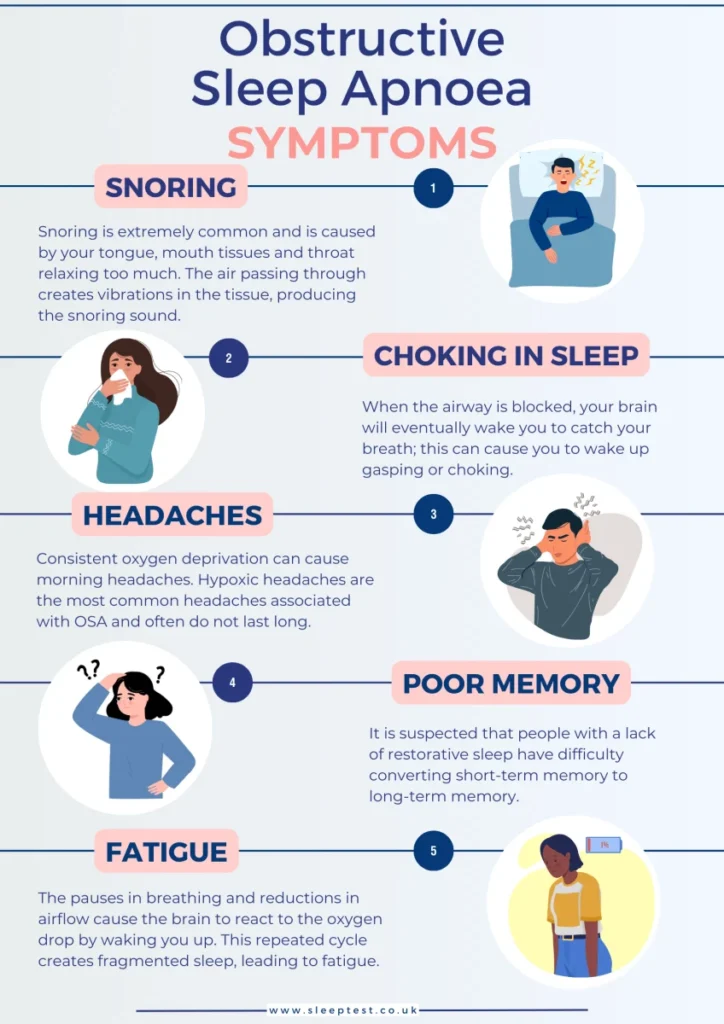
Skip self-experimenting if you have red flags. Get checked if anyone notices breathing pauses, you wake up choking or gasping, or you feel dangerously sleepy during the day. Those can be signs of sleep apnea, which needs proper evaluation.
Also consider timing around life stress. If you’re in peak workload mode, start on a weekend. New sleep tools can take a few nights to feel normal, and you don’t need “one more thing” on a Monday.
Supplies: what you need for a smoother first week
- Your mouthpiece (follow its instructions closely).
- A small case with ventilation for daytime storage.
- Soft toothbrush + mild soap (or the cleaner recommended by the manufacturer).
- Optional comfort helpers: nasal strips, a humidifier, or saline spray if you get dry or stuffy at night.
If you’re shopping, start here: anti snoring mouthpiece. Focus on comfort, fit style, and how easy it is to clean.
Step-by-step (ICI): Insert → Comfort-check → Improve & clean
This is the simple routine that makes mouthpieces more tolerable and more consistent. Think “ICI” rather than “set it and forget it.”
1) Insert: set your starting position
Place the mouthpiece as directed so it seats fully. If it’s an adjustable mandibular advancement device (MAD), start conservatively. More forward isn’t automatically better, especially on night one.
Before you fall asleep, do a quick test: close your lips, breathe through your nose, and relax your tongue. If you feel like you’re fighting the device, stop and reassess the fit.
2) Comfort-check: reduce friction, pressure, and panic
Comfort drives adherence. If you hate it, you won’t wear it, and nothing works from the nightstand.
- Jaw tension: keep your teeth slightly apart and let your jaw hang heavy for a few breaths.
- Dry mouth: consider a humidifier or address nasal congestion so you can keep lips closed.
- Gaggy feeling: practice wearing it for 15–30 minutes while winding down (reading, stretching, light TV).
Also, don’t ignore your nose. A lot of current performance and wellness talk centers on breathing efficiency. If you’re always blocked up, snoring can be harder to solve with any single tool.
3) Improve & clean: micro-adjust, then reset for tomorrow
If the device allows adjustment, make small changes and give each change a few nights. Big jumps can trigger jaw soreness or headaches.
In the morning, rinse and gently brush the mouthpiece. Let it dry in its case. A clean device is more comfortable, lasts longer, and smells less like “defeated travel bag.”
Mistakes that ruin sleep quality (even with a good mouthpiece)
- Chasing instant perfection. One night isn’t a verdict. Give it a real trial window.
- Over-advancing too fast. More forward positioning can increase discomfort and make you quit.
- Ignoring nasal congestion. If you can’t breathe well through your nose, you’ll default to mouth breathing and dryness.
- Using it with untreated dental issues. Loose teeth, gum problems, or major jaw pain deserve a dental check first.
- Assuming snoring is harmless. Loud, frequent snoring plus daytime sleepiness is worth medical attention.
FAQ: quick answers people ask at 1:00 a.m.
Will a mouthpiece stop snoring completely?
Sometimes, but not always. Many people see meaningful reduction, especially if fit and positioning are dialed in.
Can I use it when traveling?
Yes, and travel is a common time to notice snoring more. Pack the case, keep it clean, and expect a night or two of adjustment after time zone shifts.
What if my partner still hears me?
Combine tools. Side-sleeping support, nasal help, and consistent wear often beat any single “miracle” fix.
CTA: make your next step simple
If your goal is quieter nights and better mornings, focus on a mouthpiece you’ll actually wear, plus a routine you can repeat. Consistency beats novelty, even when sleep gadgets are trending.
How do anti-snoring mouthpieces work?
Medical disclaimer: This article is for general education and is not medical advice. Snoring can have many causes, including sleep apnea. If you have breathing pauses, choking/gasping, chest symptoms, severe daytime sleepiness, or concerns about heart health, seek evaluation from a qualified clinician.