
Is your snoring wrecking sleep quality even when you “do everything right”?
Are sleep trends and gadgets making it feel like you need a whole lab to sleep?
Could an anti snoring mouthpiece be the budget-friendly move that actually changes your nights?
Yes, no, and sometimes. Snoring sits at the intersection of airway anatomy, sleep position, congestion, alcohol, stress, and plain old fatigue. That’s why the current “sleepmaxxing” vibe—borrowed from athlete routines, wearables, and optimization culture—can feel both motivating and exhausting.
If you want a practical plan that doesn’t waste a month, start with the big picture, then narrow down what’s likely driving your noise.
The big picture: why snoring is having a moment
People are talking about sleep like it’s a performance metric. You see it in gadget launches, bedtime “rules,” and the idea that small habits compound into big health gains. You also see it in the less glamorous parts of life: red-eye flights, hotel beds, relationship jokes about “the chainsaw,” and workplace burnout that makes you crash hard but still sleep poorly.
Snoring fits into all of that because it’s immediate feedback. Someone hears it. Someone nudges you. And the next day often feels foggier than it should.
One more reason it’s trending: more people are learning that loud, chronic snoring can overlap with sleep-disordered breathing. For a plain-language overview, see 12 Sleepmaxxing Tips To Steal From Olympians.
The emotional side: snoring isn’t just “noise”
Snoring turns bedtime into a negotiation. The snorer feels embarrassed or defensive. The partner feels ignored, even when nobody did anything “wrong.” That tension can snowball into separate bedrooms, resentment, or a nightly routine of earplugs and sighs.
Add travel fatigue and stress, and you get a perfect storm. The more worn down you are, the more you want sleep to be easy. Snoring makes it the opposite.
So the goal isn’t perfection. It’s getting to a calmer, quieter baseline that both people can live with.
Practical steps first (before you buy anything)
Do these for one week. They’re low-cost and they tell you what category your snoring might be in.
1) Run a quick “snore audit”
Pick two signals to track: (1) partner notes (volume + whether you stop breathing), and (2) how you feel at 2–4 p.m. (alert vs. dragging). Keep it simple. Consistency beats fancy tracking.
2) Change the easy levers
- Position: If you snore mostly on your back, commit to side-sleeping experiments.
- Nasal airflow: Address temporary congestion (dry room, allergies, colds) with basic comfort steps.
- Alcohol timing: If snoring spikes after drinks, move alcohol earlier or reduce it and compare nights.
- Sleep window: Burnout often leads to irregular sleep. A steadier bedtime/wake time can reduce “crash” nights that get noisy.
If these moves help but don’t solve it, you’re in the “needs a targeted tool” zone. That’s where mouthpieces enter the chat.
Where an anti snoring mouthpiece fits (and when it doesn’t)
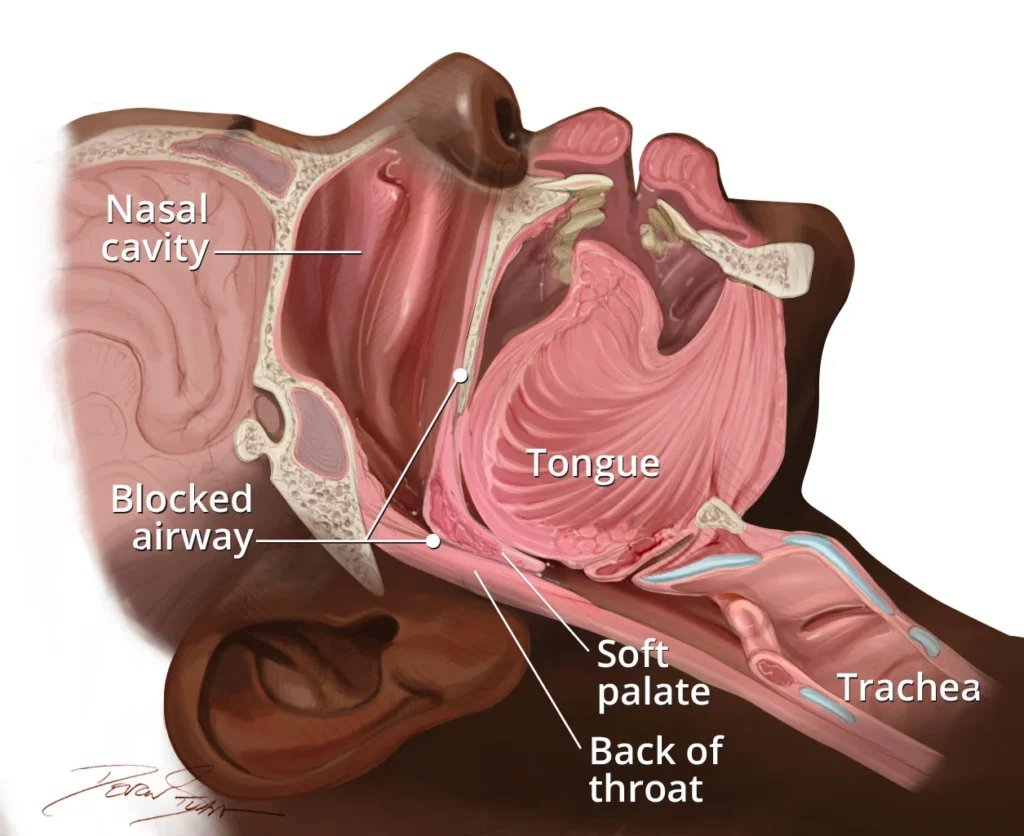
An anti snoring mouthpiece is usually designed to change jaw or tongue position to keep the airway more open during sleep. That can reduce tissue vibration—the thing that makes the sound.
This approach tends to make the most sense when your snoring is position-related, worse with relaxed jaw posture, or happens without major nasal blockage.
It may be less helpful if your main issue is severe congestion, frequent nighttime breathing pauses, or significant daytime sleepiness that suggests a bigger sleep-breathing problem.
If you want to compare options without overthinking it, start with a straightforward product category overview like this: anti snoring mouthpiece.
A no-waste testing plan (budget lens)
Give yourself a short, structured trial. That keeps you from buying three gadgets out of frustration.
Step 1: Define “success” in one sentence
Example: “Snoring drops enough that my partner doesn’t wake me more than once, and I’m less foggy by mid-afternoon.”
Step 2: Use a 14-night scorecard
- Nights 1–3: comfort and fit only (expect adjustment)
- Nights 4–10: track snoring frequency/volume + morning jaw comfort
- Nights 11–14: compare to your baseline week
Keep one variable steady. If you change bedtime, alcohol, and the device all at once, you won’t know what worked.
Step 3: Watch for “hidden wins”
Less snoring is great. Better sleep quality can also look like fewer morning headaches, less dry mouth, and fewer naps that feel mandatory.
Safety and reality checks (don’t skip this part)
Mouthpieces can cause jaw soreness, tooth discomfort, or bite changes in some people. Mild discomfort early on can happen. Persistent pain is not a “push through it” situation.
Also, snoring isn’t always simple snoring. If there are witnessed breathing pauses, choking/gasping, or significant daytime sleepiness, prioritize a medical evaluation. Sleep apnea is a real condition, and it’s worth taking seriously.
Medical disclaimer: This article is for general education and does not provide medical advice, diagnosis, or treatment. If you suspect sleep apnea or have ongoing symptoms, talk with a qualified clinician or dentist for personalized guidance.
FAQ: quick answers people want right now
Do anti-snoring mouthpieces help sleep quality?
They can if snoring is disrupting your sleep stages or waking a partner who then wakes you. Better sleep quality shows up as more consistent energy and fewer nighttime disruptions.
What if my partner says I still snore sometimes?
Occasional snoring can happen with stress, alcohol, or congestion. Focus on whether the overall pattern improves across two weeks, not one random night.
Is “sleepmaxxing” necessary?
No. A few high-impact basics (consistent sleep window, position, and a targeted snoring tool when appropriate) usually beat a pile of gadgets.
CTA: get the simple explanation first
If you want the plain-language breakdown before you decide what to try next, start here: