
Snoring turns bedtime into a negotiation. One person wants silence, the other swears they’re “barely making a sound.”
Meanwhile, sleep gadgets keep trending, travel fatigue is real, and burnout makes every bad night feel twice as loud.
If you want a practical, low-waste way to improve sleep quality, start by matching the tool (like an anti snoring mouthpiece) to the likely reason you’re snoring.
Why is snoring suddenly such a big topic again?
People are talking about sleep more because the stakes feel higher. A rough night doesn’t just mean a yawn. It can mean a foggy meeting, a shorter temper, and a workout you skip.
Add modern life to the mix—late screens, early alarms, and “revenge bedtime procrastination”—and snoring becomes the easiest villain to blame. It’s also the most audible.
Headlines have also reminded people of two important ideas: snoring can have multiple drivers, and you can have a breathing-related sleep problem even if you don’t snore.
What’s the fastest way to figure out what’s behind my snoring?
At-home detective work should be simple and cheap. The goal is not a perfect diagnosis. It’s to spot patterns that help you choose the next step.
Start with pattern clues (no fancy gear required)
- Position: Worse on your back can point to airway narrowing that changes with posture.
- Nasal vs. mouth breathing: Waking with a dry mouth often suggests mouth breathing at night.
- Timing: Snoring that spikes after alcohol, late meals, or allergy flare-ups can be situational.
- Daytime impact: If you’re exhausted despite “enough” hours, the issue may be sleep quality, not just noise.
Don’t ignore red flags
Snoring plus choking/gasping, witnessed breathing pauses, or intense daytime sleepiness deserves medical attention. Recent coverage has emphasized that sleep apnea can show up even without classic loud snoring.
How does an anti snoring mouthpiece help (and who is it for)?
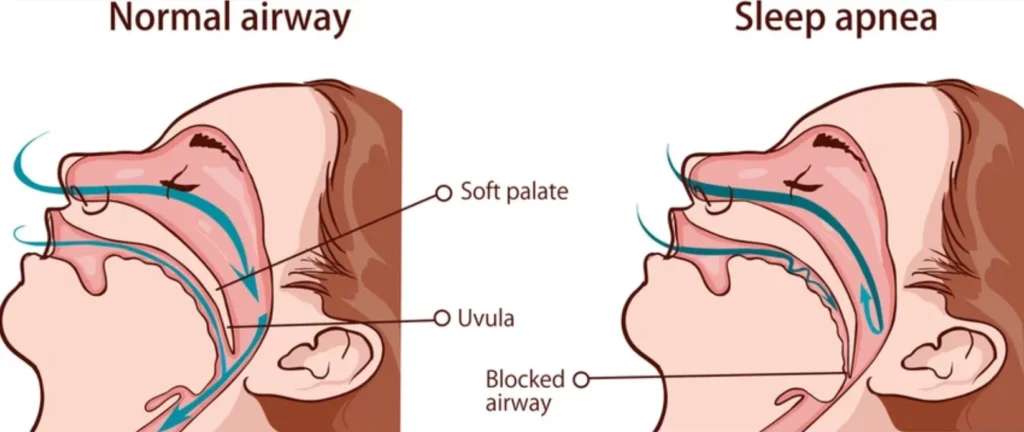
An anti snoring mouthpiece is usually designed to support the jaw and/or tongue so the airway stays more open during sleep. That can reduce vibration and airflow turbulence—the common “snore sound.”
It tends to be most relevant when snoring is tied to mouth breathing, jaw position, or airway narrowing that worsens when muscles relax at night.
Who often likes this approach
- People who want a non-electronic option (no charging, no app).
- Couples who want a solution that doesn’t require the partner to wear earplugs forever.
- Travelers dealing with hotel pillows, jet lag, and “new room” sleep that makes snoring more noticeable.
Who should be extra cautious
- Anyone with significant jaw pain, TMJ issues, or dental instability.
- People with symptoms that could suggest sleep apnea (get screened rather than guessing).
Do I need a mouthpiece, a chin strap, or something else?
Think in terms of the simplest tool that matches your main pattern.
If mouth breathing is the obvious issue
A chin strap may help keep the mouth closed for some sleepers, especially if nasal breathing is comfortable. It’s not a universal fix, but it can be a useful add-on for the right person.
If jaw/tongue position seems to be the driver
A mouthpiece may be the more direct approach. If you’re shopping, look for clear sizing/fit guidance and a realistic comfort profile, not hype.
If you’re tempted by “smart” sleep gadgets
Trackers can be motivating, but they don’t always change the root cause. Use them to notice trends (like worse sleep after late work or drinks), then spend money on the intervention that matches the trend.
What about vitamin D and snoring—should I worry?
Some recent tabloid-style coverage has floated the idea that low vitamin D might be associated with snoring. The responsible takeaway is simple: nutrition and sleep health can be connected, but single-nutrient explanations rarely solve snoring by themselves.
If you suspect a deficiency or you’re already being monitored, bring it up with your clinician. It can be one piece of the overall picture, alongside nasal congestion, weight changes, alcohol timing, stress, and sleep schedule.
If you want a general overview of that conversation in the news, see this related coverage: Snoring at night? Low vitamin D might be playing a role.
What can I do tonight to improve sleep quality without overhauling my life?
Skip the 12-step routine. Try a tight, practical reset for one week and see what changes.
A low-effort, high-return checklist
- Pick one bedtime anchor: same lights-out time most nights, even if wake time varies.
- Move alcohol earlier: if you drink, keep it well before bed to reduce sleep disruption.
- Clear your nose: manage congestion (steam, saline, allergy plan you already use) so nasal breathing is easier.
- Side-sleep support: use pillow positioning to avoid rolling onto your back if that’s your loudest position.
- Choose one snoring tool: don’t buy three devices at once. Test one change at a time.
Which mouthpiece option is a reasonable place to start?
If you want a straightforward product route that targets mouth breathing and jaw stability together, consider an anti snoring mouthpiece. It’s a practical way to avoid bouncing between separate purchases.
FAQ
Medical disclaimer: This article is for general education and does not provide medical advice. Snoring can be a sign of sleep apnea or other health conditions. If you have breathing pauses, choking/gasping, chest pain, severe daytime sleepiness, or concerns about safety, seek evaluation from a qualified clinician.