
- Snoring is having a moment because everyone’s tracking sleep, buying gadgets, and still waking up tired.
- Not all “anti-snore” gear is equal; match the tool to the likely cause to avoid wasting a cycle.
- An anti snoring mouthpiece can be a practical at-home step for many people, especially when back-sleeping is the trigger.
- Travel fatigue and burnout can amplify snoring by pushing lighter, more fragmented sleep.
- Chronic, loud snoring deserves a real check; dentists and clinicians can help rule out bigger issues like sleep apnea.
Sleep is trending for a reason. People are juggling workplace burnout, late-night scrolling, and early meetings, then wondering why their sleep score looks like a warning label. Add snoring to the mix and it turns into relationship comedy that stops being funny around night three.
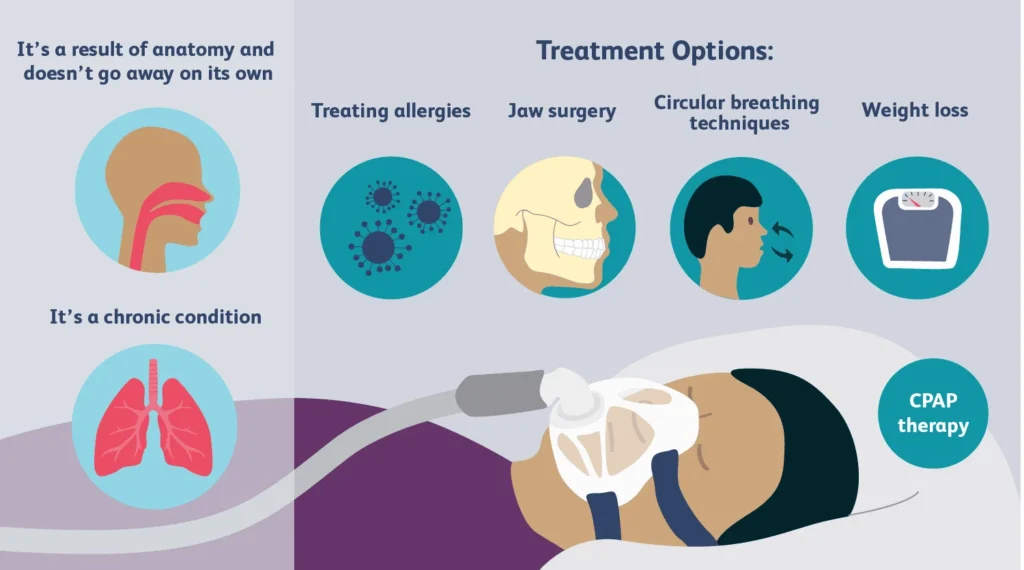
Below is a direct, budget-minded way to think about snoring, sleep quality, and where a mouthpiece fits—without turning your nightstand into a gadget museum.
Why is everyone suddenly talking about snoring and sleep quality?
Because sleep tools are everywhere. Smart rings, sleep apps, white-noise machines, nasal strips, and “miracle” sprays keep popping up in recommendation lists and expert roundups. The cultural vibe right now is simple: people want better mornings, and they want them fast.
Snoring is also a shared problem. It affects the snorer and the person next to them. That’s why it shows up in relationship jokes, travel stories, and “I’m exhausted at work” conversations.
What’s driving the spike in snoring complaints?
A few common patterns get mentioned again and again:
- Travel fatigue: time zones, cramped flights, and hotel beds can push you into back-sleeping.
- Dry air: winter heat or hotel AC can irritate nasal passages.
- Stress and burnout: fragmented sleep can make everything feel louder at 2 a.m.
- Alcohol near bedtime: it can relax tissues and worsen snoring for some people.
What actually causes snoring (in plain language)?
Snoring usually happens when airflow is partially blocked and soft tissues vibrate during sleep. The “block” can be higher up (nose) or lower (throat), and your sleep position can change the whole story.
Common contributors include nasal congestion, sleeping on your back, and jaw/tongue position. Weight changes and aging can also play a role. Sometimes, frequent snoring can be linked with sleep-disordered breathing, including obstructive sleep apnea, which needs medical evaluation.
Where does an anti snoring mouthpiece fit in—without overpromising?
An anti snoring mouthpiece is popular because it’s a simple concept: keep the airway more open by changing how the jaw and/or tongue sits during sleep. It’s also a “do it at home” option that doesn’t require a machine on your face.
That said, mouthpieces are not one-size-fits-all. Comfort, fit, and the reason you snore matter. If you wake up gasping, feel unusually sleepy, or someone notices breathing pauses, don’t self-manage forever. Get checked.
Why dentists are part of the snoring conversation
Recent coverage has highlighted dentists discussing how they approach snoring and sleep apnea, often through oral appliance options and referrals for sleep testing when needed. If you want that broader context, see this related coverage here: In HelloNation, Dental Expert Dr. Eric Runyon of Belton, MO Discusses How Dentists Treat Snoring & Sleep Apnea.
Which anti-snore devices are people comparing right now?
If you’ve been browsing, you’ve probably seen expert-driven lists that compare a few main categories. The goal isn’t to buy everything. It’s to pick the most likely match.
Quick device match (practical, not perfect)
- Mouthpieces: often used when jaw/tongue position and back-sleeping are key triggers.
- Nasal strips/dilators: more relevant when nasal airflow is the bottleneck.
- Positional aids: useful if snoring spikes on your back.
- White noise: helps the partner cope, but doesn’t address the cause.
Many people start with the lowest-friction option and move up only if needed. That’s a smart way to protect your budget and your patience.
How can you tell if a mouthpiece is worth trying this month?
Use a simple “waste-no-cycles” filter:
- Your pattern is consistent: snoring most nights, especially on your back.
- You want a quiet, portable option: helpful for travel and shared rooms.
- You can commit to a short adjustment period: comfort can take a bit of time.
If jaw pain, loose teeth, or significant dental work are in the picture, pause and ask a dentist first. Comfort matters, and so does your bite.
A budget-friendly option to consider
If you’re comparing practical setups, here’s a product-style option many shoppers look for: anti snoring mouthpiece. A combo approach appeals to people who suspect mouth opening is part of the noise.
What else improves sleep quality while you work on snoring?
Snoring is one piece of the sleep-quality puzzle. The basics still matter, and they’re trending again because they work.
High-impact, low-cost sleep moves
- Keep a steady wake time: it anchors your rhythm even when bedtime shifts.
- Limit alcohol close to bed: especially on travel nights.
- Side-sleep when possible: positional changes can reduce snoring for some people.
- Protect nasal breathing: address congestion and dry air in simple ways.
Think of it like noise control plus recovery. You want fewer disruptions and deeper rest, not just a quieter room.
Common questions
Can snoring mean something more serious?
Yes. While many cases are benign, loud chronic snoring plus choking/gasping, witnessed breathing pauses, or major daytime sleepiness can signal sleep-disordered breathing. That’s a “get evaluated” moment.
Will an anti snoring mouthpiece help my partner sleep better?
If it reduces your snoring, it can help both of you. Many couples treat it like a shared project: fewer wake-ups, fewer jokes that turn into arguments, and better mornings.
How do you avoid buying three devices you don’t use?
Pick one likely match, test it consistently, and track outcomes for a short window. If nothing changes, switch categories instead of buying a “slightly different” version of the same tool.
Medical disclaimer: This article is for general information only and is not medical advice. It does not diagnose, treat, or replace care from a qualified clinician. If you have symptoms of sleep apnea (breathing pauses, gasping, severe daytime sleepiness) or persistent snoring, seek professional evaluation.