
Snoring isn’t just “noise.” It can turn a full night in bed into a low-quality night of sleep.
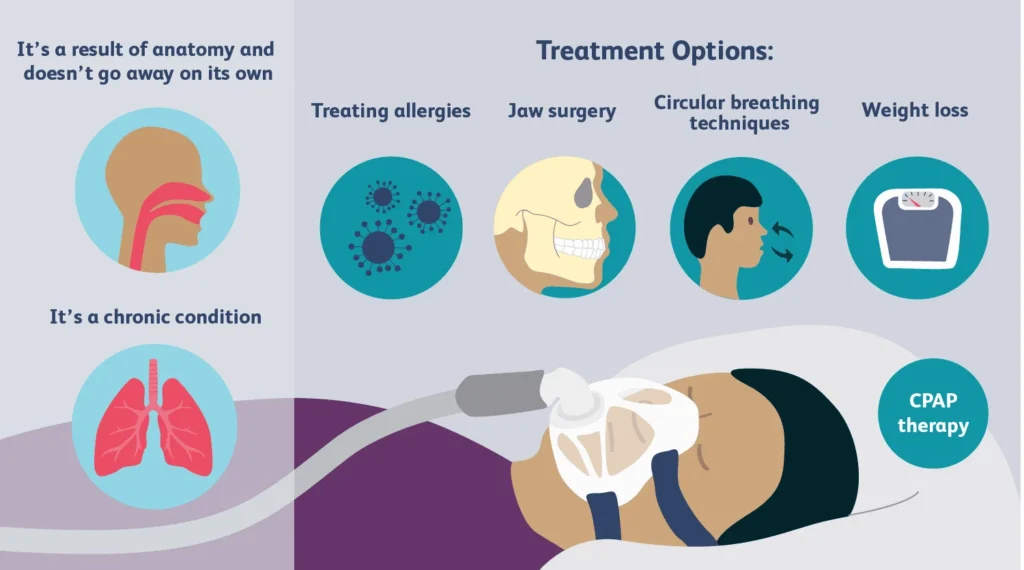
And lately, between sleep gadgets, wellness trends, and everyone joking about “separate blankets” (or separate rooms), the snoring conversation is everywhere.
Thesis: If you want a practical, budget-friendly plan, pair basic sleep timing fixes with a well-fitted anti snoring mouthpiece—and track results like a simple experiment.
Overview: why snoring is trending again
Sleep talk spikes whenever schedules get weird. Daylight savings shifts, early classes, late-night scrolling, and work burnout all push people into lighter, more fragmented sleep. That’s when snoring becomes harder to ignore.
At the same time, anti-snoring devices keep getting more attention in product roundups and market news. Translation: more choices, more marketing, and more chances to buy something that doesn’t fit your needs.
If you want a grounded starting point, skim Snooze smarter with these Campus Health sleep hygiene tips and keep the big idea: protect your sleep window, then troubleshoot the snoring.
Timing: pick the right week to test a mouthpiece
Don’t start on the worst week of your month. If you’re traveling, pulling overtime, or switching schedules, your sleep will be messy and your results won’t be clear.
Best time to start
- A “normal” week with consistent wake time
- No big travel days (hotel pillows + late meals can change snoring)
- A stretch where you can run a 7–10 night test
If daylight savings just hit
Keep the goal small. Anchor your wake time, get morning light when you can, and avoid trying five new sleep tools at once.
Supplies: what you need (and what you can skip)
You don’t need a drawer full of gadgets. A simple setup is easier to stick with and cheaper to evaluate.
Helpful basics
- Your chosen anti snoring mouthpiece (read the instructions fully)
- Phone notes or a sleep tracker (optional) to log snoring and how you feel
- Water by the bed (dry mouth is common early on)
- A backup plan for nasal comfort (saline rinse or strips if you already use them safely)
Optional combo gear
If mouth breathing is part of your pattern, a combo can be simpler than stacking multiple products. Example: this anti snoring mouthpiece is designed for people who want one coordinated setup.
Step-by-step (ICI): a no-waste way to test what works
This is an ICI plan: Identify, Confirm, Improve. It keeps you from guessing (or buying three things because of one viral clip).
I — Identify your snoring pattern
For 2–3 nights, don’t change anything. Just collect clues:
- Does snoring happen more on your back?
- Is it worse after alcohol, late meals, or long workdays?
- Does your partner notice pauses, choking, or gasping?
If you suspect breathing pauses or you feel excessively sleepy despite time in bed, talk with a clinician. A mouthpiece may not be the right first step.
C — Confirm the baseline with one simple metric
Pick one measure you’ll actually use:
- Partner rating (0–10) of snoring loudness
- How many times someone gets nudged awake
- Morning check-in: headache, dry mouth, or “refreshed” feeling
Keep it short. You’re trying to see direction, not write a research paper.
I — Improve with a mouthpiece-first trial
Follow the product’s fitting directions carefully. Then run a 7–10 night trial where you keep everything else steady.
- Nights 1–3: Expect adjustment. Focus on comfort and wear time.
- Nights 4–7: Look for trends. Less snoring? Better mornings?
- Nights 8–10: Decide. Continue, refit (if allowed), or stop.
Practical tip: if your week is packed and you’re fried, your body may clench more at night. That can make any mouthpiece feel “worse” than it really is. Don’t judge it on a single stressful night.
Mistakes that waste money (and sleep)
Stacking too many fixes at once
Mouthpiece + new pillow + mouth tape + supplement + new bedtime sounds productive. It also makes it impossible to know what helped.
Ignoring schedule drift
If you’re sleeping at random times, your sleep quality drops even if snoring improves. Protect the basics first: consistent wake time, wind-down, and a darker room.
Pushing through pain
Mild soreness can happen early. Sharp pain, jaw clicking, or bite changes are not a “power through it” situation. Stop and get professional guidance.
Missing the relationship angle
Snoring jokes are everywhere for a reason. Sleep loss turns small annoyances into real conflict. Agree on a short test window and a simple scoring system so it feels fair, not personal.
FAQ: quick answers people want right now
What’s the difference between mouthguards and anti-snoring mouthpieces?
Many anti-snoring mouthpieces aim to reduce airway collapse by repositioning the jaw or stabilizing the mouth. Sports mouthguards mainly protect teeth and may not address snoring.
Will an anti snoring mouthpiece improve sleep quality?
If snoring is disrupting sleep, reducing it can help you and your partner sleep more continuously. Sleep quality also depends on timing, stress, alcohol, and nasal comfort.
Is it normal to drool with a mouthpiece?
Yes, especially in the first week. It often improves as you adapt.
Can I use one if I have dental work?
It depends on your teeth and dental history. Ask a dentist if you have crowns, braces, TMJ issues, or ongoing dental pain.
When should I get checked for sleep apnea?
If there are breathing pauses, choking/gasping, high daytime sleepiness, or high blood pressure concerns, get medical evaluation promptly.
CTA: start simple, then upgrade with intention
If you want a practical next step, begin with a 7–10 night trial and one clear metric. That keeps you from wasting a cycle on guesswork.
How do anti-snoring mouthpieces work?
Medical disclaimer: This article is for general education only and isn’t medical advice. Snoring can have many causes, including conditions that require professional care. If you have choking/gasping, breathing pauses, chest pain, severe daytime sleepiness, or persistent jaw/dental pain, seek evaluation from a qualified clinician or dentist.