
- Snoring is a sleep-quality problem, not just a noise problem.
- Trends come and go (sleep gadgets, mouth taping), but basics still win: airflow, position, and consistency.
- An anti snoring mouthpiece can help by improving nighttime airflow for some snorers.
- Travel fatigue and burnout often make snoring louder because sleep gets lighter and routines fall apart.
- If snoring includes choking, gasping, or big daytime sleepiness, think “screening,” not “hack.”
Overview: Why snoring is everywhere right now
Snoring is having a moment because sleep is having a moment. People are buying wearables, trying apps, and swapping tips like they’re trading fantasy-league stats. At the same time, workplace burnout, late-night scrolling, and constant travel have made “good sleep” feel like a luxury item.
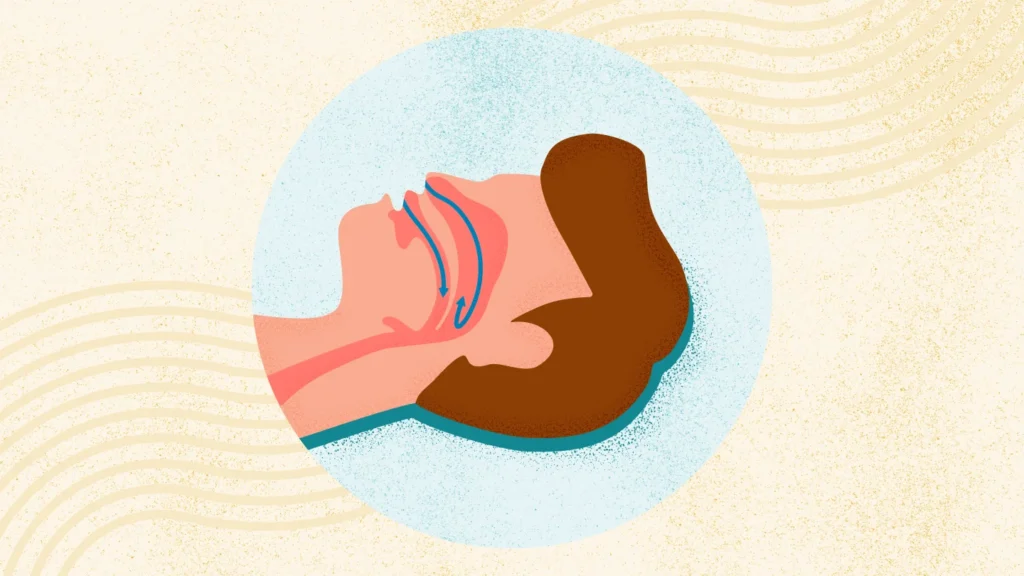
Recent health coverage has also pushed a key point back into the spotlight: snoring can be harmless, but it can also show up alongside sleep apnea. If you want a grounded starting point, review What is Sleep Apnea? and compare it to what you’re noticing at home.
And yes, relationship humor is part of it. Plenty of couples joke about “sleep divorce,” separate blankets, or separate rooms. The punchline gets old when both people are exhausted.
Timing: When to focus on snoring (and when to escalate)
Work on snoring now if you’re dealing with any of these: lighter sleep, morning grogginess, frequent wake-ups, or a partner nudging you all night. Those are quality-of-life issues, even if you feel “mostly fine.”
Get checked sooner rather than later if snoring comes with witnessed breathing pauses, choking or gasping, morning headaches, high blood pressure concerns, or major daytime sleepiness. Snoring and sleep apnea are not identical. The overlap is why clinicians keep reminding people to pay attention.
One more timing note: travel weeks are a snoring trap. Different pillows, dry hotel air, late meals, and a couple of drinks can stack the deck against you.
Supplies: What you actually need (skip the gadget pile)
Core items
- Anti snoring mouthpiece that fits your mouth and comfort needs.
- A simple cleaning setup: soft toothbrush, mild soap, and a ventilated case.
- Optional comfort helpers: nasal strips or a humidifier if dryness is a pattern.
About “trending” fixes
Mouth taping is getting attention in the news because it sounds simple. The safety question is real, though. If your nose isn’t reliably clear, or if you might have sleep apnea, DIY taping can be a bad idea. Don’t treat a headline like a care plan.
Step-by-step (ICI): A mouthpiece routine that prioritizes comfort
Use this ICI approach to make changes you can stick with. It’s designed for real life, not perfect life.
I = Identify your snoring pattern
- Position: Is it worse on your back?
- Timing: Does it spike after alcohol, late meals, or long flights?
- Nasal vs mouth breathing: Do you wake up with a dry mouth?
- Partner notes: Any pauses, gasps, or abrupt silence followed by a snort?
This isn’t about self-diagnosing. It’s about choosing the right next move.
C = Calibrate the mouthpiece for real comfort
Many anti-snoring mouthpieces work by supporting jaw position to help keep the airway more open. Comfort is the gatekeeper. If it feels extreme, you won’t wear it.
- Start conservative: Aim for “noticeable but tolerable,” not “max effect.”
- Give it a ramp: Wear it for shorter periods at first if needed.
- Check bite and jaw feel: Mild awareness can be normal early. Sharp pain is not.
If you’re comparing products, see anti snoring mouthpiece to match style and features to your needs.
I = Implement a simple nightly sequence
- Reset your nose: If you’re congested, address that first (shower steam, saline, or whatever your clinician recommends). Mouthpieces don’t magically fix blocked nasal breathing.
- Set your position: Side-sleeping often helps. Use a pillow setup that keeps your head and neck neutral.
- Insert and settle: Put the mouthpiece in before you’re half-asleep so you can confirm comfort.
- Reduce sleep fragmentation: Dim screens, keep the room cool, and don’t chase metrics all night on your wearable.
- Morning cleanup: Rinse, brush gently, air-dry in a ventilated case.
Mistakes that sabotage results (even with the “right” mouthpiece)
Going too aggressive on night one
Cranking a device to an extreme setting is a fast track to jaw soreness and quitting. Small adjustments beat big swings.
Ignoring nasal issues
If you can’t breathe well through your nose, you’ll fight your own setup. That’s one reason mouth taping can be risky for some people.
Expecting a mouthpiece to fix burnout
When you’re overworked, sleep gets lighter and more fragmented. Snoring can get louder in that environment. You still need a wind-down routine and enough time in bed.
Skipping hygiene and storage
A mouthpiece lives in a warm, moist environment. Clean it daily and let it dry. Funky gear makes adherence harder.
FAQ: Quick answers people want before they buy
Is snoring always a sign of sleep apnea?
No. But loud, frequent snoring plus breathing pauses, gasping, or significant daytime sleepiness is a reason to get evaluated.
What if I snore more after drinking or eating late?
That’s common. Treat it like a predictable trigger and adjust your timing, portions, and bedtime routine when you can.
Can kids use anti-snoring mouthpieces?
Children’s snoring and breathing issues should be handled with a pediatric clinician. Don’t DIY an oral device for a child without medical guidance.
CTA: Make the next step easy
If you want a practical option that fits into a normal routine, start by comparing mouthpiece styles and comfort features, then commit to a two-week consistency test. Your goal is quieter nights and fewer disruptions, not perfection.
How do anti-snoring mouthpieces work?
Medical disclaimer: This article is for general education only and is not medical advice. Snoring can be associated with sleep apnea and other health conditions. If you have choking/gasping, witnessed breathing pauses, severe daytime sleepiness, chest pain, or concerns about a child’s breathing during sleep, seek evaluation from a qualified clinician.