
Snoring is having a moment. Not the cute kind.
Between travel fatigue, burnout, and a new wave of sleep gadgets, people are trying anything to get a quieter night.
Here’s the direct take: trend hacks can be tempting, but an anti snoring mouthpiece is one of the more practical tools to test—if you focus on fit, comfort, and consistency.
Why is everyone suddenly talking about snoring “fixes”?
Sleep content is everywhere right now. You’ll see lists of “must-have” sleep products, debates about viral tricks, and plenty of relationship humor about who gets banished to the couch.
There’s also a real-world driver: people feel run down. Late-night work, early alarms, and frequent travel can make sleep lighter. When sleep gets fragile, snoring becomes a bigger problem fast.
If you want one simple trend worth keeping, it’s this: protect your sleep window. Some recent advice floating around is to stop working well before bed so your brain can downshift.
Is mouth taping a smart idea, or a risky shortcut?
Mouth taping is the headline-grabber. It’s framed as a quick way to encourage nose breathing and reduce mouth noise.
But safety is the real question. If your nose isn’t clear, forcing your mouth closed can feel awful. It can also be a bad idea if you have symptoms that suggest a sleep-breathing issue.
If you’re curious about what experts are saying, start with this kind of coverage: Taping your mouth shut to stop snoring is a thing — but is it safe? Experts weigh in.
Bottom line: a “hack” that blocks a natural backup route for breathing deserves caution. If you try anything like this, talk to a clinician first—especially if you wake up gasping, get morning headaches, or feel unusually sleepy during the day.
What does an anti snoring mouthpiece actually do?
Most anti-snoring mouthpieces fall into two buckets:
1) Mandibular advancement (jaw-positioning) devices
These gently hold the lower jaw forward. That can help keep the airway more open for some people.
2) Tongue-stabilizing devices
These aim to keep the tongue from sliding back and narrowing airflow.
In plain terms, a mouthpiece isn’t “silencing” snoring. It’s trying to reduce the collapse or vibration that creates the sound in the first place.
How do you know if a mouthpiece is worth trying for your snoring?
Start with the type of snoring you’re dealing with. You don’t need a perfect diagnosis to be practical, but you do need a clear pattern.
Try a mouthpiece first if:
- Your snoring is position-related (often worse on your back).
- You wake up with a dry mouth and suspect open-mouth sleeping.
- Your partner reports “steady” snoring more than choking or long pauses.
Get checked sooner if:
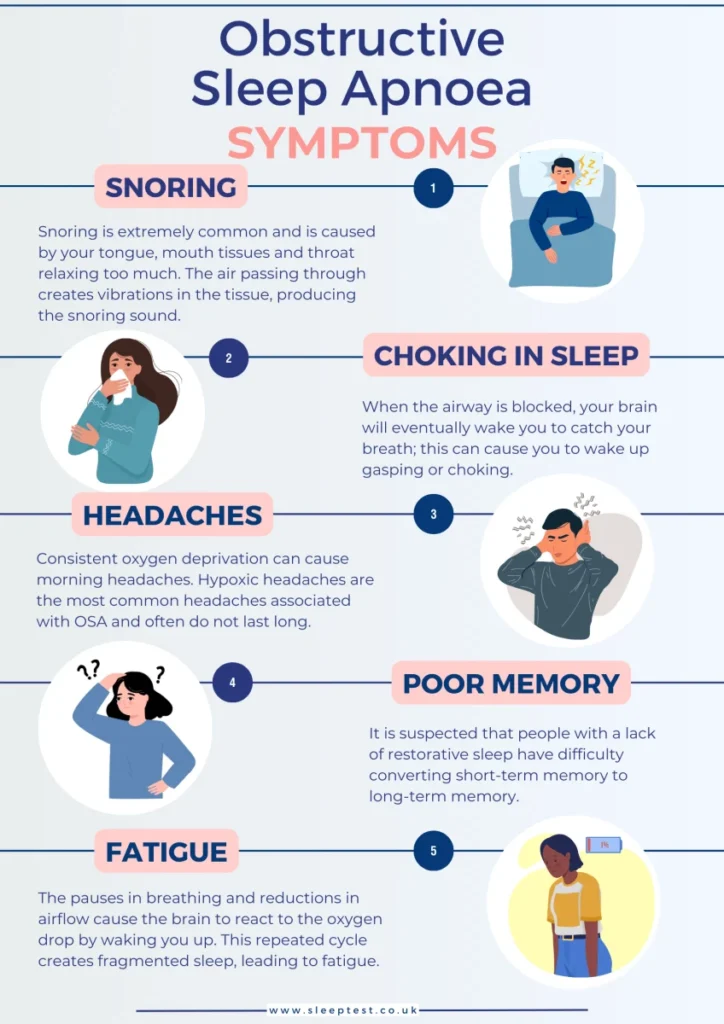
- Your partner notices breathing pauses, choking, or gasping.
- You’re tired despite “enough” hours in bed.
- You have high blood pressure or other health risks and loud snoring.
Dental groups have also been discussing how oral appliances fit into broader sleep-breathing therapy. That’s a reminder that mouthpieces can be legitimate tools, not just gadgets.
What matters most: fit, comfort, or “features”?
Features sell. Fit is what works.
Here’s the quick hierarchy:
1) Comfort (so you’ll actually wear it)
If it’s bulky or triggers gagging, it won’t last a week. Look for a design that allows a natural lip seal and doesn’t force you to clench.
2) Positioning (enough change, not too much)
More advancement isn’t always better. Too aggressive can mean jaw soreness, tooth pressure, or headaches. The goal is “just enough” to reduce noise and improve airflow.
3) Materials and edges (the silent deal-breaker)
Sharp edges irritate gums. Cheap plastics can feel stiff. Smooth contact points matter more than flashy marketing terms.
How do you make a mouthpiece feel less weird on night one?
Most people quit because the first night is awkward. That’s normal.
Use a short ramp-up
Wear it for 20–30 minutes while winding down. Read, stretch, or watch something low-stress. Then go to bed.
Pair it with position control
Back sleeping often worsens snoring. If you can comfortably shift to side sleeping, you may need less “force” from the device.
Protect your sleep runway
If you’re working right up to bedtime, you’re primed for lighter sleep and more wake-ups. Give yourself a buffer so you’re not fighting the mouthpiece and your nervous system at the same time.
What’s the simplest cleaning routine that people actually follow?
Keep it boring. Boring is consistent.
- Rinse with cool or lukewarm water after use.
- Brush gently with a soft toothbrush.
- Let it air-dry fully before storing.
Skip harsh cleaners unless the manufacturer recommends them. Also avoid hot water if it can warp the fit.
Which product type should you look at first?
If you’re comparing options, start with a straightforward jaw-positioning style. Many people search for a mandibular advancement mouthpiece because it’s a common approach for snoring.
To see a focused category page, you can review options here: anti snoring mouthpiece.
FAQ: quick answers people ask before buying
Can a mouthpiece help sleep quality?
It can if snoring is fragmenting sleep for you or your partner. Better sleep is often about fewer disruptions, not just more hours.
Will I drool more at first?
Sometimes. Saliva changes are common during the adjustment period and often improve with regular use.
What if my jaw feels sore?
Mild soreness can happen early on. Persistent pain is a stop sign—pause use and ask a dentist or clinician for guidance.
Medical disclaimer: This article is for general education only and is not medical advice. Snoring can have many causes, and some require professional evaluation. If you suspect sleep apnea, have significant daytime sleepiness, or wake up choking or gasping, talk with a qualified clinician.