
Q: Is your snoring a “new gadget” problem or a “something changed in your health” problem?
Q: Should you start with a pillow, mouth tape, or an anti snoring mouthpiece?
Q: How do you try fixes without turning your nightstand into a lab experiment?
A: Treat it like a quick decision tree. Snoring is trendy right now because sleep tech is everywhere, travel fatigue is real, and couples are openly joking about “separate blankets” and “separate bedrooms.” Add workplace burnout, and people will try anything that promises deeper sleep. The smart move is to match the tool to the likely cause, and screen for safety first.
First: a fast safety screen (don’t skip this)
If any of these are true, then treat snoring as a health signal, not just a noise problem.
- If someone has seen breathing pauses, gasping, or choking sounds, then get evaluated for sleep apnea.
- If daytime sleepiness is strong (dozing at meetings, drowsy driving), then prioritize medical screening.
- If you have chest pain, severe morning headaches, uncontrolled high blood pressure, or heart/lung conditions, then get clinician guidance.
- If you have significant TMJ pain, loose teeth, gum disease, or recent dental work, then ask a dentist before using a mouthpiece.
This isn’t alarmist. It’s risk management. You’re documenting a reasonable first step and avoiding the common “I tried a gadget and ignored a red flag” trap.
Decision guide: If…then choose your first move
If your snoring spikes after travel, late nights, or burnout… then start with frictionless changes
When sleep schedules get wrecked (hello, red-eye flights and deadline weeks), snoring can get louder. Your airway muscles relax more with sleep debt, alcohol, and irregular timing.
- Keep bedtime and wake time consistent for a week.
- Cut alcohol close to bedtime if snoring is worse after drinks.
- Try side-sleeping support (body pillow, positional tweaks).
These steps are boring. They also reduce “false failures,” where a device seems ineffective because your routine is the real driver.
If you mainly snore on your back… then consider positional tools or pillow changes
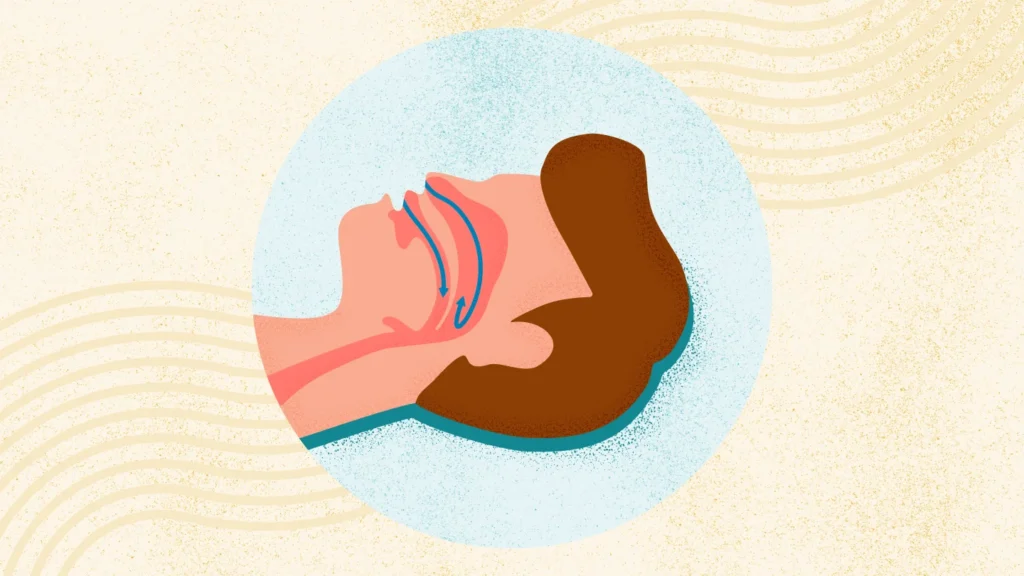
Back-sleeping can let the tongue and soft tissues fall back. That narrows the airway and increases vibration. That’s why anti-snore pillows keep showing up in lifestyle coverage.
If you’re researching pillows, see the general discussion around 10 Anti-Snoring Pillows That Actually Work. Keep expectations realistic: pillows can help posture and position, but they don’t change jaw anatomy.
If your partner says it’s loud in every position… then a mouthpiece may be the more direct experiment
An anti snoring mouthpiece is often used to change airflow mechanics by gently repositioning the lower jaw forward or stabilizing the tongue. That can reduce the tissue vibration that creates the sound.
If you want a tool that travels well (hotel rooms, work trips, couch nights), then a mouthpiece can be simpler than hauling multiple pillows. It’s also a common next step when “sleep gadget” shopping starts to feel endless.
To compare styles and fit approaches, you can review anti snoring mouthpiece. Focus on comfort, adjustability, and cleaning instructions. Those details matter for adherence and hygiene.
If you’re curious about mouth tape… then pause and assess nasal breathing first
Mouth taping is a popular trend because it looks simple. It can also be the wrong move for some people. If your nose is often blocked (allergies, congestion, deviated septum), forcing mouth closure can feel panicky and may be unsafe.
If you can breathe easily through your nose all night and you’re only exploring gentle habit nudges, then discuss it with a clinician and follow conservative guidance. If you’re unsure, then don’t experiment solo. A mouthpiece targets snoring differently and doesn’t rely on taping your lips shut.
How to try a mouthpiece without creating new problems
- If you wake with jaw soreness, tooth pain, or headaches, then stop and reassess fit and timing. Persistent pain needs dental input.
- If you share a bed, then agree on a simple “before/after” check: loudness, frequency, and how refreshed you feel.
- If you get dry mouth, then review hydration, room humidity, and whether you’re mouth-breathing from congestion.
- If you’re prone to gum irritation, then prioritize smooth edges, proper sizing, and strict cleaning.
Sleep quality: what people forget while chasing quiet
Snoring is the headline, but sleep quality is the outcome. People often buy a device, then keep scrolling at midnight or keep a chaotic schedule. That’s like buying running shoes and never walking.
If you want the biggest “sleep health” win, then pair any anti-snore tool with the basics: consistent timing, a darker room, and a wind-down routine that doesn’t involve doomscrolling. Campus health sleep-hygiene tips and daylight-savings reminders keep resurfacing for a reason: timing and routine still work.
FAQ (quick answers)
What is an anti snoring mouthpiece designed to do?
Most are designed to keep the airway more open by repositioning the jaw or stabilizing the tongue so soft tissues vibrate less.
How fast can a mouthpiece reduce snoring?
Some people notice a change the first night, but comfort and fit often take several nights to adjust. If symptoms worsen, stop and reassess.
Is mouth tape safer than a mouthpiece for snoring?
It depends on the person. If nasal breathing is restricted, taping the mouth can be risky. A mouthpiece targets airway mechanics differently and may be a better fit for some.
Who should not use an anti-snoring mouthpiece without medical advice?
People with suspected sleep apnea, significant jaw pain, loose teeth, gum disease, or severe TMJ symptoms should talk to a clinician or dentist first.
How do I clean a mouthpiece to reduce infection risk?
Rinse after each use, clean as directed by the manufacturer, let it fully dry, and store it in a ventilated case. Replace it when it shows wear or odor that won’t wash out.
What are signs my snoring might be more than snoring?
Loud snoring plus choking/gasping, witnessed breathing pauses, morning headaches, high daytime sleepiness, or high blood pressure history are common red flags to screen for.
CTA: pick one path and track it for 7 nights
If you’re stuck between “try a pillow” and “try a mouthpiece,” choose one change and run it for a week. Keep notes on loudness, awakenings, and morning energy. That’s how you avoid buying five gadgets and trusting none of them.
How do anti-snoring mouthpieces work?
Medical disclaimer: This article is for general education only and is not medical advice. Snoring can be a symptom of obstructive sleep apnea or other conditions. If you have red-flag symptoms (gasping, witnessed pauses, severe daytime sleepiness, chest pain, or significant jaw/tooth pain), seek evaluation from a qualified clinician or dentist.