
At 2:13 a.m., someone nudges their partner and whispers, “You’re doing the chainsaw thing again.” The partner rolls over, half-asleep, and says they’re “not even that loud.” By morning, both feel wrecked, and the group chat is already full of jokes about sleep trackers, burnout, and “airport naps that don’t count.”
That’s the vibe right now: people want better sleep, fast. They’re comparing gadgets, swapping travel-fatigue hacks, and debating whether a mouthpiece beats a nose strip. Here’s the no-fluff breakdown of what matters for snoring and sleep quality.
Why does snoring feel worse lately, even if nothing “changed”?
Snoring often gets louder when sleep gets lighter and more fragmented. That can happen during stressful weeks, heavy workloads, or after travel when your schedule shifts. Even a few nights of short sleep can make you more aware of every sound in the room.
Some people also notice “seasonal” patterns. Nasal stuffiness, dry air, or a new bedroom setup can nudge snoring up. The result is the same: less restorative sleep and more resentment by breakfast.
Is an anti snoring mouthpiece or a nose strip the better first try?
Recent chatter has focused on a simple idea: format may matter more than brand. In plain terms, the type of product you choose should match the likely source of your snoring.
When nose strips tend to make sense
Nose strips aim to improve nasal airflow. They’re often considered when snoring shows up with congestion, allergies, or a “blocked nose” feeling. They’re simple, low-commitment, and easy for travel.
When an anti snoring mouthpiece tends to make sense
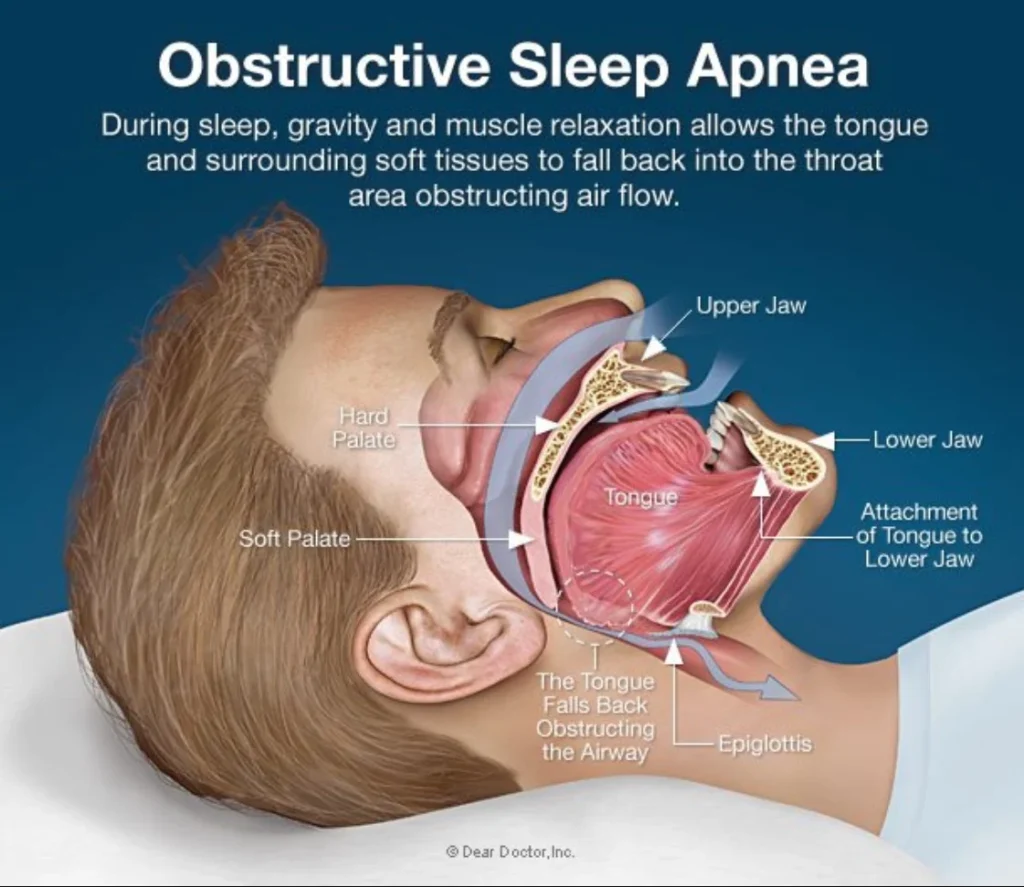
An anti snoring mouthpiece (often a mandibular advancement-style device) is designed to change jaw/tongue position during sleep. That can matter when snoring seems worse on your back, after alcohol, or when your mouth falls open.
If your snoring sounds more like a deep throat vibration than a nasal whistle, a mouthpiece format is often the next thing people test.
If you want a quick reference point, you can skim a general Anti-Snoring Mouthpiece vs Nose Strips: Consumer Analysis Explains Why Product Format May Matter More Than Brand and then pick the format that matches your situation.
What should you look for in an anti snoring mouthpiece?
Skip the hype. Focus on fit, comfort, and whether you can actually keep it in all night.
3 practical checkpoints
- Fit and adjustability: Too tight can cause soreness. Too loose won’t help.
- Breathing comfort: If you feel like you can’t breathe well, don’t “push through.”
- Jaw and tooth feel in the morning: Mild adjustment can happen. Persistent pain is a stop sign.
If you’re comparing options, start here: anti snoring mouthpiece.
What are people changing besides products to improve sleep quality?
Sleep trends come and go, but a few basics keep resurfacing because they’re effective and cheap. They also pair well with a mouthpiece or strips.
Try this “less friction” sleep stack
- Stop the scroll earlier than you think: Doomscrolling steals time and ramps up mental noise.
- Keep wake time steady: Especially after travel. It helps reset your rhythm faster.
- Cool, dark, quiet room: Small changes (fan, shades, white noise) can reduce wake-ups.
- Side-sleep nudge: If snoring spikes on your back, a body pillow can be a simple test.
These don’t replace a snoring solution, but they can make any solution work better. They also help when burnout makes sleep feel “light,” even when you’re exhausted.
When is snoring more than a nuisance?
Snoring can be a relationship problem, a travel problem, and a productivity problem. Sometimes it’s also a health signal. If you have loud snoring plus choking/gasping, witnessed breathing pauses, or major daytime sleepiness, get checked for sleep-disordered breathing.
Sleep medicine keeps evolving, and clinicians have more tools than ever to evaluate snoring and sleep apnea. You don’t need to self-guess forever.
Common “real life” scenarios: what to try first
“We’re traveling and sharing a room.”
Go simple: nasal support if you’re congested, plus a consistent bedtime and less late-night alcohol. If snoring is chronic, test a mouthpiece at home before relying on it on a trip.
“My partner says it’s worst when I’m on my back.”
Side-sleep support is a fast experiment. If that helps, a mouthpiece may also be worth testing, since position and airway dynamics often interact.
“I bought three sleep gadgets and still feel tired.”
Wearables can be motivating, but they don’t fix airflow. If snoring is a nightly feature, prioritize addressing it directly, then use tracking as feedback.
FAQ: quick answers before you buy anything
Do I need a brand-name device?
Not always. Fit and the product format (mouthpiece vs strip) often matter more than branding.
Can I combine a mouthpiece with better sleep habits?
Yes. A mouthpiece handles snoring mechanics, while habits protect sleep time and depth.
What if I wake up with jaw soreness?
Mild discomfort can happen early on, but ongoing pain is not normal. Stop and consider professional guidance.
Next step: pick one format and test it for a week
If your snoring seems throat-based or worse when your jaw relaxes, an anti snoring mouthpiece is a reasonable first format to test. If it’s mostly nasal, start with nasal support. Don’t run five experiments at once, or you won’t know what helped.
How do anti-snoring mouthpieces work?
Medical disclaimer: This article is for general information only and is not medical advice. Snoring can be a symptom of obstructive sleep apnea or other conditions. If you have choking/gasping, breathing pauses, chest pain, severe daytime sleepiness, or persistent symptoms, seek evaluation from a qualified clinician.