
Q: Why does snoring feel louder lately—are we just more tired?
Q: Are sleep “hacks” and gadgets actually improving sleep quality, or just adding clutter?
Q: Does an anti snoring mouthpiece belong in a real plan, or is it a last resort?
Yes, fatigue makes everything feel worse. And yes, some tools help when you use them consistently. A mouthpiece can be a practical middle step—especially when you pair it with better timing, comfort tweaks, and a simple nightly routine.
Overview: what people are talking about right now
Sleep has become a mini culture war: wearable scores, bedside gadgets, “perfect” routines, and travel fatigue that turns one bad night into a week of cranky mornings. Add relationship humor about “the snorer” on the other side of the bed, and it’s easy to treat snoring like a joke.
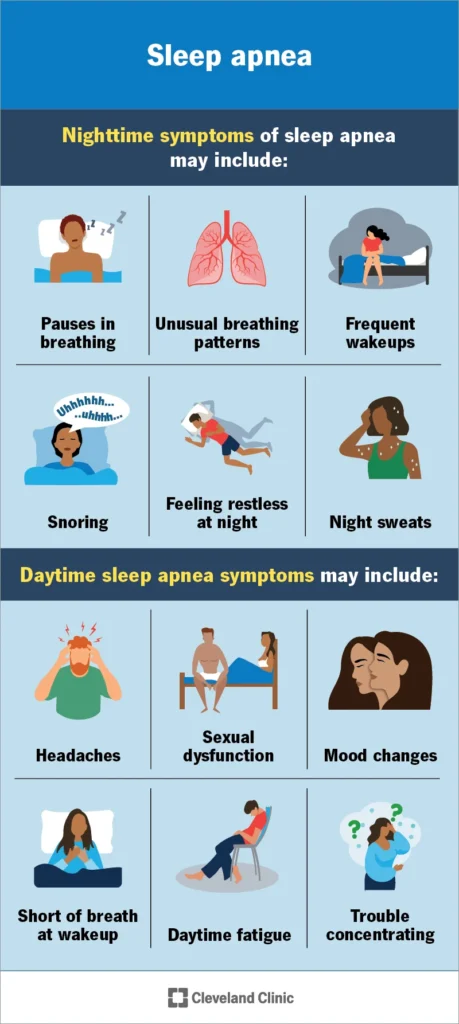
But headlines have also pushed a more serious message: snoring can be tied to sleep-disordered breathing, including obstructive sleep apnea. Medical groups and dental publications have discussed evolving dental approaches that may support certain patients. If you want a broad reference point, see January JADA outlines emerging dental therapies for obstructive sleep apnea.
Translation: you can keep it light at brunch, but take your sleep seriously at night. Better sleep quality supports mood, focus, and resilience—especially when workplace burnout already has your brain running hot.
Timing: when to test changes (and when not to)
Snoring fixes work best when you can actually measure the difference. Pick a stable week if possible. Avoid changing five things at once.
Good windows to experiment
- After travel: Give yourself 2–3 nights to reset from jet lag or hotel sleep before judging results.
- During a normal workweek: You’ll notice daytime energy changes faster.
- When your schedule is consistent: Same bedtime, same wake time, same caffeine cutoff.
Times to pause and get checked
- Loud snoring plus witnessed pauses in breathing.
- Choking/gasping at night, morning headaches, or heavy daytime sleepiness.
- High blood pressure or heart concerns alongside snoring.
Those patterns can point to obstructive sleep apnea. A mouthpiece may still be part of care, but you’ll want guidance and proper evaluation.
Supplies: your “snoring kit” (simple, not fancy)
You don’t need a nightstand full of devices. Start with a few basics so you can stay consistent.
- Anti-snoring mouthpiece: Choose one that fits your comfort needs and is easy to clean.
- Optional support: Some people like a chinstrap for mouth-breathing tendencies.
- Cleaning items: Soft toothbrush, mild soap (or cleaner made for oral appliances), and a ventilated case.
- Phone notes or sleep log: Track bedtime, wake time, alcohol, congestion, and how you feel.
If you’re shopping for a combined setup, you can review an anti snoring mouthpiece and compare it to your needs.
Step-by-step (ICI): fit, position, and cleanup that people skip
ICI here stands for Insert, Check, Improve. It’s a quick loop that keeps comfort high and drop-off low.
1) Insert: set up for comfort, not heroics
- Put the mouthpiece in before you’re half-asleep. Rushed fitting leads to bad nights.
- Keep your jaw relaxed. Clenching can create soreness and make you quit early.
- If you tend to mouth-breathe, test whether gentle mouth closure support helps you stay comfortable.
2) Check: run a 20-second “sleep quality” scan
- Seal: Does it stay in place when you swallow?
- Pressure: Any sharp points rubbing gums or cheeks?
- Breathing: Can you breathe comfortably through your nose?
- Saliva/dryness: Excess drool or dry mouth can signal a tweak is needed.
Pro tip: if you’re trying a popular routine like the “countdown” style sleep hack making the rounds, pair it with this check. Habits help, but comfort decides whether you stick with the tool.
3) Improve: tiny adjustments beat big overhauls
- Side-sleep support: A pillow behind your back can reduce rolling onto your back.
- Nasal comfort: If congestion is frequent, talk with a clinician about safe options. Breathing matters.
- Ramp-up plan: Use the mouthpiece for a few hours for the first nights, then extend time.
Cleanup: the two-minute habit that protects your mouth
- Rinse right after removal.
- Brush gently with a soft brush and mild cleanser.
- Let it dry fully in a ventilated case.
Skipping cleaning is how “I tried it once” becomes “it tasted weird, so I quit.”
Mistakes that keep snoring (and crankiness) alive
Stacking too many changes at once
New mouthpiece, new pillow, new app, new bedtime, new supplements—then you can’t tell what worked. Change one lever, then reassess.
Ignoring jaw comfort signals
Soreness that fades can be normal early on. Persistent pain is not a willpower problem. It’s a fit problem.
Expecting a mouthpiece to fix burnout
Better sleep helps you cope. It won’t erase an overloaded schedule by itself. Use the tool, but protect your wind-down time too.
Treating loud snoring as “just a relationship issue”
Sure, it can be funny in memes. In real life, it can also be a health flag. If breathing looks irregular at night, get evaluated.
FAQ
Does an anti snoring mouthpiece improve sleep quality right away?
Some people notice faster improvement than others. Comfort, consistency, and the cause of snoring all matter.
Can I use a mouthpiece if I have dental work?
Maybe. Crowns, implants, braces, or TMJ history can change what’s appropriate. A dentist can help you choose safely.
What’s the easiest way to tell if snoring is improving?
Use a simple log: partner feedback (if available), how refreshed you feel, and whether you wake up less often. Keep notes for 7–10 nights.
CTA: pick one next step you’ll actually do tonight
If you want a practical tool to test alongside better sleep timing and positioning, start with a mouthpiece you can wear comfortably and clean easily. Consistency beats hype.
How do anti-snoring mouthpieces work?
Medical disclaimer: This article is for general education and is not medical advice. Snoring can be a symptom of obstructive sleep apnea or other conditions. If you have loud snoring with breathing pauses, choking/gasping, chest pain, significant daytime sleepiness, or heart/blood pressure concerns, seek evaluation from a qualified clinician.