
Is your snoring getting worse—or just getting recorded more often?
Are viral sleep hacks (like mouth taping) actually safer than they sound?
And if you want a practical fix, is an anti snoring mouthpiece worth trying?
This post answers those three questions without the fluff. Sleep gadgets are everywhere right now, from wearables to “one weird trick” trends. Meanwhile, people are juggling travel fatigue, burnout, and the classic relationship joke: “I love you, but your snore is a crime.” Let’s sort what’s useful from what’s just loud marketing.
Why does snoring feel like it’s everywhere lately?
Snoring isn’t new. What’s new is how often it gets noticed. More people track sleep, share hacks on social platforms, and compare notes at work after a rough night.
Stress and schedule chaos can also amplify the problem. Late meals, alcohol, back-sleeping, and inconsistent bedtimes can all make snoring more likely. Add a hotel pillow and a red-eye flight, and you’ve got a recipe for “vacation snore.”
Is mouth taping a smart shortcut—or a risky trend?
Mouth taping has been making the rounds as a DIY sleep “upgrade.” The pitch is simple: tape your mouth, breathe through your nose, sleep better. Real life is messier.
If your nose is even slightly blocked, forcing mouth closure can be uncomfortable and potentially unsafe. It also doesn’t address many common snoring drivers, like airway narrowing during sleep or jaw position.
If you want a general overview of what people are discussing around this trend, see this reference on Is Mouth Taping Safe for Sleep? What Parents Should Know About This TikTok Trend. If you’re considering it for yourself (or especially for a child), treat it as a medical question, not a life hack.
When is an anti snoring mouthpiece the practical move?
If you want a budget-minded option that doesn’t require a new subscription, an anti snoring mouthpiece is often on the shortlist. Many are designed as mandibular advancement devices (MADs). They aim to keep the lower jaw slightly forward during sleep, which can reduce airway narrowing for some snorers.
That “for some” matters. Mouthpieces tend to be a better bet when snoring is linked to jaw/tongue position and back-sleeping. They’re less likely to help if your main issue is nasal congestion, heavy alcohol use before bed, or an untreated sleep disorder.
What people like about mouthpieces (the no-drama version)
- One-time purchase feel: Compared with stacking gadgets, a mouthpiece can be a simpler experiment.
- Portable: Useful for travel, when unfamiliar beds push you onto your back.
- Partner impact: If it reduces snoring volume, everyone sleeps better. That’s the real win.
What can go wrong (so you don’t waste a cycle)
- Jaw soreness or tooth discomfort: Often a fit issue, sometimes a “not for you” sign.
- Dry mouth or drooling: Common early on, sometimes improves with adjustment.
- False confidence: If you have sleep apnea, reducing noise doesn’t equal fixing the problem.
How do you avoid missing sleep apnea while chasing quieter nights?
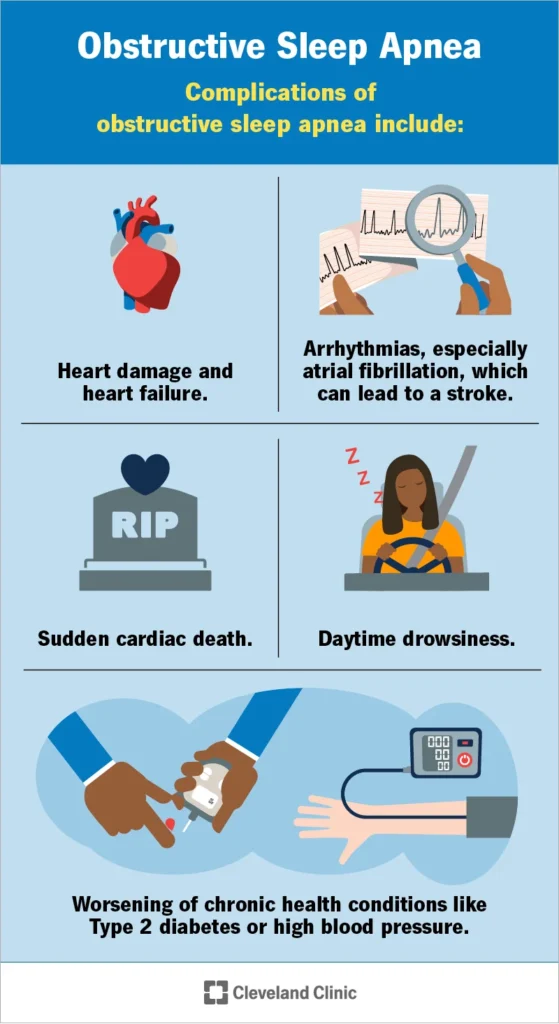
Snoring can be harmless, but it can also be a symptom of obstructive sleep apnea. That’s one reason clinicians keep emphasizing evaluation when red flags show up.
Consider getting checked if you notice breathing pauses, gasping, morning headaches, high daytime sleepiness, or if a partner reports “you stop breathing.” If you’re unsure, start with a conversation with a healthcare professional. Testing can clarify what’s going on.
What’s a realistic at-home plan before you buy another sleep gadget?
Keep it simple and measurable. Pick one change at a time for a week so you can tell what helped.
- Reduce the easy triggers: Alcohol close to bedtime, heavy late meals, and back-sleeping.
- Clear the nose when possible: If congestion is the issue, a mouthpiece won’t “outsmart” a blocked airway.
- Try a mouthpiece if the pattern fits: Especially if snoring is worse on your back and you wake with a dry mouth.
If you’re comparing products, start with a focused list of anti snoring mouthpiece and look for clear fit guidance, comfort notes, and return policies. Practical beats trendy.
FAQ: quick answers people ask before trying a mouthpiece
Will a mouthpiece stop snoring immediately?
Some people notice a change quickly. Others need a short adjustment period, and some won’t respond at all.
Can I use a mouthpiece if I have dental work?
It depends on your teeth and dental health. If you have crowns, TMJ issues, or loose teeth, check with a dentist first.
Is louder snoring always “worse”?
Not always, but louder snoring plus choking/gasping or daytime sleepiness is a stronger reason to get evaluated.
Medical disclaimer: This article is for general information only and isn’t medical advice. Snoring can have many causes, including sleep apnea. If you have symptoms like breathing pauses, choking/gasping, chest pain, severe daytime sleepiness, or concerns about a child’s sleep, seek care from a qualified clinician.