
- Snoring is rarely “just noise.” It can wreck sleep quality for you and anyone within earshot.
- Viral sleep hacks are everywhere. Some are harmless. Others deserve a safety check.
- An anti snoring mouthpiece can be a practical option for simple snoring, especially when jaw position is part of the problem.
- If symptoms suggest obstructive sleep apnea, don’t guess. Screen first, then choose tools.
- Document what you try (and why). It keeps you safer and helps you make clearer next steps.
Snoring has become a weirdly public topic. Sleep trackers score your night like a report card. Travel fatigue makes hotel snoring feel louder. Relationship jokes about “sleep divorce” keep trending. Meanwhile, workplace burnout pushes people to try anything that promises deeper rest.
That mix is why you’re seeing headlines about questionable trends like mouth-taping and also more grounded advice on routines and sleep health. Let’s sort the hype from the options that actually make sense.
Is snoring a sleep-quality problem or a health warning?
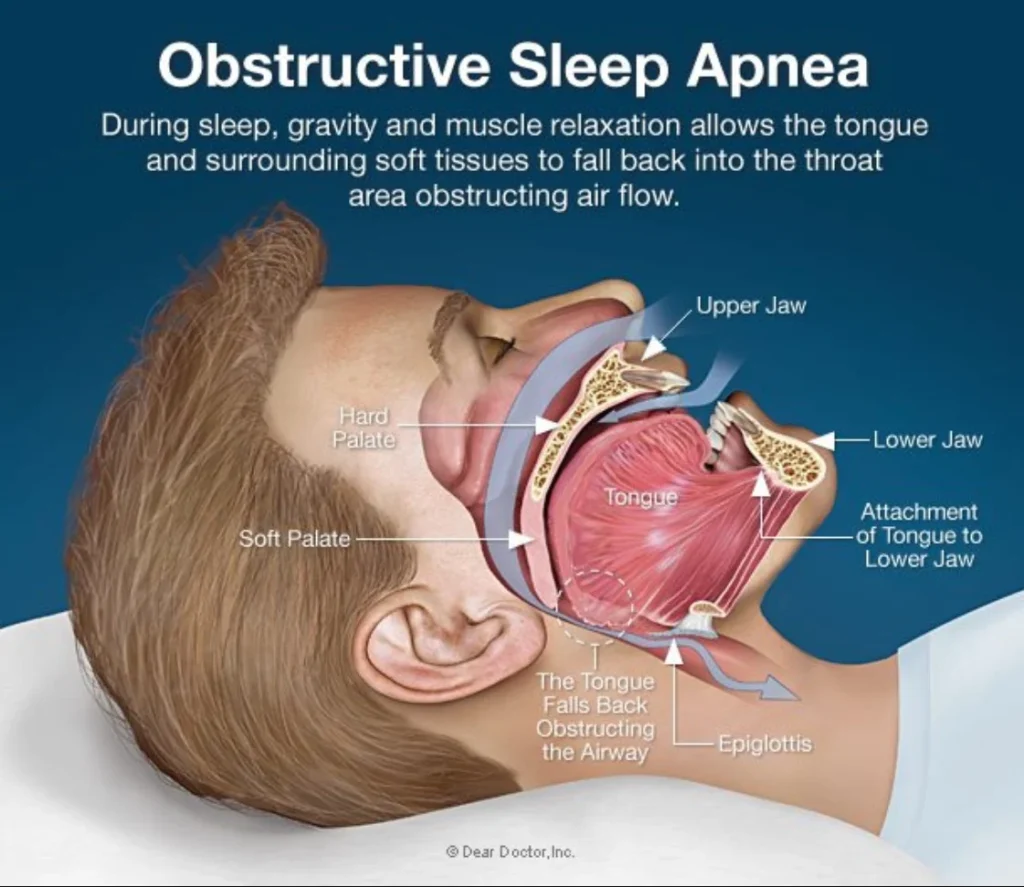
Sometimes it’s simply vibration from relaxed tissues during sleep. Other times, snoring shows up with symptoms that point to obstructive sleep apnea, where breathing can repeatedly narrow or pause. The difference matters.
Quick screening questions you can use tonight
Write down what applies for the last few weeks. This is not a diagnosis. It’s a safety filter.
- Has anyone noticed pauses in breathing, choking, or gasping?
- Do you wake with headaches, dry mouth, or feel unrefreshed?
- Do you fight daytime sleepiness, especially while driving or in meetings?
- Is snoring loud enough to be heard through a door or down a hall?
- Do you have high blood pressure or frequent nighttime bathroom trips?
If several are “yes,” treat that as a prompt to get evaluated rather than stacking gadgets. Sleep apnea is common, and it’s often missed.
Why are experts warning people about mouth-taping?
Mouth-taping went viral because it looks like a quick hack: tape the lips, force nasal breathing, stop snoring. The problem is that “force” is doing a lot of work in that sentence.
General safety concerns get raised because not everyone has clear nasal airflow every night. Congestion, deviated septum, allergies, or reflux can change the picture fast. If someone also has sleep apnea, restricting a natural escape route for airflow can be a bad idea.
Here’s the cultural reality: trends spread faster than screening. If you want the broader context, see this coverage: Scientists warn against viral nighttime mouth-taping trend.
A safer way to think about “sleep hacks”
- If a hack could block breathing, slow reaction time, or worsen anxiety, don’t DIY it.
- If you still want to experiment, start with low-risk levers: schedule, light, caffeine timing, and side-sleeping.
- Track outcomes for 1–2 weeks. One good night proves nothing.
Where does an anti snoring mouthpiece fit in, realistically?
Mouthpieces are popular because they’re simple: wear it, go to bed, see if snoring drops. Many designs work by gently positioning the jaw or tongue to keep the airway more open during sleep.
They’re not magic. Yet for straightforward snoring—especially when it worsens on your back or after alcohol—they can be a reasonable next step.
Who tends to do well with a mouthpiece?
- People with “primary snoring” (snoring without clear apnea red flags).
- Back sleepers who can’t stay on their side all night.
- Travelers dealing with fatigue, dry hotel air, and inconsistent pillows.
- Couples who want a quieter room without turning bedtime into a negotiation.
Who should slow down and screen first?
- Anyone with suspected sleep apnea symptoms (pauses, gasping, heavy sleepiness).
- People with significant jaw pain, loose teeth, or untreated dental issues.
- Those who wake up short of breath or have ongoing nighttime chest symptoms.
What about routines like the “10-3-2-1-0” sleep reset?
Routine frameworks trend because they’re easy to remember. The core idea is usually timing: reduce stimulants, wind down earlier, and remove late-night triggers that fragment sleep.
That matters for snoring too. Fragmented sleep can increase mouth breathing and make you more sensitive to noise. A mouthpiece can help with airflow mechanics, but your routine still controls the environment.
Low-drama routine upgrades that pair well with mouthpieces
- Protect the last hour before bed. Dim lights and avoid stressful scrolling.
- Limit alcohol close to bedtime. It relaxes airway tissues and can worsen snoring.
- Manage nasal congestion. Clear breathing supports quieter sleep.
- Keep a consistent wake time, even after travel days when possible.
How do you reduce risk and document what you’re doing?
If you’re trying to improve sleep health, treat it like a small experiment. That protects you medically and practically. It also reduces “I tried everything” frustration.
A simple 7-night tracking checklist
- Snoring report (from partner or an app): none / mild / loud.
- Morning feeling: refreshed / okay / exhausted.
- Night wakes: 0–1 / 2–3 / 4+.
- Alcohol timing: none / earlier / late.
- Sleep position: mostly side / mostly back / mixed.
- Tool used: mouthpiece yes/no; notes on comfort.
If symptoms worsen, stop and seek medical advice. If improvement is consistent, you’ve got a clearer signal that the approach fits you.
What should you look for in a mouthpiece before you buy?
Comfort and consistency beat “most aggressive” designs. A device you can’t tolerate won’t help sleep quality.
- Fit approach: adjustable vs. fixed. Small adjustments can matter.
- Breathing comfort: you should feel you can breathe normally.
- Material and cleaning: choose something you’ll actually maintain.
- Jaw comfort: mild pressure is one thing; pain is a stop sign.
If you’re comparing options, this is a starting point for anti snoring mouthpiece research.
FAQ: quick answers people ask at 2 a.m.
Medical note: This article is for general education and does not replace medical or dental advice. If you suspect sleep apnea or have severe daytime sleepiness, seek a professional evaluation.
Can an anti snoring mouthpiece help with sleep apnea?
It may help some snoring, but sleep apnea needs proper screening and a clinician-led plan. Don’t self-treat severe symptoms.
Is mouth taping safe for snoring?
Many experts urge caution with viral mouth-taping. Nasal blockage, reflux, and possible sleep apnea can make it risky.
How fast do mouthpieces work?
Some people notice changes immediately. Others need a brief adjustment period for fit and comfort.
What are signs I should get evaluated for sleep apnea?
Pauses in breathing, choking/gasping, loud snoring, morning headaches, and significant daytime sleepiness are common reasons.
Do lifestyle changes matter if I use a mouthpiece?
Yes. Timing alcohol, addressing congestion, and keeping a steady schedule can improve results and sleep quality.
Ready to get a clearer answer than “maybe it helps”?
How do anti-snoring mouthpieces work?
Pick one change, track it for a week, and keep safety first. Quiet sleep is great. Safe sleep is non-negotiable.