
Before you try another snoring fix, run this quick checklist:
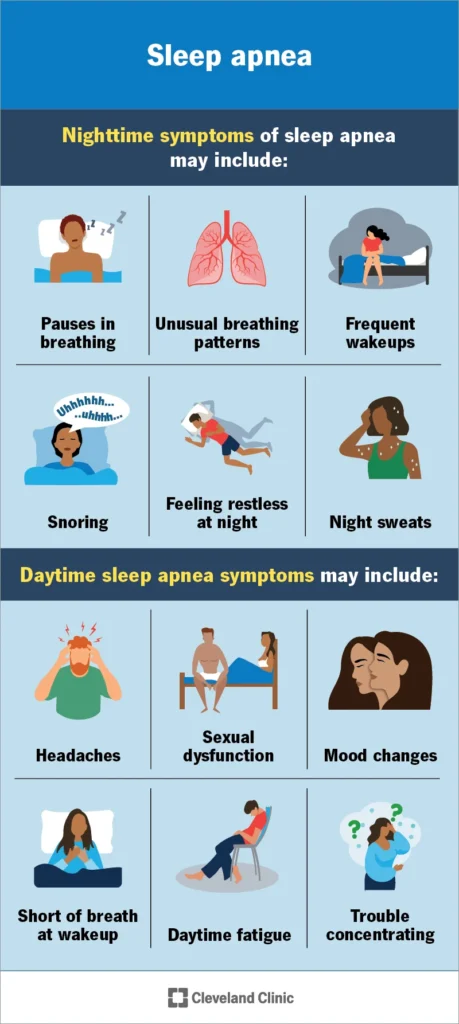
- Is the snoring new, louder, or paired with choking/gasping?
- Are you waking up unrefreshed, foggy, or with morning headaches?
- Is a partner nudging you all night (or sleeping in another room)?
- Did travel, alcohol, allergies, or a recent weight change shift your sleep?
- Do you want a budget-friendly option you can test at home first?
If you checked a few boxes, you’re not alone. Snoring is showing up in everyday conversations again—partly because sleep gadgets are everywhere, and partly because people are burned out and tired of being tired.
What people are talking about lately (and why it matters)
Sleep has become a “performance” category. You’ll hear friends compare scores from wearables, debate nasal strips vs. sprays, and joke about “relationship sleep divorces” after one too many loud nights.
Travel fatigue adds fuel. Red-eye flights, hotel pillows, and dry air can make snoring spike for a week, which makes people reach for quick fixes that don’t require an appointment.
At the same time, recent health coverage keeps circling one point: snoring isn’t always just noise. For some people, it can be a clue that breathing is being disrupted during sleep, including obstructive sleep apnea. There’s also ongoing discussion about different types of sleep apnea (obstructive vs. central) and why getting the right evaluation matters.
What matters medically (without overcomplicating it)
Snoring usually happens when airflow makes soft tissues in the throat vibrate. That can be harmless. It can also sit on the same spectrum as obstructive sleep apnea, where the airway narrows or collapses enough to reduce or pause breathing.
Why the concern? Poor breathing at night can fragment sleep and strain the body over time. Many clinicians also emphasize the connection between sleep-disordered breathing and cardiovascular health. If snoring comes with daytime sleepiness, witnessed pauses, or gasping, it’s worth taking seriously.
Weight can play a role for some people. Recent hospital and health-system guidance often notes that weight loss may reduce the severity of obstructive sleep apnea in certain cases. It’s not a moral issue or a quick fix. It’s simply one factor that can change airway anatomy and inflammation.
If you want a general reference point for red flags, see this resource on How Weight Loss Can Help Your Sleep Apnea.
How to try this at home (without wasting a cycle)
If your goal is a practical first step, focus on changes you can test in a week. Keep it simple, and only change one or two things at a time so you can tell what worked.
Step 1: Reduce the “snore stack”
Snoring often gets worse when multiple small factors pile up. Try these low-cost switches:
- Side-sleeping: Back-sleeping can make the airway more collapsible for some people.
- Alcohol timing: Evening drinks can relax throat muscles and worsen snoring.
- Nasal comfort: Congestion and dry air can increase mouth breathing; consider humidifying your room and addressing allergies.
- Sleep schedule: Sleep deprivation can deepen sleep stages and sometimes intensify snoring.
Step 2: Where an anti snoring mouthpiece can fit
An anti snoring mouthpiece is often used to gently position the jaw or tongue to help keep the airway more open. People like it because it’s portable, doesn’t need batteries, and can be cheaper than many sleep gadgets.
If you’re shopping, start by comparing anti snoring mouthpiece and look for clear details on fit, materials, cleaning, and return policies. Comfort matters. A device you can’t tolerate won’t help your sleep quality.
Quick self-check: If you have significant jaw pain, loose teeth, active gum disease, or major dental work in progress, pause and ask a dental professional before trying a mouthpiece.
Step 3: Track results like a realist
Skip perfection. Track two things for 7–10 nights:
- Partner feedback or a simple snore app: “Better/worse/same” is enough.
- Daytime function: Energy, focus, and morning headaches tell you more than a single sleep score.
If you see no improvement, don’t keep buying new gadgets out of frustration. Switch strategies instead.
When to seek help (so you don’t miss the bigger issue)
Get evaluated by a clinician or a sleep specialist if you notice any of the following:
- Breathing pauses, choking, or gasping during sleep (reported by you or a partner)
- High blood pressure, heart disease concerns, or new palpitations
- Significant daytime sleepiness, drowsy driving risk, or concentration problems
- Morning headaches, mood changes, or waking with a dry mouth frequently
Also consider help if you suspect central sleep apnea or you have complex medical conditions. Different causes can require different solutions, and guessing can waste time.
FAQ: quick answers for common snoring questions
Can a mouthpiece improve sleep quality?
If it reduces snoring or breathing disruptions for you, sleep can feel deeper and more restorative. The key is consistent comfort and correct use.
What if only my partner says I snore?
That still counts. Many people don’t wake fully when they snore, but fragmented sleep can still affect energy and mood.
Are wearables enough to rule out sleep apnea?
Wearables can hint at patterns, but they don’t diagnose sleep apnea. A clinician can recommend appropriate testing if symptoms line up.
Next step: pick one plan and run it for a week
You don’t need a drawer full of half-used sleep gadgets. Choose one practical change (like side-sleeping) and one targeted tool (like a mouthpiece), then measure the outcome.
How do anti-snoring mouthpieces work?
Medical disclaimer: This article is for general information and does not provide medical advice, diagnosis, or treatment. If you suspect sleep apnea or have concerning symptoms, seek care from a qualified clinician.