
Myth: Snoring is just an annoying sound.
Reality: Snoring can be a “sleep quality tax” for both people in the bed—especially when travel fatigue, late-night scrolling, or workplace burnout already have you running on fumes.
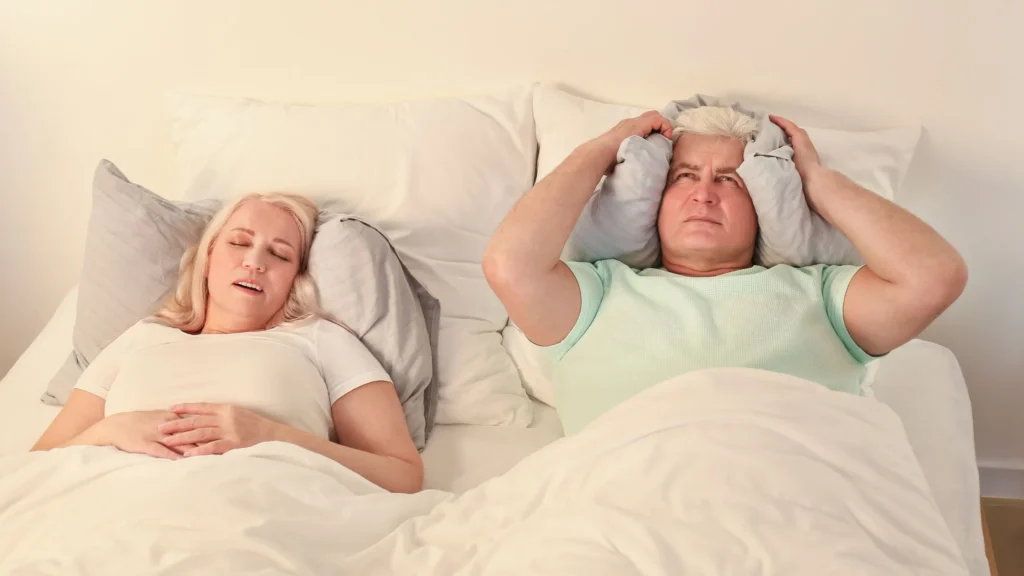
Right now, the conversation is loud: sleep trackers, smart rings, white-noise machines, and mouthpieces keep showing up in wellness feeds. Relationship humor plays a role too. Plenty of couples joke about “sleep divorces” (separate rooms) while quietly shopping for fixes that don’t require a whole new mattress setup.
What people are trying lately (and why it’s trending)
Recent coverage has highlighted practical, clinician-style tips for reducing snoring. At the same time, consumer-style reviews keep asking the same question: does an anti-snoring mouthpiece actually help, or is it another gadget destined for the nightstand drawer?
There’s also growing interest in oral appliances that fit into connected-care ecosystems. Translation: sleep solutions are increasingly being treated like “real health tools,” not just comfort hacks.
What matters medically (snoring vs. something bigger)
Snoring happens when airflow gets turbulent as it moves through relaxed tissues in the throat and mouth. That turbulence creates vibration. The cause can be simple (sleep position, congestion) or more serious.
Snoring can also overlap with obstructive sleep apnea, a condition where breathing repeatedly slows or stops during sleep. If you want a credible overview, see How to stop snoring: 7 tips from a board-certified physician.
Quick reality check: signs you should not ignore
- Loud snoring plus choking, gasping, or witnessed pauses in breathing
- Morning headaches or dry mouth that keeps happening
- Excessive daytime sleepiness, brain fog, or dozing off easily
- High blood pressure or heart risk factors (talk with your clinician)
How to try at home (simple steps that stack)
You don’t need a 12-step biohacking routine. Start with a few high-impact changes, then add tools if you need them.
1) Reset the basics: position, nose, and timing
Side-sleeping often reduces snoring compared with sleeping flat on your back. If you travel a lot, this matters more than people expect because unfamiliar pillows and hotel beds can push you into back-sleeping.
Nasal support can help if congestion is driving mouth breathing. Try a saline rinse or a nasal strip before bed. If allergies are a factor, consider discussing options with a clinician.
Alcohol timing matters. Alcohol close to bedtime can relax airway tissues and make snoring more likely.
2) Where an anti snoring mouthpiece fits
An anti snoring mouthpiece aims to improve airflow by changing what your jaw and tongue do during sleep. Many designs gently bring the lower jaw forward or help keep the mouth positioned to reduce vibration.
Think of it like repositioning a kinked garden hose. You’re not “fixing” the hose forever. You’re improving the pathway while you sleep.
3) Comfort and fit: the ICI basics
People quit mouthpieces for predictable reasons: discomfort, drooling, jaw soreness, or a bulky feel. Use this quick ICI checklist before you give up.
- ICI = Insert: Seat it fully so it doesn’t ride up or pinch gums.
- ICI = Comfort: Start with shorter wear times, then build up over several nights.
- ICI = Increment: If your device allows adjustments, make small changes. Big jumps can irritate the jaw.
4) Pairing tools: mouthpiece + positioning
If your snoring is worse on your back, a mouthpiece alone may not be the full answer. Many sleepers do better by combining jaw support with side-sleep training (a body pillow, backpack trick, or a positional wedge).
5) Cleanup and care (so it doesn’t get gross)
Rinse your mouthpiece after each use and let it air-dry. Use a gentle cleaner recommended by the manufacturer. Avoid harsh hot water that can warp some materials.
When to seek help (and what to ask about)
If you suspect sleep apnea or your symptoms are escalating, don’t try to “out-gadget” the problem. Ask a clinician about a sleep evaluation.
You can also ask about oral appliance therapy and whether you’re a good candidate. Some oral appliances are being studied and integrated into broader connected-care approaches, which may improve follow-up and long-term adherence.
FAQ: fast answers to common mouthpiece questions
Is snoring always a health problem?
No, but it can be a clue. Even “simple snoring” can hurt sleep quality, while snoring with breathing pauses can point to sleep apnea.
Will a mouthpiece stop snoring immediately?
Some people notice a change quickly. Others need a short adjustment period and better positioning habits to see results.
What if I breathe through my mouth at night?
Mouth breathing can worsen snoring for some sleepers. Address nasal blockage and consider supportive options that encourage a better nighttime mouth position.
CTA: a practical option to consider
If you want a simple, at-home tool to test the “jaw position” theory, consider an anti snoring mouthpiece. Pair it with side-sleeping and a consistent wind-down routine for a fair trial.
How do anti-snoring mouthpieces work?
Medical disclaimer: This article is for general education and does not provide medical advice. Snoring can be linked to obstructive sleep apnea and other health conditions. If you have breathing pauses, choking/gasping, significant daytime sleepiness, chest pain, or other concerning symptoms, seek evaluation from a licensed clinician.