
- Snoring is trending again because sleep gadgets are everywhere—and couples are tired of negotiating bedtime.
- Sleep quality is the real target: fewer wake-ups, steadier breathing, and less morning fog.
- An anti snoring mouthpiece is a “tool,” not a miracle. Fit, positioning, and cleanup decide whether it’s usable.
- Travel fatigue and burnout amplify snoring by pushing people into irregular schedules, back-sleeping, and more congestion.
- Red flags matter. Loud snoring plus choking, gasping, or heavy daytime sleepiness deserves medical attention.
What people are talking about right now (and why)
Sleep is having a cultural moment. You see it in wearable scores, “smart” pillows, and the steady stream of new anti-snoring products. Even mainstream news has pointed to ongoing research, including a New clinical trial will test innovative anti-snoring device to tackle sleep disruption.
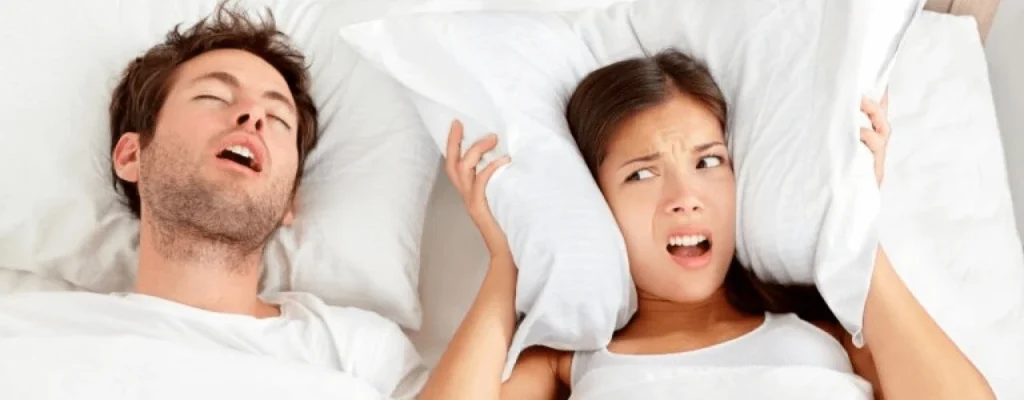
At the same time, list-style sleep advice keeps circulating: quick tips for snoring, “do this tonight” routines, and mouthpiece roundups. That mix makes sense. People want a fast fix, especially after work stress, long flights, or a week of too-late screens. Partners also want their sleep back, and snoring is the kind of problem that turns into relationship comedy until nobody’s laughing.
What actually matters for sleep health (the medical-adjacent basics)
Snoring usually happens when airflow becomes turbulent as tissues in the upper airway relax during sleep. That turbulence creates vibration and noise. The volume can change night to night based on sleep position, alcohol, congestion, and how deeply you sleep.
Here’s the key: snoring can be “simple” snoring, or it can be linked to sleep-disordered breathing like obstructive sleep apnea (OSA). OSA is not something to guess at from a blog post. It’s important because it can affect oxygen levels and sleep architecture.
Signs you shouldn’t ignore
- Pauses in breathing, choking, or gasping during sleep (often reported by a partner)
- Excessive daytime sleepiness, morning headaches, or concentration problems
- High blood pressure or heart risk factors alongside loud snoring
- Snoring that suddenly worsens without an obvious reason
Medical disclaimer: This article is for general education and does not diagnose, treat, or replace care from a licensed clinician. If you suspect sleep apnea or have severe symptoms, seek medical evaluation.
How to try fixes at home (without wasting a month)
If your goal is better sleep quality, treat snoring like a system. You’re testing variables, not chasing hype. Start with the simplest changes, then add tools like mouthpieces if needed.
Step 1: Reduce “easy snore triggers” for 7 nights
- Side-sleep bias: Use a body pillow or a backpack-style trick to discourage back-sleeping.
- Alcohol timing: If you drink, keep it earlier. Late alcohol often worsens snoring.
- Nasal airflow: Address congestion with gentle, non-prescription options you tolerate (saline rinse, shower steam, nasal strips).
- Bedroom rules: Cooler room, darker room, consistent bedtime window.
These aren’t glamorous, but they change the baseline. That makes your next test (like a mouthpiece) easier to judge.
Step 2: Consider an anti-snoring mouthpiece (MAD/TSD basics)
Most anti-snoring mouthpieces fall into two categories:
- Mandibular advancement devices (MADs): Gently position the lower jaw forward to help keep the airway more open.
- Tongue-stabilizing devices (TSDs): Hold the tongue forward to reduce airway blockage from tongue fall-back.
People often choose a mouthpiece because it’s portable, relatively quick to try, and pairs well with travel. If you’re comparing options, start here: anti snoring mouthpiece.
Step 3: Technique matters—fit, comfort, positioning
Most “mouthpiece failures” aren’t about the idea. They’re about execution. Use this checklist:
- Fit: It should feel secure without a death-grip clench. Poor fit leads to drooling, popping loose, or gum irritation.
- Incremental adjustment (if adjustable): More forward isn’t always better. Start conservative and increase slowly if needed.
- Jaw comfort: Expect mild adaptation at first. Sharp pain, persistent soreness, or bite changes are stop signs.
- Sleep position pairing: A mouthpiece plus side-sleeping often beats either one alone.
Step 4: Cleanup and upkeep (so you’ll actually keep using it)
Consistency is what improves sleep quality. Make care simple:
- Rinse immediately after use.
- Brush gently with mild soap; avoid harsh toothpaste unless the brand recommends it.
- Air-dry fully and store in a ventilated case.
- Replace when it warps, cracks, or holds odor even after cleaning.
When to stop DIY and get help
Self-testing is fine for mild snoring. Don’t push through serious symptoms. If you suspect sleep apnea, a clinician can guide testing and evidence-based treatment options.
Get evaluated if you have loud snoring plus breathing pauses, significant daytime sleepiness, or if your partner observes choking/gasping. Also consider help if you have jaw disorders, significant dental issues, or you’re waking with worsening jaw pain.
FAQ: quick answers before you buy
Is a mouthpiece better than a “sleep gadget”?
It depends on the problem. A mouthpiece targets airway mechanics. Many gadgets track sleep or mask sound, which can help awareness but may not reduce snoring.
Can I use one while traveling?
Many people do. Travel can worsen snoring due to fatigue, alcohol, and back-sleeping, so a portable option can be convenient.
What’s a realistic goal?
Think “quieter and fewer wake-ups,” not “perfect silence forever.” Track outcomes with a simple note: bedtime, alcohol, position, and partner feedback.
CTA: make the next step easy
If snoring is dragging down your sleep quality, start with basics tonight and add a mouthpiece when you’re ready to test a targeted tool. When you want a deeper look at options, visit anti snoring mouthpiece.