
Before you try another snoring “hack,” run this checklist.
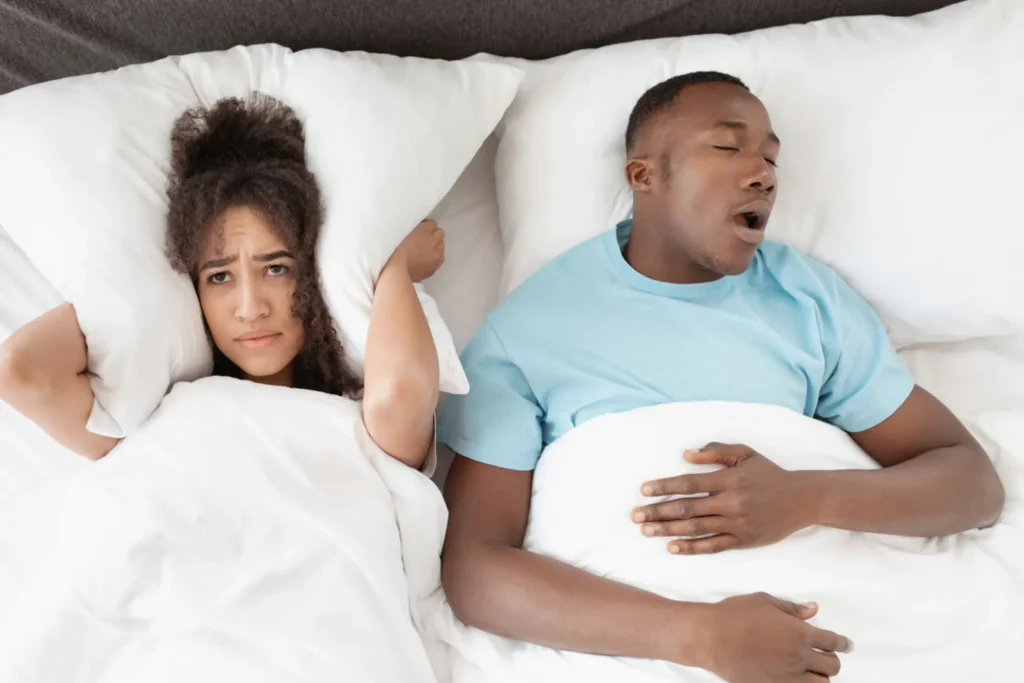
- Is your snoring new, louder than usual, or tied to travel fatigue or burnout?
- Do you wake up unrefreshed, with headaches, dry mouth, or a sore throat?
- Has anyone noticed pauses in breathing, gasping, or choking sounds?
- Are you chasing trends (wearables, smart rings, mouth taping) without a baseline plan?
- Do you want a practical, low-drama way to test an anti snoring mouthpiece safely?
Snoring is having a cultural moment. People joke about “sleep divorces,” pack white-noise machines for work trips, and buy sleep gadgets like they’re upgrading a phone. Under the humor, the goal is simple: better sleep quality and better days.
This guide keeps it grounded. You’ll get a screening-first approach, a step-by-step plan, and common mistakes to avoid.
Overview: why snoring wrecks sleep quality (even if you stay asleep)
Snoring often comes from vibration in the upper airway when airflow gets tight. That noise can wake a partner, but it can also fragment your sleep. Micro-arousals may happen without you remembering them.
Sometimes snoring is just snoring. Other times, it overlaps with obstructive sleep apnea risk. If you want a quick reference point, review Sleep apnea – Symptoms and causes. Keep your takeaways general: persistent loud snoring plus breathing pauses, gasping, or daytime sleepiness deserves screening.
Timing: when to act (and when to get checked first)
Act now if it’s “situational” snoring
Snoring often spikes during busy seasons: late-night work, alcohol at events, or red-eye flights. If the pattern is recent and tied to obvious triggers, start with simple changes and a short trial of a mouthpiece.
Screen first if you see red flags
Don’t let relationship humor hide a medical issue. If you have witnessed breathing pauses, choking/gasping, significant daytime sleepiness, or high blood pressure concerns, prioritize screening. An anti-snoring gadget can’t “outsmart” untreated sleep apnea.
Supplies: what you need for a safer mouthpiece trial
- A realistic goal: fewer snores, fewer wake-ups, better morning energy.
- A simple tracker: notes app or sleep diary (bedtime, alcohol, congestion, side vs back).
- Basic oral comfort items: toothbrush, floss, and a way to rinse after use.
- A mouthpiece approach you can stick with: consider a combined setup if your mouth falls open at night.
If you want a single product option to evaluate, look at this anti snoring mouthpiece. The point is not “more gear.” It’s a cleaner test of whether jaw positioning plus mouth-closure support helps your specific snoring pattern.
Step-by-step (ICI): Identify → Choose → Implement
1) Identify your likely snoring pattern
Use three nights of quick notes. Keep it boring and consistent.
- Position: worse on your back?
- Nasal status: congested, seasonal allergies, dry hotel air?
- Timing: louder after alcohol, heavy meals, or exhaustion?
- Partner feedback: noise only, or pauses/gasping?
This helps you avoid the most common trap: buying a solution for a problem you don’t actually have.
2) Choose a mouthpiece plan that matches the goal
Most anti-snoring mouthpieces aim to improve airflow by changing jaw or tongue position. If your mouth drops open during sleep, snoring can get worse. That’s why some people pair a mouthpiece with a chin strap for support.
Also decide what “success” means. For many couples, success is “quiet enough to share a room” and “less daytime fog,” not perfection.
3) Implement with a two-week ramp (not a one-night verdict)
- Nights 1–3: wear for a short period before sleep to get used to the feel.
- Nights 4–7: wear through the night if comfortable; keep your notes.
- Week 2: compare to your baseline. Look for fewer awakenings and fewer partner nudges.
Stop the trial if you develop jaw pain, tooth pain, headaches, or worsening sleep. Comfort matters because consistency is the real “secret sauce.”
Mistakes people make (especially during gadget season)
Using trends as a substitute for screening
Sleep culture moves fast. One week it’s a new wearable score; another week it’s mouth taping. If you suspect sleep apnea, don’t treat internet trends like medical clearance.
Expecting a mouthpiece to fix lifestyle-driven snoring
If snoring spikes after alcohol, heavy late meals, or severe sleep debt, address those levers too. A mouthpiece may help, but it won’t erase the trigger.
Ignoring fit and pain signals
“Toughing it out” backfires. Pain can lead to poor sleep and inconsistent use. Document symptoms and pause if problems show up.
Changing five variables at once
People often add a mouthpiece, a new pillow, nasal strips, a supplement, and a new bedtime in the same week. Then they can’t tell what worked. Keep your test clean.
FAQ
Is snoring always a sign of sleep apnea?
No. Many people snore without sleep apnea, but loud frequent snoring plus choking/gasping, daytime sleepiness, or witnessed breathing pauses should be screened.
Do anti-snoring mouthpieces work for everyone?
They can help many people who snore due to airway narrowing, especially when jaw position matters. Results vary by anatomy, sleep position, and nasal congestion.
Is mouth taping safe for snoring?
It’s a trend, but it isn’t a fit for everyone. If you have nasal blockage, reflux risk, anxiety, or possible sleep apnea, talk with a clinician before trying it.
How long does it take to get used to a mouthpiece?
Many people adapt over several nights to a couple of weeks. Start gently and stop if you develop jaw pain, tooth pain, or headaches.
Can a mouthpiece replace a CPAP?
Not automatically. CPAP is a common treatment for diagnosed obstructive sleep apnea. Mouthpieces may be an option for some cases, but that decision should be clinician-guided.
Next step: a simple, trackable trial
If your goal is quieter nights and better sleep quality, run a two-week test with one change at a time. Keep notes. Get screened if red flags are present. Then choose tools that match your pattern, not the trend cycle.
How do anti-snoring mouthpieces work?
Medical disclaimer: This article is for general education only and is not medical advice. Snoring can be associated with obstructive sleep apnea and other health conditions. If you have breathing pauses during sleep, choking/gasping, significant daytime sleepiness, chest pain, or concerns about your health, seek evaluation from a qualified clinician.