
Before you try another sleep “hack,” run this quick checklist:
- Safety first: Do you ever wake up choking, gasping, or with a racing heart?
- Daytime reality check: Are you tired even after a full night in bed?
- Position pattern: Is snoring worse on your back or after alcohol?
- Nose status: Can you breathe comfortably through your nose at night?
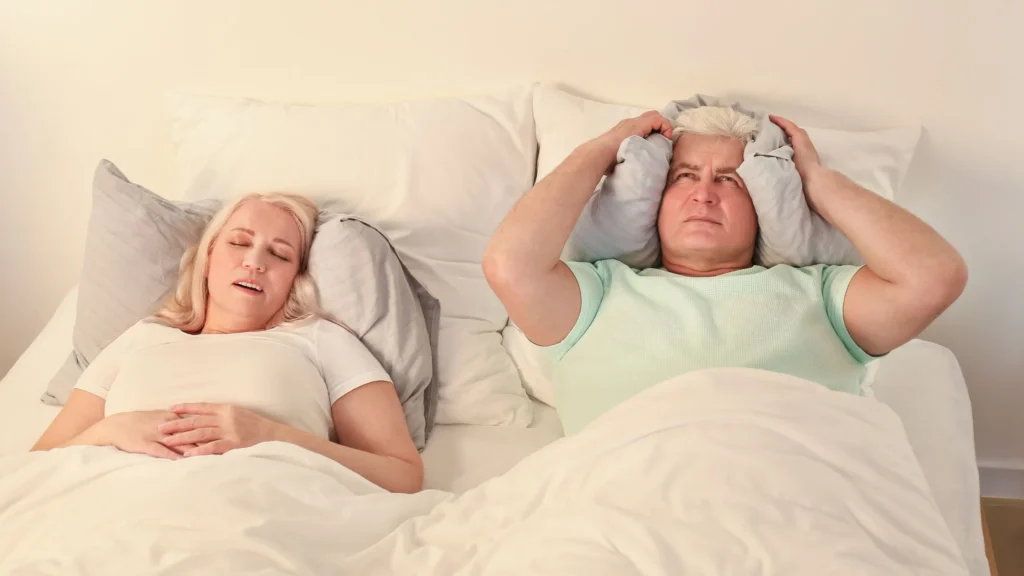
- Relationship impact: Is your partner “joking” about the couch… but not really joking?
Snoring is having a moment again. Between sleep trackers, viral bedtime gadgets, and the mouth-taping trend getting pushback in the news, people are looking for fixes that feel modern and simple. The goal is still the same: quieter nights and better sleep quality without creating new problems.
A grounded take on what’s trending (and what to skip)
Sleep gear is everywhere right now. Some of it is helpful. Some of it is just loud marketing wrapped in “biohacking” language.
One trend that keeps popping up is taping the mouth shut to force nasal breathing. Recent coverage has highlighted why doctors caution against this for many people, especially if nasal airflow isn’t reliable or if sleep apnea is a possibility. If you’re curious about the concerns, start here: Why Doctors Say You Shouldn’t Tape Your Mouth Shut at Night.
If your snoring is frequent, loud, or paired with daytime sleepiness, don’t treat it like a quirky habit. It can be a sign of a bigger sleep-breathing issue. A clinician can help you sort out what’s going on.
The decision guide: If…then… what to do next
Use the branches below to pick a next step that matches your situation. This is about reducing trial-and-error, not chasing the newest gadget.
If your snoring is mainly “back-sleeping snoring,” then start with positioning
If the noise spikes when you roll onto your back, posture is a big lever. Side-sleeping, a supportive pillow, and simple positional cues can help reduce airway collapse for some people.
Travel makes this worse. Jet lag, unfamiliar mattresses, and neck angles can turn a mild snorer into a nightly foghorn.
If you wake up with a dry mouth, then mouth-breathing may be part of it
Dry mouth often points to sleeping with your mouth open. That can increase vibration in the soft tissues and make snoring louder.
In that case, an anti snoring mouthpiece may help by improving jaw position and supporting a more stable airway. Some people also like a chinstrap to discourage jaw drop, especially during deeper sleep.
If you suspect jaw position is the issue, then consider an anti-snoring mouthpiece
Many anti-snoring mouthpieces work by gently guiding the lower jaw forward. That can reduce tissue collapse and vibration in the throat for certain snorers.
Fit matters more than hype. A device that’s slightly off can cause soreness, drooling, or constant wake-ups. Comfort is not a luxury here. Comfort is compliance.
If you want a combined approach, look at an anti snoring mouthpiece. It’s a practical option for people who notice their jaw falling open during sleep.
If congestion is driving the problem, then fix airflow first
If you can’t breathe through your nose, you’ll default to mouth-breathing. That’s true even with the best mouthpiece in the world.
Think basics: allergy control, bedroom humidity, and avoiding irritants. If nasal blockage is persistent, a clinician can help identify the cause.
If you have red-flag symptoms, then don’t self-experiment
Some snoring is just snoring. Some snoring is a warning sign. Consider a medical screening if you notice:
- Gasping, choking, or pauses in breathing (reported by a partner)
- Morning headaches or high blood pressure
- Strong daytime sleepiness, “microsleeps,” or brain fog
This matters for health and safety, including driving and workplace fatigue. Burnout gets blamed on stress, but poor sleep can quietly amplify it.
Tools & technique: make a mouthpiece easier to live with
People quit mouthpieces for predictable reasons: discomfort, gagging, drooling, or jaw soreness. A few technique tweaks can improve the odds.
Start low and slow (comfort beats hero mode)
If your mouthpiece has adjustable advancement, begin conservatively. Give your jaw time to adapt. Small changes often work better than one big jump.
Dial in positioning before you judge results
A good fit should feel secure without clamping. You want stable contact and minimal pressure points. If you wake up feeling like you fought your mouthpiece all night, the setup needs work.
Cleanup that doesn’t ruin the device
Rinse after use, wash gently, and air-dry. Avoid harsh cleaners and hot water unless the instructions specifically allow it. A simple routine keeps odors down and materials in better shape.
FAQ: quick answers people are asking right now
Do anti-snoring mouthpieces work for everyone?
No. They’re most promising when snoring relates to jaw position or mouth opening, and less reliable when congestion or a medical sleep disorder is the main driver.
Is snoring always sleep apnea?
No, but it can be. If snoring is loud and frequent or comes with gasping, daytime sleepiness, or other red flags, get evaluated.
Is mouth taping a safer alternative?
It isn’t automatically safer. If nasal breathing isn’t dependable, taping can backfire. Many clinicians recommend caution, especially when sleep apnea is possible.
How long until a mouthpiece feels normal?
Often several nights to a couple of weeks. Gradual adjustment and correct fit make the biggest difference.
Will a mouthpiece stop snoring completely?
Sometimes it reduces volume more than it eliminates it. For couples, even a meaningful reduction can be a win.
CTA: pick the next step you’ll actually stick with
Snoring fixes don’t have to be dramatic to work. The best approach is the one that matches your snoring pattern, protects your sleep quality, and feels comfortable enough to use consistently.
How do anti-snoring mouthpieces work?
Medical disclaimer: This article is for general education only and is not medical advice. Snoring can be a symptom of a sleep-related breathing disorder. If you have choking/gasping, witnessed pauses in breathing, significant daytime sleepiness, or other concerning symptoms, seek evaluation from a qualified clinician.