
Snoring has become the punchline of modern life. Sleep trackers, “viral” sleep hacks, and travel fatigue all make it louder—sometimes literally.
You want a fix that doesn’t turn bedtime into a science fair.
This guide helps you decide if an anti snoring mouthpiece fits your situation—and how to make it comfortable enough to actually use.
A quick reality check: snoring isn’t just noise
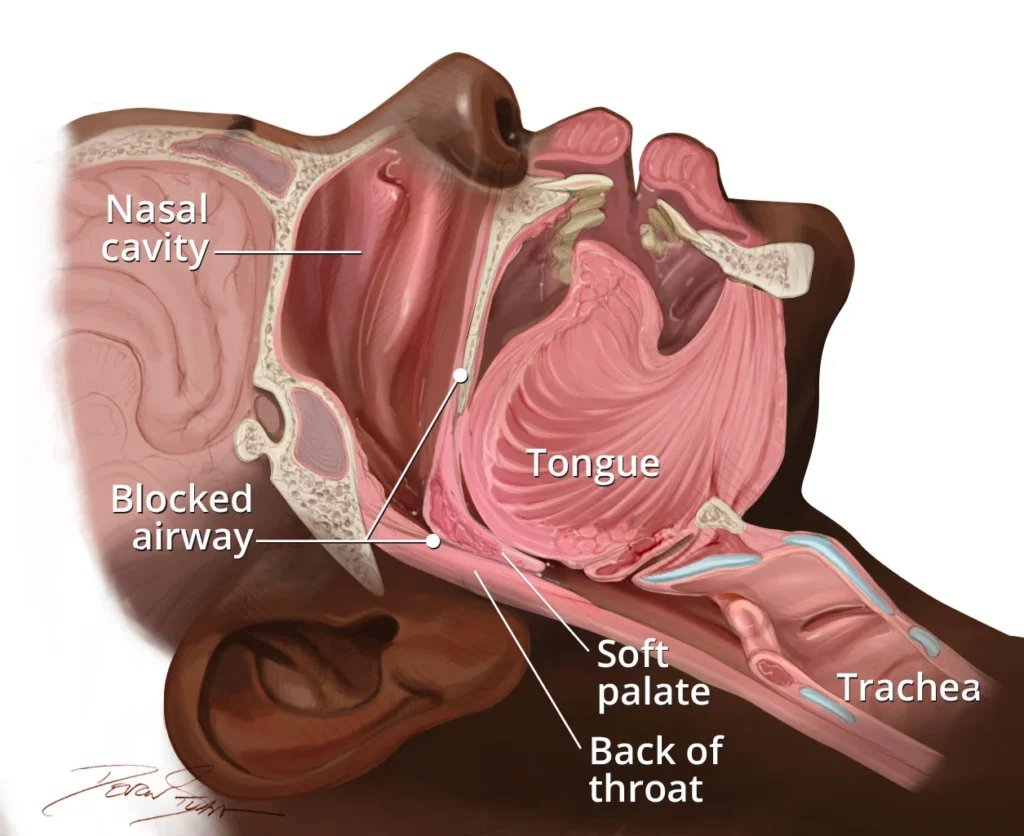
Snoring usually happens when airflow gets turbulent and soft tissues vibrate. That can come from jaw position, tongue position, nasal blockage, sleep posture, or plain exhaustion.
It’s also why couples joke about “separate bedrooms” right up until the next workday hits. Bad sleep doesn’t stay in the bedroom. It follows you into meetings, workouts, and mood.
If…then…: choose your next step (no guessing)
If your snoring is mostly positional, then start with posture + mouthpiece
If snoring spikes when you’re on your back, you’re not alone. Many people notice it after long flights, hotel pillows, or late nights during busy weeks.
Then: Try side-sleep support (pillow tweaks, a backpack/tennis-ball style deterrent, or a body pillow) and consider an anti snoring mouthpiece. Together, they often beat “one magic gadget” thinking.
If your partner says you stop breathing, then skip the hacks and get evaluated
Snoring can be harmless. It can also overlap with sleep apnea. Some recent health coverage has pushed this point, especially around symptoms people ignore.
Then: Talk to a clinician or sleep specialist. Don’t rely on a mouthpiece, mouth tape, or a wearable to “prove” you’re fine.
If you’re tempted by mouth tape, then read the fine print first
Mouth taping is having a moment in sleep culture. The idea is simple: encourage nasal breathing. The risk is also simple: it can be a bad match if your nose isn’t clear or if you might have sleep-disordered breathing.
Then: Treat it as a “maybe,” not a default. If you want a starting point for the conversation, skim this general explainer on Mouth Tape for Sleep: Benefits, Risks, and How to Use It Safely. If you have congestion, panic at the idea, or any apnea concerns, ask a clinician before trying it.
If your issue is “jaw drops open,” then consider a combo approach
Some snorers do fine until the mouth falls open. Dry mouth shows up. So does louder snoring.
Then: Look at a mouthpiece plus a supportive strap option, especially if you wake up parched. A snug-but-not-tight fit matters more than brute force.
If you bought a mouthpiece and hated it, then fix comfort first (not willpower)
Most failures come from pressure points, too-fast ramp-up, or poor cleaning. It’s rarely about “not trying hard enough.”
Then: Use a short adaptation plan:
- Ramp-up: Wear it for 30–60 minutes while winding down for 2–3 nights, then sleep with it.
- Positioning: Aim for gentle jaw guidance. Pain is a stop sign.
- Dryness: Hydrate earlier in the day and consider a humidifier if your room is dry.
How anti-snoring mouthpieces fit into sleep health (the part trends miss)
Sleep trends love a single “hero” solution: a ring, a tape, a light, a sound machine, a viral routine. Real sleep health is usually a stack of small wins.
An anti snoring mouthpiece is a tool. It works best when you also reduce the stuff that makes snoring louder: alcohol close to bedtime, severe sleep debt, and back-sleeping in a pillow setup that collapses your airway.
Technique basics: ICI for better comfort
Think ICI: Insert, Comfort, Inspect. Simple, repeatable, and travel-friendly.
Insert: set yourself up before you click it in
Brush your teeth, rinse the device, and make sure your nose feels clear enough to breathe comfortably. If you’re congested, address that first.
Comfort: aim for “secure,” not “cranked down”
You should feel gentle guidance, not jaw strain. If you wake with soreness, reduce how aggressively you’re positioning your jaw (or stop and reassess).
Inspect: morning check for clues
Look for gum irritation, tooth pressure spots, or new jaw clicking. Those are signals to adjust, pause, or seek professional guidance.
Cleanup that keeps you consistent (and keeps it from getting gross)
Rinse after each use. Clean daily with a mild soap and cool water unless your product instructions say otherwise.
Let it dry fully before storing. A damp case turns into a smell fast, especially after work travel.
FAQs (quick answers)
What does an anti snoring mouthpiece do?
Most designs gently reposition the jaw or stabilize the tongue to keep the airway more open, which can reduce vibration (snoring).
How do I know if my snoring could be sleep apnea?
Red flags include choking/gasping, witnessed breathing pauses, heavy daytime sleepiness, and morning headaches. If these show up, get evaluated.
Is mouth taping a safe alternative to a mouthpiece?
It’s a trend, but it isn’t right for everyone. If you have nasal congestion, anxiety, or possible sleep apnea, talk to a clinician before trying it.
How long does it take to get used to a mouthpiece?
Many people adapt over several nights to a couple of weeks. A slow ramp-up and proper cleaning help comfort.
Can a mouthpiece help if my snoring is worse after travel or burnout?
It can, especially when snoring is tied to back-sleeping, dry air, or fatigue. Pair it with simple sleep setup fixes for best results.
CTA: a practical product option to consider
If you want a straightforward option that targets snoring and open-mouth breathing, look at this anti snoring mouthpiece.
How do anti-snoring mouthpieces work?
Medical disclaimer: This article is for general education only and isn’t medical advice. Snoring can be a sign of sleep apnea or other health issues. If you have breathing pauses, choking/gasping, chest pain, severe daytime sleepiness, or concerns about heart risk, seek medical evaluation promptly.