
Five fast takeaways before you try another snore hack:
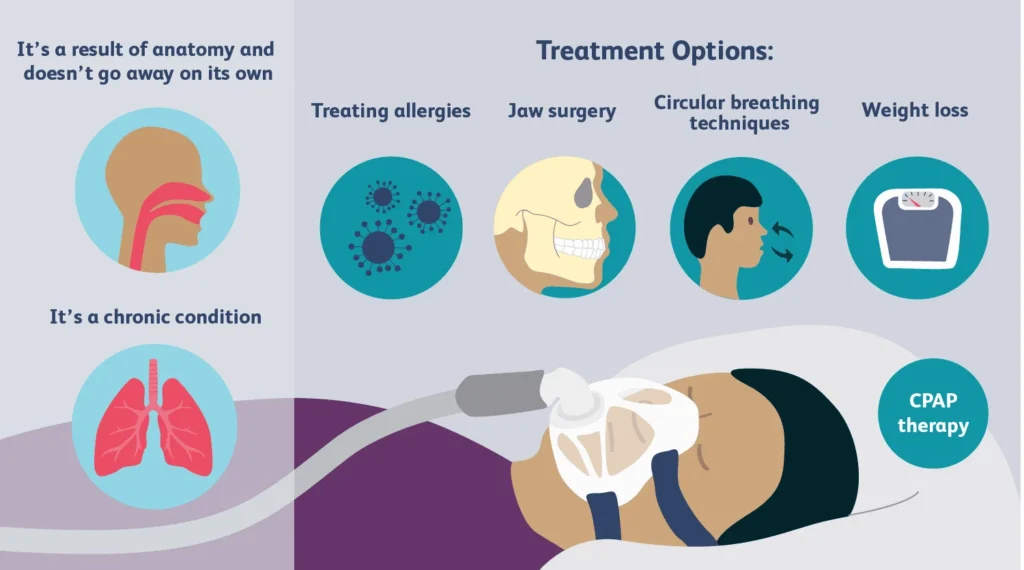
- Viral fixes come and go; your airway still follows basic anatomy.
- Snoring can be “just snoring,” but it can also overlap with sleep apnea symptoms.
- Travel fatigue, burnout, and alcohol can turn mild snoring into a nightly event.
- An anti snoring mouthpiece is a common, non-invasive option for many snorers.
- If you notice choking, gasping, or extreme daytime sleepiness, don’t DIY it—get evaluated.
What people are trying lately (and why it’s everywhere)
Snoring has become a full-on “sleep trend” topic. Social feeds are packed with gadgets, wearables, and quick-fix routines. Couples joke about separate bedrooms like it’s a relationship upgrade. Meanwhile, work stress and late-night scrolling push bedtimes later, then make sleep feel lighter and more fragile.
One hack getting a lot of attention is mouth taping. It’s promoted as a simple way to “force nasal breathing” and quiet snoring. The problem is that simple doesn’t always mean safe or appropriate. If your nose is blocked or you have an untreated breathing issue, restricting mouth breathing can be risky.
If you want a general overview of the debate, see this coverage on Taping your mouth shut to stop snoring is a thing — but is it safe? Experts weigh in.
What matters medically (snoring vs. a bigger sleep issue)
Snoring happens when airflow becomes turbulent and vibrates soft tissues in the upper airway. That can be influenced by sleep position, alcohol, congestion, weight changes, and jaw or tongue position. It can also be worse during stressful weeks, after long flights, or when you’re running on fumes.
Snoring is also a common companion topic to sleep apnea. You can’t diagnose sleep apnea from a blog post, but you can watch for patterns that deserve attention. Consider getting evaluated if you notice loud snoring plus any of the following: witnessed pauses in breathing, choking or gasping, morning headaches, high daytime sleepiness, or difficulty concentrating.
Think of it this way: snoring is noise; sleep apnea is a breathing problem. Sometimes they overlap. Sometimes they don’t.
What you can try at home (low-drama, high-signal steps)
Step 1: Reduce the “snore amplifiers” for a week
Make it a short experiment, not a personality change. Try side sleeping, cut alcohol close to bedtime, and address nasal stuffiness if it’s obvious. If travel is messing with your sleep, prioritize a consistent wind-down routine for a few nights after you get home.
Step 2: Consider an anti snoring mouthpiece instead of risky hacks
An anti snoring mouthpiece is designed to support airflow by changing jaw position or stabilizing the mouth area during sleep. Many people prefer this route because it’s non-surgical and doesn’t rely on restricting breathing. Fit and comfort matter a lot, so choose a design that’s meant for overnight wear.
If you’re comparing options, you can look at an anti snoring mouthpiece as one approach. The goal is simple: less vibration, steadier airflow, and fewer wake-ups for you (and anyone within earshot).
Step 3: Track outcomes that reflect sleep quality, not just volume
Noise is what your partner notices. Sleep quality is what your body remembers. For two weeks, jot down: number of wake-ups, morning dry mouth, morning energy, and whether you’re dozing off during the day. Those signals help you decide if your plan is working.
When to stop experimenting and get help
Home trials are fine for uncomplicated snoring. Don’t stretch them out if red flags show up. Seek medical advice if you have loud nightly snoring with choking/gasping, observed breathing pauses, significant daytime sleepiness, or high blood pressure concerns.
Also get help if a mouthpiece causes persistent jaw pain, tooth pain, or headaches. Comfort issues are common early on, but pain that escalates isn’t something to “push through.”
FAQ: quick answers people want before bed
Is mouth taping a good idea for snoring?
It’s a popular trend, but it’s not right for everyone. If nasal breathing is limited, taping can be unsafe. When in doubt, ask a clinician and consider lower-risk options first.
What if my snoring is worse when I’m burned out?
That’s common. Stress can fragment sleep and change muscle tone and breathing patterns. Focus on consistent sleep timing, alcohol timing, and a snoring tool that supports airflow rather than “forcing” behavior.
Can a mouthpiece help relationship sleep drama?
Often, yes—because it targets the sound source. It also reduces the “nightly negotiation” about who sleeps where, which can matter as much as decibels.
Next step
If you want a simple explanation before you buy anything, start here:
How do anti-snoring mouthpieces work?
Medical disclaimer: This article is for general education only and isn’t medical advice. It does not diagnose or treat any condition. If you suspect sleep apnea or have severe symptoms, talk with a qualified healthcare professional.