
Myth: If you snore, you just need the newest viral sleep hack.
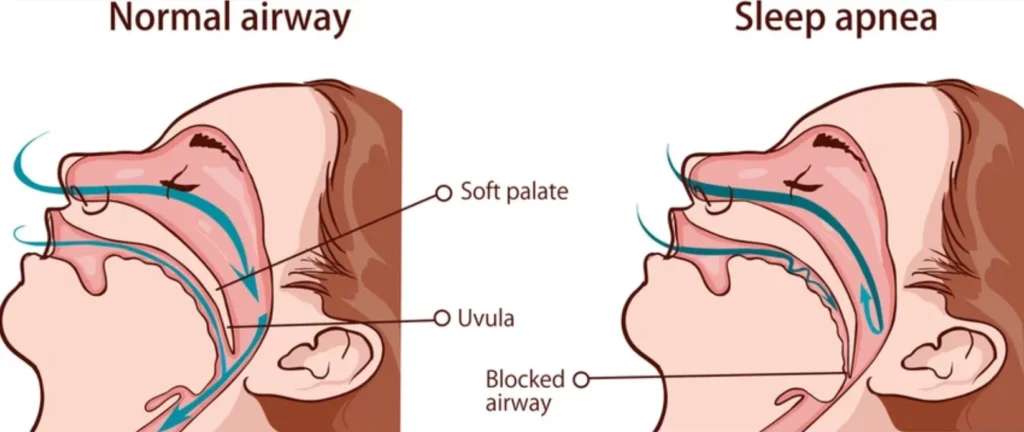
Reality: A lot of “quick fixes” are loud online and shaky in real life. If you want better sleep quality, start with safer basics and use tools that match the problem—like an anti snoring mouthpiece when airway position is the likely culprit.
Overview: why snoring is a sleep-quality problem (not just a noise issue)
Snoring isn’t only a relationship punchline. It can fragment sleep for both people in the room. That ripple shows up the next day as brain fog, irritability, and the kind of “workplace burnout” vibe people keep talking about.
Recent chatter about mouth taping highlights a bigger point: not every sleep gadget trend is low-risk. If breathing is the issue, you want a solution that supports airflow rather than forcing it.
For a general read on the current debate, see this coverage on Why Doctors Say You Shouldn’t Tape Your Mouth Shut at Night.
Timing: when to try a mouthpiece (and when to pause)
Use a mouthpiece when your snoring seems position-related. Common clues include louder snoring on your back or improvement when your head and neck are better aligned.
Pause and get medical advice if you suspect sleep apnea or another breathing disorder. Red flags include gasping, choking awakenings, morning headaches, or severe daytime sleepiness.
If you’re in a “travel fatigue” stretch—late flights, hotel beds, weird time zones—keep expectations realistic. A mouthpiece can reduce snoring noise, but it won’t replace solid sleep timing and recovery.
Supplies: what you need for a clean, comfortable setup
- Mouthpiece: choose a reputable design that’s intended for snoring, not a random novelty gadget.
- Mirror + good light: helps with fit checks and jaw positioning.
- Mild soap + soft brush: for gentle daily cleaning.
- Ventilated case: dry storage reduces odor and buildup.
- Optional: saline rinse or humidifier if nasal dryness is part of your snoring pattern.
If you’re shopping, start here: anti snoring mouthpiece.
Step-by-step (ICI): the practical mouthpiece routine
This is the no-drama approach: ICI = Inspect, Comfort, Integrate. It keeps you focused on fit, feel, and real-world use.
1) Inspect: check fit, bite, and airflow
Before bed, look for rough edges, cracks, or warping. Then do a quick test: insert the mouthpiece and breathe normally through your nose. You want steady airflow without strain.
Pay attention to jaw position. A good fit feels supportive, not forced. If your jaw feels yanked forward, you’re more likely to quit after two nights.
2) Comfort: reduce pressure points and dry-mouth triggers
Start with short wear windows while you wind down. Try 20–30 minutes while reading or doing a low-stimulation routine. This helps your jaw and facial muscles adapt.
If you wake with a desert-dry mouth, don’t automatically assume you need a “mouth-closed” hack. Nasal stuffiness, room dryness, and alcohol can all push mouth breathing.
3) Integrate: pair the mouthpiece with sleep hygiene that actually sticks
People love big resets—new trackers, new supplements, new everything. A simpler plan works better:
- Cut the late-night stimulants: caffeine and heavy meals close to bed can worsen fragmentation.
- Protect a buffer zone: dim lights and reduce scrolling to avoid a second wind.
- Side-sleep support: a pillow strategy can reduce back-sleep time, which often amplifies snoring.
- Consistent wake time: especially helpful during daylight savings shifts and high-stress weeks.
This is also where relationship humor belongs: make it a shared experiment, not a blame game. “Let’s test what lowers the snore score” lands better than “You kept me up again.”
Mistakes to avoid (the stuff that derails results)
Chasing risky trends instead of fixing airflow
If your nose is blocked, forcing your mouth shut can backfire. The safer move is to address congestion and talk with a clinician if breathing feels restricted.
Over-tightening or over-advancing on night one
More forward positioning isn’t always better. Comfort matters because consistency is the real “secret.” If you can’t tolerate it, you won’t use it.
Skipping cleanup until it smells weird
Daily rinse and gentle cleaning prevents buildup. It also makes the device feel less like a chore, which improves long-term use.
Ignoring warning signs
Stop using the device and get guidance if you develop jaw pain that persists, tooth pain, bite changes, or worsening sleep. Snoring can overlap with medical conditions that need proper evaluation.
FAQ: quick answers on snoring, mouthpieces, and sleep health
Is snoring always a sign of sleep apnea?
No. Snoring is common and can be benign, but it can also be a symptom of sleep-disordered breathing. If you have concerning symptoms, get evaluated.
Will a mouthpiece help if I wake up around 3 a.m.?
Maybe, if snoring or breathing disruptions are waking you. But 3 a.m. wake-ups can also come from stress, light exposure, alcohol, or temperature changes.
Can I combine a mouthpiece with other sleep gadgets?
Yes, but keep it simple. A humidifier, nasal care, and a consistent bedtime routine often pair well. Avoid stacking multiple new changes in the same week.
CTA: choose a safer, repeatable plan
If you’re done experimenting with loud trends and want a practical tool, focus on comfort, positioning, and basic sleep hygiene. A well-chosen mouthpiece can be a straightforward step toward quieter nights and better sleep quality.
How do anti-snoring mouthpieces work?
Medical disclaimer: This article is for general information only and isn’t medical advice. Snoring can be linked to sleep apnea and other health conditions. If you have gasping, choking, significant daytime sleepiness, chest pain, or persistent insomnia, talk with a qualified clinician.