
Myth: Snoring is just a funny quirk—annoying, but harmless.
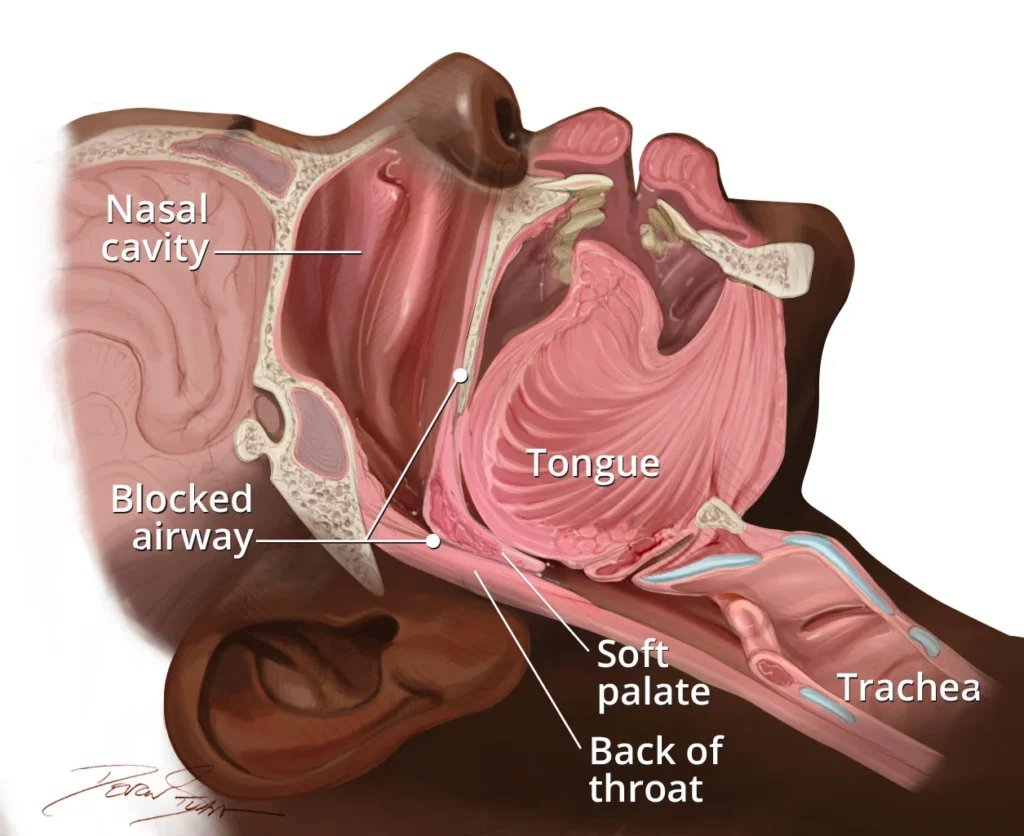
Reality: Snoring often signals airflow friction. That can wreck sleep quality for two people at once. It can also overlap with bigger issues, including sleep apnea symptoms that deserve medical attention.
The big picture: why snoring is suddenly everyone’s topic
Sleep has become a full-on “gear” category. People compare trackers, smart rings, white-noise machines, mouth tape, and sunrise lamps like they’re choosing headphones. Add travel fatigue, late-night scrolling, and workplace burnout, and it’s no surprise snoring is getting extra airtime.
There’s also the relationship factor. Snoring is one of those “we can laugh about it tomorrow” problems—until it becomes a nightly negotiation about pillows, guest rooms, and who has the early meeting.
The human side: what snoring does to mood, focus, and relationships
When sleep gets chopped up, everything feels louder. Patience runs thin. Cravings spike. Even minor stressors can land harder.
If you’re the snorer, you may feel embarrassed or defensive. If you’re the listener, you may feel trapped. Both reactions are normal. The goal is a plan that’s practical and doesn’t waste a full month of trial-and-error.
A no-waste plan: what to try first at home
Before you buy another gadget, run a quick “cheap fixes first” checklist. You’ll learn what kind of snoring you’re dealing with and what actually moves the needle.
1) Change the setup, not your whole life
Snoring often gets worse on your back. Many people do better on their side. If you want a credible overview, see this Sleep apnea – Symptoms and causes guidance.
Try a body pillow or a backpack-style “don’t roll onto your back” trick for a week. It’s not glamorous. It’s also cheap and informative.
2) Clear the airway variables you can control
Snoring can spike when your nose is blocked. Dry rooms, allergies, and colds all matter. Hydration and a comfortable humidity level can help some people.
Also consider timing. Alcohol close to bedtime can relax airway tissues. Heavy late meals can make sleep feel more restless too.
3) Do a quick pattern check (two nights, not two months)
Keep it simple. Ask: Is it worse after travel? Worse when you’re exhausted? Worse on your back? If a partner can record a short clip, that’s useful data for you—and for a clinician if you later need one.
Where an anti snoring mouthpiece fits (and why it’s trending)
If position tweaks and basic airway support don’t cut it, an anti snoring mouthpiece is a common next step because it’s relatively accessible. Most designs aim to reduce airway collapse by gently repositioning the lower jaw forward (or stabilizing the tongue) so airflow stays smoother.
People like mouthpieces because they’re a “try it at home” option. That matches the current health trend: small, testable changes instead of a full lifestyle overhaul. It also fits a budget lens—especially compared with cycling through multiple sleep gadgets that don’t address airflow.
How to choose without overspending
- Start with your goal: reduce volume, reduce frequency, or improve partner sleep. These are different wins.
- Look for adjustability: A tiny change in jaw position can affect comfort and results.
- Prioritize comfort: The “best” device is the one you can actually wear at 2 a.m.
If you’re comparing products, here are anti snoring mouthpiece to review in one place.
Safety and reality checks: when to pause and get medical help
Snoring can be harmless, but it can also show up alongside sleep apnea. In general terms, get checked if you notice loud frequent snoring plus choking/gasping, morning headaches, high daytime sleepiness, or your partner reports breathing pauses.
Also slow down if you have jaw pain, TMJ issues, loose crowns/bridges, or ongoing tooth pain. Mouthpieces change forces in the mouth. Comfort matters, and dental guidance can prevent avoidable problems.
A simple “test and decide” timeline
- Week 1: Sleep position experiment + reduce obvious triggers (like alcohol close to bed).
- Week 2: If snoring persists, trial a mouthpiece consistently and track comfort.
- Anytime: If red flags for sleep apnea show up, book a clinical evaluation.
Medical disclaimer
This article is for general education only and is not medical advice. It does not diagnose, treat, or cure any condition. If you suspect sleep apnea or have severe symptoms, talk with a qualified clinician.
Quick next step
If you want the plain-language explanation before you buy anything, start here: