
Jules booked a red-eye to save money. The next morning, they showed up to a video meeting with “travel face,” a third coffee, and a partner texting: “You snored like a leaf blower.”
That’s the vibe right now. People are buying sleep trackers, testing new bedtime routines, and joking about separate bedrooms—because everyone’s tired. If you want a practical, at-home plan that doesn’t waste another pay cycle, start here.
First, know what you’re solving: noise vs. recovery
Snoring can be “just” snoring. It can also be a hint that airflow is getting restricted during sleep. Either way, the real goal is better sleep health: fewer wake-ups, better morning energy, and less friction at home.
Also, sleep content is everywhere lately—“successful people” routines, new gadgets, and wellness trends. The useful takeaway is simple: small changes can matter fast, but only if you pick the right change for your situation.
The no-waste decision guide (If…then…)
Use these branches to decide what to do next. Don’t buy three random products and hope for a miracle.
If your snoring is occasional (travel, late nights, burnout weeks)…
Then treat it like a short-term sleep quality problem first. Try two weeks of basics before you spend more.
- Pick a consistent sleep and wake time most days.
- Keep the room cool, dark, and quiet.
- Cut alcohol close to bedtime (it can relax airway muscles).
- Wind down without doom-scrolling or work messages.
Why this matters: when you’re overtired, your sleep can get lighter and more fragmented. That can make snoring feel louder, even if the root cause is temporary.
If you mostly snore on your back…
Then start with position. Side-sleeping often reduces snoring for back-sleepers. It’s the cheapest lever you have.
If side-sleeping helps but doesn’t solve it, a mouthpiece may be worth considering, especially if your partner is still nudging you at 2 a.m.
If you wake with dry mouth, sore throat, or your partner reports “chainsaw” snoring…
Then consider an anti snoring mouthpiece as a practical next step. Many mouthpieces aim to keep the airway more open by positioning the jaw and tongue forward during sleep.
Skip the “collector’s shelf” approach. Choose one option, test it consistently, and track results.
To compare styles and features without getting lost, review these anti snoring mouthpiece.
If you have nasal congestion most nights…
Then fix breathing comfort first. Mouth breathing can make snoring worse and dry you out. Consider simple, non-prescription steps like improving bedroom humidity and addressing allergies as appropriate.
If your nose is clear but you still snore loudly, a mouthpiece may be the better bet than more nasal gadgets.
If you notice red flags (don’t ignore these)…
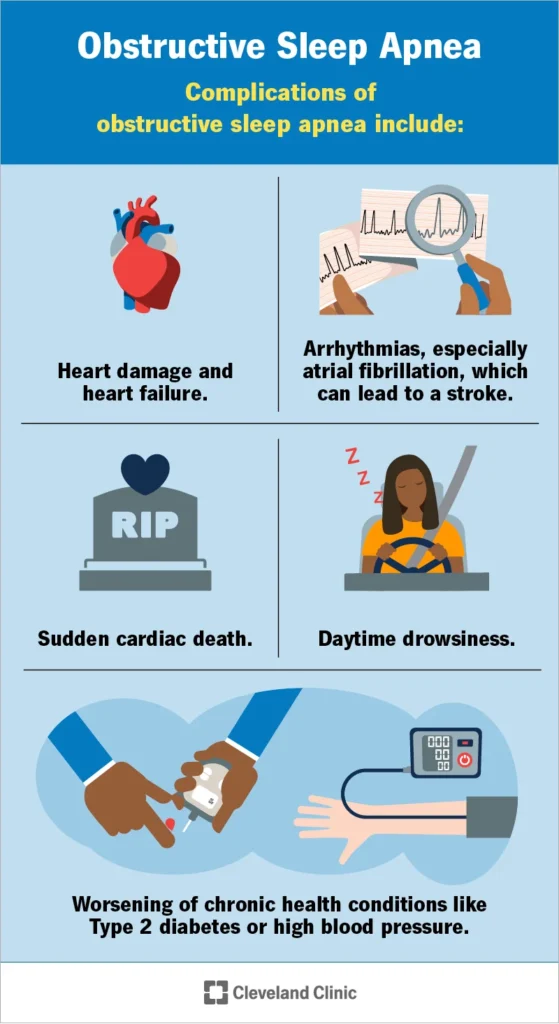
Then prioritize medical evaluation. Snoring plus certain symptoms can point to obstructive sleep apnea, which needs proper assessment and treatment options.
- Witnessed pauses in breathing
- Choking or gasping during sleep
- Severe daytime sleepiness or morning headaches
- High blood pressure or heart risk factors
For a general overview, see 5 key sleep hygiene habits of highly successful people — and how they help you sleep for longer after just one night.
How to test a mouthpiece without wasting money
People love new sleep gadgets. The problem is that novelty isn’t the same as results. Run a simple home trial so you can make a clear keep/return decision.
- Pick one metric: partner-reported snoring, a simple snore-recording app, or how you feel in the morning.
- Give it a fair window: a few nights can be noisy. Aim for 10–14 nights if comfort allows.
- Watch your jaw: mild soreness can happen early. Sharp pain, tooth pain, or bite changes are a stop sign.
- Keep the rest stable: don’t change five habits at once or you won’t know what worked.
Relationship reality check (and a practical compromise)
Snoring jokes are everywhere because it’s a real household problem. One person can’t recover, and the other feels blamed for something they can’t hear.
Make it a joint experiment: agree on a two-week plan, decide what “better” means, and reassess. That’s less drama than nightly elbow taps.
FAQs: quick answers
Do anti-snoring mouthpieces work for everyone?
No. They can help some snorers, especially when jaw/tongue position contributes. They won’t be the right solution for every cause of snoring.
How fast will I know if a mouthpiece is helping?
Often within days, sometimes a couple of weeks. Consistency matters more than a single “good night.”
Is loud snoring always a sign of sleep apnea?
No, but it can be associated. If there are breathing pauses, gasping, or heavy daytime sleepiness, get checked.
Can I use one if I have TMJ or dental issues?
Use caution. Mouthpieces can stress the jaw or teeth. If you have jaw pain, loose teeth, or gum problems, talk with a dental professional first.
What else should I try alongside a mouthpiece?
Keep it boring and effective: consistent schedule, side-sleeping, alcohol timing, and reducing late-night screens and work stress where possible.
CTA: choose a clear next step
If your goal is a practical at-home test—not another drawer full of sleep gear—start with one mouthpiece option and a simple two-week trial.
How do anti-snoring mouthpieces work?
Medical disclaimer: This article is for general information only and is not medical advice. Snoring can be a sign of obstructive sleep apnea or other health conditions. If you have choking/gasping, witnessed breathing pauses, significant daytime sleepiness, chest pain, or other concerning symptoms, seek evaluation from a qualified clinician.