
- Snoring is having a moment. Sleep gadgets, wearables, and “biohacks” are everywhere, but basics still win.
- Sleep quality isn’t just hours slept. Fragmented sleep can leave you foggy even after a full night.
- An anti snoring mouthpiece is a positioning tool. It may help when jaw/tongue position narrows airflow.
- Don’t DIY your way past red flags. Loud snoring plus choking/gasping or heavy daytime sleepiness deserves medical attention.
- Comfort and cleanup decide success. Fit, bite feel, and hygiene matter as much as the “tech.”
Between travel fatigue, workplace burnout, and the endless parade of sleep gadgets, it’s no surprise snoring is back in the spotlight. The relationship jokes write themselves—until you’re the one on the couch. If you want a practical way to think about snoring and sleep health, use the decision guide below.
First: what snoring can (and can’t) tell you
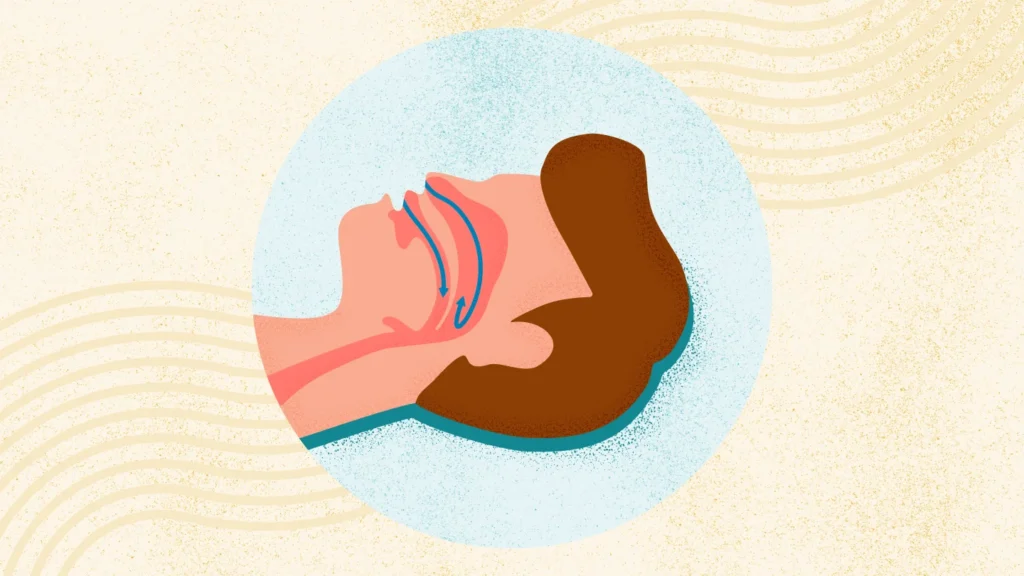
Snoring usually happens when airflow gets turbulent as tissues in the throat relax during sleep. That can be harmless and still annoying. It can also show up alongside sleep apnea symptoms, which is why the conversation has shifted toward screening and connected care.
If you’re seeing more headlines about oral appliances and “ecosystem” sleep tech, you’re not imagining it. There’s been fresh attention on clinician-directed oral appliances, including news about an FDA-cleared device referenced in this Sleep apnea – Symptoms and causes. That doesn’t mean every snorer needs a prescription device. It does mean the category is being taken seriously.
Decision guide: If…then… (pick your lane)
If your main problem is “noise + nudges,” then start with positioning
If snoring is the issue and you otherwise feel okay in the day, a mouthpiece designed for snoring can be a reasonable first tool. Most anti-snoring mouthpieces aim to improve airflow by changing jaw or tongue position. Think of it like moving furniture out of a hallway so air can pass with less vibration.
What to look for: adjustability, a secure but not crushing fit, and materials that feel tolerable for hours. Comfort is not a luxury here. It’s the difference between “works for one night” and “still using it next month.”
If you wake up wrecked, then treat it like a sleep health issue (not a meme)
Burnout and sleep debt can blur together, but consistent daytime sleepiness, morning headaches, or waking up gasping are worth taking seriously. Snoring can coexist with sleep apnea, and sleep apnea is a medical condition that deserves proper evaluation.
Then: talk with a clinician or a sleep specialist. A mouthpiece may still be part of the plan, but the “right” device and follow-up matter more when sleep apnea is on the table.
If you’re tempted by viral hacks (like mouth taping), then pause
Sleep trends move fast. Mouth taping gets framed as a simple fix, but medical voices have raised safety concerns, especially for people with nasal congestion, reflux, or possible sleep-disordered breathing.
Then: don’t rely on tape as your first-line strategy. If you’re curious, bring it up with a healthcare professional who can weigh your risks.
If travel wrecks your sleep, then prioritize portable consistency
Hotel pillows, red-eye flights, and different time zones can turn mild snoring into a louder problem. Dry air and fatigue don’t help. On the road, the best solution is the one you’ll actually pack and use.
Then: consider a mouthpiece that’s easy to carry, easy to rinse, and not finicky. Pair it with boring basics: hydration, nasal comfort measures that are safe for you, and consistent sleep timing when possible.
If your jaw feels sore, then your setup needs adjustment
Some discomfort during the break-in period can happen. Persistent pain, tooth movement concerns, or jaw clicking is a different story.
Then: stop and reassess. Over-advancing the jaw or forcing a bad fit can backfire. A smaller adjustment, a different style, or professional guidance may be the smarter move.
Technique matters: ICI basics (fit, comfort, positioning, cleanup)
1) Fit: secure, not aggressive
A good fit stays put without making you clamp down all night. If you’re waking up biting harder than usual, that’s a sign to revisit fit and tension.
2) Comfort: the “can I fall asleep?” test
You don’t need to love it. You do need to tolerate it. If it triggers gagging or keeps you awake, it won’t improve sleep quality in the real world.
3) Positioning: small changes, big difference
Many devices work by subtly moving the lower jaw forward. Tiny adjustments can change airflow. More is not always better. Aim for “enough to reduce snoring” while keeping your jaw relaxed.
4) Cleanup: keep it simple and consistent
Rinse after use, brush gently with mild soap, and let it fully dry. Skipping hygiene is the fastest way to turn a helpful tool into something you avoid using.
Shopping shortcut: where to start
If you’re comparing options, focus on comfort features, adjustability, and ease of cleaning. You can browse anti snoring mouthpiece to see common styles and what they’re designed to do.
Medical disclaimer (quick but important)
This article is for general education and does not provide medical advice, diagnosis, or treatment. If you have symptoms that could suggest sleep apnea (such as choking/gasping at night, loud frequent snoring, or significant daytime sleepiness), seek evaluation from a qualified healthcare professional.
FAQ: fast answers people want right now
Can an anti snoring mouthpiece improve sleep quality?
It can for some people, mainly by reducing snoring-related sleep disruption. The best predictor is whether your snoring responds to airway positioning and whether you can wear the device comfortably.
Is snoring always sleep apnea?
No. But snoring plus concerning symptoms is a reason to get checked, not a reason to guess.
What if my partner says it’s “only when you’re on your back”?
That’s a useful clue. Position-dependent snoring often responds to strategies that change airway positioning, including certain mouthpieces and side-sleep supports.
How long should I try a mouthpiece before deciding?
Give it enough time for a break-in period unless you have pain or worsening symptoms. If it’s still uncomfortable or ineffective after consistent use, reassess the style or seek guidance.
CTA: keep it quiet, keep it wearable
If you want a practical next step, start with a mouthpiece you can actually sleep in and maintain. Comfort, positioning, and cleanup are the whole game.