
- Snoring is a sleep-quality problem, not just a noise problem.
- Gadgets are trending, but basics (timing, alcohol, congestion, position) still matter.
- An anti snoring mouthpiece can be a practical option when jaw position is part of the issue.
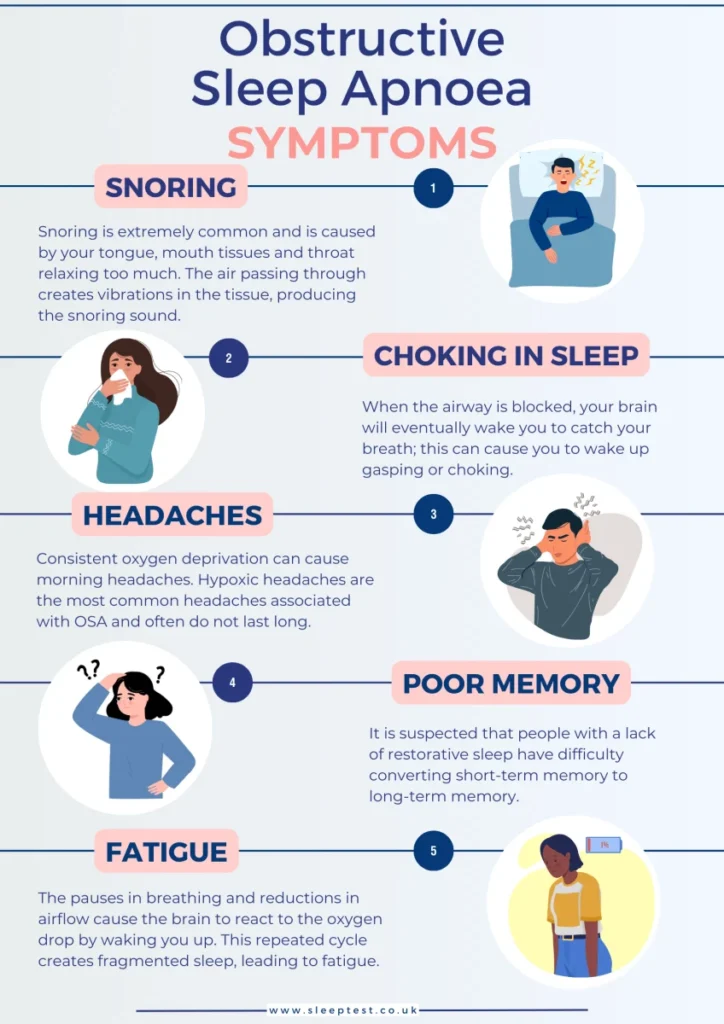
- Some snoring is a warning sign—especially when paired with choking, gasping, or daytime sleepiness.
- Better sleep helps everything: mood, focus, relationships, and how you handle burnout.
The big picture: why snoring is suddenly everyone’s topic
Snoring sits at the intersection of health trends, relationship humor, and real fatigue. People are traveling more, working odd hours, and doom-scrolling into the night. Then they wonder why they wake up with a dry mouth and a short fuse.
Recent health coverage has also pushed a bigger message: sleep-disordered breathing can connect to long-term brain and heart health. That doesn’t mean every snorer has a serious condition. It does mean “ignore it” is a weak plan.
If you want a deeper read on the broader conversation around treating obstructive sleep apnea (OSA) and brain health, see this coverage: Preventing Alzheimer’s disease and dementia by treating obstructive sleep apnea.
The emotional side: the “it’s not you, it’s your airway” moment
Snoring is one of the fastest ways to turn a shared bed into a negotiation. One person jokes about it. The other person quietly starts browsing sleep earbuds, white-noise machines, and “miracle” nasal clips at 2 a.m.
It also hits confidence. People worry they’re “the problem,” so they avoid trips or feel anxious about falling asleep first. That stress can make sleep worse, which can make snoring worse. It’s a loop worth breaking.
Practical steps: a simple order of operations (no overcomplication)
Step 1: do a quick snoring audit (2 minutes)
Ask these questions and answer honestly:
- Is snoring louder after alcohol, big meals, or late nights?
- Does it spike during travel, jet lag, or burnout weeks?
- Is it mostly on your back?
- Do you wake with headaches, dry mouth, or feel unrefreshed?
This isn’t a diagnosis. It’s a filter that helps you choose the next move.
Step 2: tighten the “sleep window” before buying more gadgets
Sleep routines are having a moment for a reason. Many people are experimenting with simple timing rules (like cutting caffeine earlier, lowering screens at night, and setting a consistent wake time). Pick one routine change you can repeat for seven nights. Consistency beats intensity.
Also, watch the sneaky triggers: late alcohol, nasal congestion, and sleeping flat on your back. These are common snoring accelerators.
Step 3: where an anti snoring mouthpiece fits
If your snoring seems tied to jaw position and airway narrowing during sleep, a mouthpiece may help by supporting a more open airway. Many people like it because it’s portable, travel-friendly, and doesn’t require a power cord.
If you want a product option to compare, here’s a relevant example: anti snoring mouthpiece. The combo approach is often considered by people who also notice mouth-breathing or jaw drop at night.
Keep expectations realistic. A mouthpiece can be a strong “first tool,” but it’s not a substitute for medical evaluation when red flags show up.
Safety + testing: don’t miss the important stuff
When snoring should be screened, not “hacked”
Snoring can be a symptom of obstructive sleep apnea. That’s one reason clinicians and major health organizations keep emphasizing that snoring isn’t always harmless.
Talk to a clinician if you notice any of these:
- Breathing pauses, choking, or gasping during sleep (even if someone else notices it first)
- Excessive daytime sleepiness, brain fog, or dozing off easily
- High blood pressure concerns or heart-related risk factors
- Morning headaches or waking up feeling “hit by a truck”
How to trial a mouthpiece without making things worse
- Start on a low-stakes week (not the night before a big presentation).
- Track two outcomes: your partner’s report (or a sleep recording) and your morning jaw comfort.
- Stop if pain shows up in the jaw, teeth, or if your bite feels different.
If you have dental work, TMJ issues, or ongoing jaw pain, get guidance before using an oral device.
FAQ: quick answers people are searching for
Is snoring always sleep apnea?
No. Snoring can happen without sleep apnea. Still, loud frequent snoring plus choking/gasping or daytime sleepiness deserves screening.
Will a mouthpiece improve sleep quality?
It can if it reduces snoring and arousals. Better sleep quality often shows up as fewer awakenings, better mood, and improved daytime focus.
What about nasal strips, sprays, or “viral” sleep gadgets?
Some people benefit, especially if congestion is a driver. Treat them as experiments, not guarantees. If symptoms persist, step up to evaluation.
CTA: pick your next move
If snoring is cutting into sleep quality, don’t wait for it to “sort itself out.” Choose one routine change tonight, and consider a mouthpiece trial if it fits your pattern. If red flags are present, prioritize screening.
How do anti-snoring mouthpieces work?
Medical disclaimer: This article is for general education only and is not medical advice. Snoring can have multiple causes, including obstructive sleep apnea, which requires evaluation by a qualified clinician. If you have choking/gasping during sleep, witnessed breathing pauses, severe daytime sleepiness, chest pain, or other concerning symptoms, seek medical care promptly.