
On a red-eye flight home, “M” did the classic travel math: one hour of sleep now equals three cups of coffee tomorrow. The cabin lights dimmed, the eye mask went on, and then it happened—snoring that started as a purr and escalated into a running joke between seatmates. By the time the plane landed, M felt wrecked, their partner felt resentful, and Monday’s meeting felt impossible.
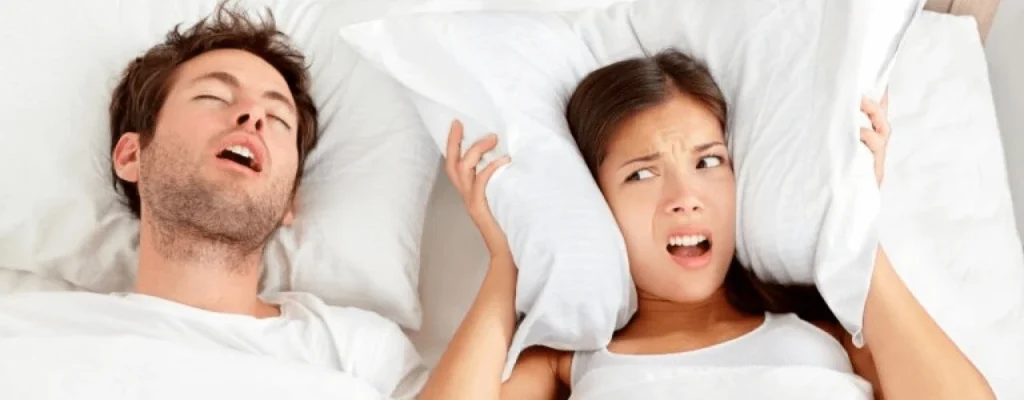
That story is everywhere right now. Sleep gadgets are trending, workplace burnout is real, and couples are negotiating “sleep divorces” with humor that hides real fatigue. If you’re searching for an anti snoring mouthpiece, you’re not alone—you’re reacting to a very modern problem: too little high-quality sleep, plus a noisy airway.
What people are talking about right now (and why)
Sleep coverage lately keeps circling the same themes: simple “doctor-approved” habits, the importance of nasal breathing, and the awkward reality that snoring can change relationships even when people still care about each other. Add in product roundups and reviews of mouthguards, and it’s easy to feel pulled in five directions.
Here’s the useful takeaway from the noise: most snoring conversations land on two levers—airflow through the nose and position of the jaw/tongue. That’s why you’ll see nose-focused wellness discussions alongside mouthpiece shopping guides.
If you want a broad snapshot of the ongoing discussion around snoring and breathing, see Living Well with SoHum Health: The Nose Knows.
What matters medically (without the scare tactics)
Snoring happens when airflow causes soft tissues in the upper airway to vibrate. Common contributors include nasal congestion, sleeping on your back, alcohol close to bedtime, and jaw/tongue position that narrows the airway.
Snoring vs. “just tired”: why sleep quality drops
Even when snoring isn’t sleep apnea, it can still fragment sleep. Micro-arousals (tiny wake-ups you don’t remember) can leave you foggy, irritable, and craving caffeine. Your bed partner can also lose sleep, which often turns a health issue into a relationship issue.
When snoring could signal something bigger
Snoring can be a feature of obstructive sleep apnea (OSA), where breathing repeatedly reduces or stops during sleep. You can’t diagnose OSA from sound alone. Still, certain patterns deserve screening.
- Pauses in breathing, choking, or gasping
- Excessive daytime sleepiness, morning headaches, or high blood pressure history
- Snoring that is loud, frequent, and getting worse over time
Medical disclaimer: This article is for general education and isn’t medical advice. If you suspect sleep apnea or have significant symptoms, seek evaluation from a qualified clinician or sleep specialist.
What you can try at home this week (low-drama, high-impact)
Think of this as a short experiment. Keep it simple, track what changes, and document what you did. That protects your time and your wallet.
Step 1: Protect your “landing zone” before bed
Many people underestimate how much late-night work and scrolling ramps up alertness. A practical trend right now is setting a hard stop for work tasks well before sleep. Try a two-hour buffer where you avoid email, heavy problem-solving, and doomscrolling. Use that time for a shower, light reading, or a short wind-down routine.
Step 2: Clear the nose (gently)
If your nose is blocked, you’re more likely to mouth-breathe, and snoring can worsen. Consider low-risk basics like a saline rinse or shower steam, and address allergies with a clinician if needed. If you’re sick, focus on comfort and hydration.
Step 3: Test positional changes
Back sleeping often increases snoring. Side sleeping can help some people quickly. If you’re traveling, even a small pillow adjustment can change jaw and neck position enough to reduce noise.
Step 4: Consider an anti-snoring mouthpiece (the “jaw position” lever)
An anti-snoring mouthpiece typically aims to keep the lower jaw from falling back, which can help keep the airway more open. Some people pair this approach with a chinstrap-style support for added stability.
If you’re comparing options, look for clear fit guidance, comfort features, and cleaning instructions. If you want to see a combo option, you can review this anti snoring mouthpiece.
Safety notes (the part people skip)
- Stop if you develop jaw pain, tooth pain, gum irritation, or headaches that don’t settle after an adjustment period.
- Be cautious with TMJ issues or significant dental work. A dentist can help you choose a safer path.
- Clean it consistently to reduce bacteria buildup. Let it dry fully.
- Don’t use a mouthpiece to “push through” suspected sleep apnea. Get screened if red flags are present.
When it’s time to get professional help
Home experiments are fine for simple snoring. Move to professional evaluation if any of these show up:
- Witnessed breathing pauses, gasping, or choking
- Daytime sleepiness that affects driving, work, or mood
- Snoring plus reflux symptoms, frequent nighttime urination, or morning headaches
- No improvement after 2–4 weeks of consistent changes
A clinician may suggest a sleep study, nasal evaluation, or a dentist-fitted oral appliance when appropriate. That path can reduce risk and improve fit, especially if symptoms are persistent.
FAQ
Do anti-snoring mouthpieces work for everyone?
No. They tend to help most when snoring is related to jaw position and airway narrowing. They may help less when congestion, alcohol, or untreated sleep apnea is the main driver.
Is snoring always a sign of sleep apnea?
Not always. Snoring can happen without sleep apnea, but loud frequent snoring plus choking/gasping, pauses, or daytime sleepiness should be screened.
Can a mouthpiece make jaw pain worse?
It can. Some people get jaw soreness, tooth discomfort, or bite changes—especially with poor fit or aggressive advancement. Stop use and reassess if pain persists.
How long does it take to notice a difference?
Some people notice quieter nights within days. Others need a week or two to adjust and fine-tune fit, plus address nasal congestion and sleep habits.
How do I clean an anti-snoring mouthpiece?
Rinse after use, brush gently with mild soap, and let it dry fully. Follow the manufacturer’s instructions and replace it if it cracks, warps, or smells despite cleaning.
CTA: pick one change tonight, then stack the next
Snoring solutions work best when you treat sleep like a system: nasal airflow, jaw position, and a wind-down that actually happens. Start with one lever this week, document results, and escalate to screening if symptoms point to apnea.