
Myth: Snoring is just a harmless “sleep quirk.”
Reality: It can wreck sleep quality for two people at once. It can also turn bedtime into a nightly negotiation.
Right now, snoring is getting extra attention in the same way other wellness trends do: more gadgets, more reviews, more “best of” lists, and more people admitting they’re tired. Travel fatigue, workplace burnout, and always-on screens don’t help. Neither does pretending it’s “no big deal” when your partner is staring at the ceiling at 2 a.m.
This guide keeps it simple. We’ll focus on what an anti snoring mouthpiece is, how it may support sleep health, and how to choose one without turning your bedroom into a testing lab.
Is snoring really about “noise,” or about sleep quality?
The sound is the headline. The real story is sleep disruption.
Even if the snorer feels fine, the bed partner often gets fragmented sleep. That can show up as irritability, brain fog, and the kind of low-grade resentment that makes small things feel huge. If you’ve ever joked about “sleep divorce” (separate rooms), you’re not alone.
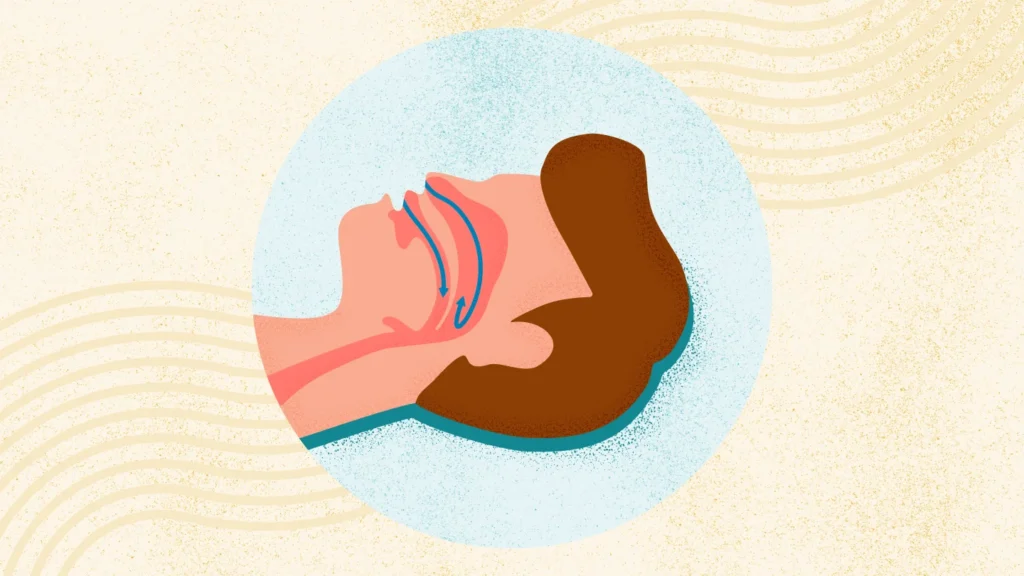
Snoring can also be a clue that airflow is restricted during sleep. Sometimes it’s simple and situational. Other times it overlaps with sleep apnea. If you suspect apnea, get medical guidance rather than relying only on gadgets.
Why are anti-snore devices suddenly everywhere?
People are shopping for sleep the way they shop for fitness: reviews, rankings, and quick wins. You’ll see more roundups that compare mouthpieces, nasal options, and wearables. You’ll also see market coverage pointing out that anti-snoring devices are a growing category, especially in places where sleep health is being treated like mainstream self-care.
If you want a broad sense of what experts tend to discuss in these comparisons, scan a roundup like Europe Anti-snoring Device Market Size and Forecast 2025–2033. Use it as context, not as a diagnosis tool.
How does an anti snoring mouthpiece help, in plain language?
Most anti-snoring mouthpieces aim to improve airflow by changing what your jaw or tongue does during sleep. That can reduce the vibration that creates snoring.
Two common styles you’ll hear about
Mandibular advancement-style (jaw-forward) designs: These gently hold the lower jaw forward to help keep the airway more open.
Tongue-retaining designs: These help keep the tongue from falling back and narrowing the airway.
Which one works best depends on your anatomy, comfort, and what actually triggers your snoring. That’s why “the best” product online may not be the best for you.
What should we talk about as a couple before buying anything?
Start with teamwork. Snoring can feel personal, but it’s usually mechanical.
Use a low-drama script
Try: “I’m not mad. I’m exhausted. Can we test one change this week and see if we both sleep better?”
Pick one goal for the week
Not ten. One. Examples: reduce wake-ups, lower volume, or stop the couch-migration routine. A clear goal keeps the conversation from turning into blame.
What should I look for when choosing a mouthpiece?
Think comfort plus consistency. A device that’s “effective” but sits in a drawer won’t help your sleep health.
Fit and adjustability
A secure, comfortable fit matters. Many people do better with adjustable designs because you can fine-tune rather than forcing a big change on night one.
Material feel and bulk
If you gag easily or hate bulky mouth feel, you’ll want a lower-profile option. Comfort drives adherence.
Jaw comfort
Mild soreness can happen during adjustment. Sharp pain, locking, or worsening TMJ symptoms are signs to stop and consult a dental professional.
Breathing habits
If you’re a mouth breather at night, a combo approach may be appealing. Some people pair a mouthpiece with a chin strap for support.
If you’re exploring that route, here’s a related option to review: anti snoring mouthpiece.
What else helps sleep quality while you test a mouthpiece?
Snoring solutions work better when the rest of your sleep setup isn’t chaotic. You don’t need a “sleep influencer” routine. You need repeatable basics.
Reduce travel fatigue effects
After flights or late arrivals, people often snore more. Dry air, congestion, and odd sleep positions can stack the deck. Hydration, a consistent bedtime, and side-sleep support can help you evaluate the mouthpiece more fairly.
Don’t let burnout hijack your nights
Stress can tighten everything—jaw clenching, shallow breathing, and restless sleep. A mouthpiece may help snoring, but you’ll still benefit from a short wind-down and a screen cutoff that you can actually keep.
When is snoring a “get checked” situation?
Snoring can be simple, but it can also be a warning sign. Consider medical evaluation if you notice loud snoring with choking/gasping, witnessed breathing pauses, severe daytime sleepiness, or morning headaches.
Medical disclaimer: This article is for general education only and isn’t medical advice. It doesn’t diagnose or treat any condition. If you suspect sleep apnea, have significant daytime sleepiness, or have jaw/dental issues, talk with a qualified clinician or dentist.
FAQ: quick answers people are searching right now
Can I use an anti-snoring mouthpiece if I grind my teeth?
Maybe, but it depends on the design and your bite. If you grind heavily or have jaw pain, a dentist can help you avoid making symptoms worse.
What if I only snore after alcohol or when congested?
That pattern is common. Try managing the trigger and still consider a mouthpiece if snoring persists or affects your partner’s sleep.
Will a mouthpiece fix relationship sleep problems by itself?
It can reduce the nightly friction, but communication matters. Agree on a trial period, track results, and adjust together.
Ready to learn the basics before you buy?
Get a clear explanation of what these devices do and what to expect during the adjustment period.