
Snoring is funny in memes and brutal at 2:17 a.m. It can turn one noisy sleeper into two exhausted people. Add travel fatigue and burnout, and sleep starts feeling like a fragile app you can’t keep from crashing.
If snoring is dragging down your sleep quality, an anti snoring mouthpiece can be a practical tool—when you pair it with simple habits and a safety-first check for red flags.
The big picture: why snoring is suddenly everyone’s topic
Sleep has become a full-on trend. People swap routines, track scores, and buy gadgets like they’re upgrading a phone. Some headlines push quick “sleep hacks,” while others remind us that poor sleep quality can affect long-term health.
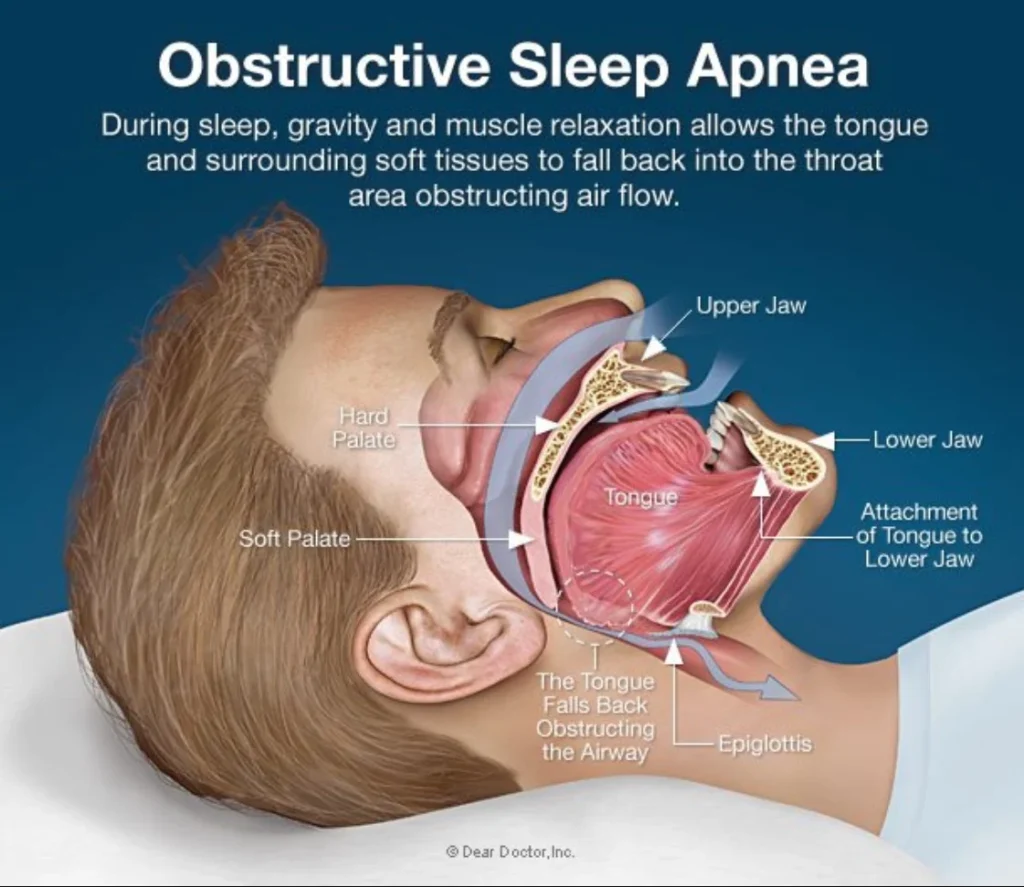
Snoring sits in the middle of that conversation because it’s loud, common, and relationship-disrupting. It also overlaps with sleep apnea for some people, which is why it deserves a little respect, not just jokes.
What snoring does to sleep quality (even if you “sleep through it”)
Snoring can fragment sleep. You may not fully wake up, but micro-arousals can still reduce how restorative the night feels. Your partner may get the worst of it, then you both start the day running on fumes.
That’s why snoring solutions are trending alongside workplace fatigue talk. Less deep sleep can look like brain fog, short temper, and a second coffee that somehow becomes a third.
The emotional side: the bedroom isn’t a sleep lab
Snoring often turns into a weird mix of embarrassment and resentment. One person feels blamed for something they can’t control. The other feels like they’re negotiating for basic rest.
A good plan keeps it light but direct: focus on comfort, quiet, and shared sleep goals. Humor helps, but results help more.
Practical steps: start simple, then add the right tool
Step 1: Do a quick “snore audit” for patterns
Before you buy anything, notice the triggers. Does it spike after alcohol? Is it worse on your back? Does travel congestion set it off? A few notes can save you money and frustration.
Step 2: Try the low-tech sleep routine tweaks (the ones that actually stick)
Many sleep articles promote countdown-style routines that reduce late caffeine, late meals, and late-night screens. You don’t need perfection. Pick one change you can repeat for two weeks.
- Side-sleeping or a pillow setup that discourages back-sleeping
- Earlier wind-down so you’re not crashing straight from work stress into bed
- Limit alcohol close to bedtime if it reliably worsens snoring
Step 3: Add an anti snoring mouthpiece when positioning is the problem
An anti snoring mouthpiece is designed to support better airflow by improving what’s happening in and around the mouth during sleep. Many people choose one when snoring seems tied to jaw position, mouth breathing, or relaxed tissues.
Because comfort drives consistency, focus on fit and wearability—not hype. A mouthpiece you hate won’t make it past night three.
What people are talking about right now: mouth taping and “sleep hacks”
One trend getting attention is mouth taping. If you’re curious, read a balanced take like Improve Your Sleep Routine With This 10-3-2-1-0 Hack Tonight.
Keep it real: trends can be interesting, but they’re not automatically safe or appropriate for everyone. If you can’t breathe freely through your nose, taping can be a bad idea. If you want a snoring-specific tool, a mouthpiece approach is often the more direct lane.
Tools and technique: comfort, positioning, and cleanup (ICI basics)
ICI #1: “Is it comfortable enough to keep using?”
Comfort is the first gate. If your jaw feels strained or you wake up ripping it out, adjust your approach. Start with shorter wear time if needed, then build up.
ICI #2: “Can I get consistent positioning night to night?”
Snoring changes when your mouth falls open or your jaw drops back. Some people do better with added stability. A combo can help if you notice open-mouth sleeping.
If you’re exploring options, see this anti snoring mouthpiece as an example of a paired setup.
ICI #3: “Is it clean and low-maintenance?”
Easy cleanup matters more than people expect. Rinse after use, let it fully dry, and store it in a ventilated case. If it’s annoying to maintain, it won’t last.
Safety and self-checks: when to stop experimenting and get evaluated
Snoring can be simple, but it can also be a sign of sleep apnea. Don’t try to out-hack a medical problem.
- Breathing pauses, choking, or gasping during sleep
- Severe daytime sleepiness or dozing off unintentionally
- Morning headaches, dry mouth, or mood changes that feel new
- High blood pressure or heart risk factors
If these show up, talk with a clinician or a sleep specialist. A proper evaluation can change your health trajectory, not just your noise level.
Medical disclaimer: This article is for general education and does not diagnose, treat, or replace medical advice. If you suspect sleep apnea or have persistent symptoms, seek care from a qualified professional.
Quick wrap: a calmer way to get quieter nights
Skip the shame and skip the gadget pile. Start with a few steady habit changes, then use a mouthpiece if your snoring fits that pattern. Test comfort and positioning, and take red flags seriously.