
On a recent weeknight, “J” rolled into bed with a brand-new sleep tracker on one wrist and a charging cable tangled in the sheets. The plan was simple: sleep earlier, wake up sharper, stop feeling like a phone with 12% battery. Then the snoring started, and the whole room turned into a tiny, tired comedy show.
That’s the vibe right now. People are buying sleep gadgets, swapping “one weird trick” tips, and joking about relationship sleep negotiations. Under the humor is a real problem: snoring can drag down sleep quality for the snorer and anyone nearby.
Why is everyone suddenly talking about snoring and sleep quality?
Sleep is having a moment. Burnout, travel fatigue, and always-on work culture have made “good sleep” feel like a performance metric. So when a simple habit change seems to improve morning energy, it spreads fast.
At the same time, snoring is hard to ignore. It’s loud, it’s social (someone else usually hears it first), and it can turn bedtime into a nightly negotiation. That’s why solutions like an anti snoring mouthpiece keep trending alongside smarter bedtime routines.
Is snoring just annoying—or can it mess with your sleep health?
Snoring often means air is struggling to move smoothly through the upper airway. That vibration can be “just snoring,” but it can also be a clue that sleep is getting fragmented.
Even when you don’t fully wake up, micro-arousals can chip away at deep, restorative sleep. The result can look like: groggy mornings, low patience, and that “I slept 8 hours but feel 5” feeling.
When should you take snoring more seriously?
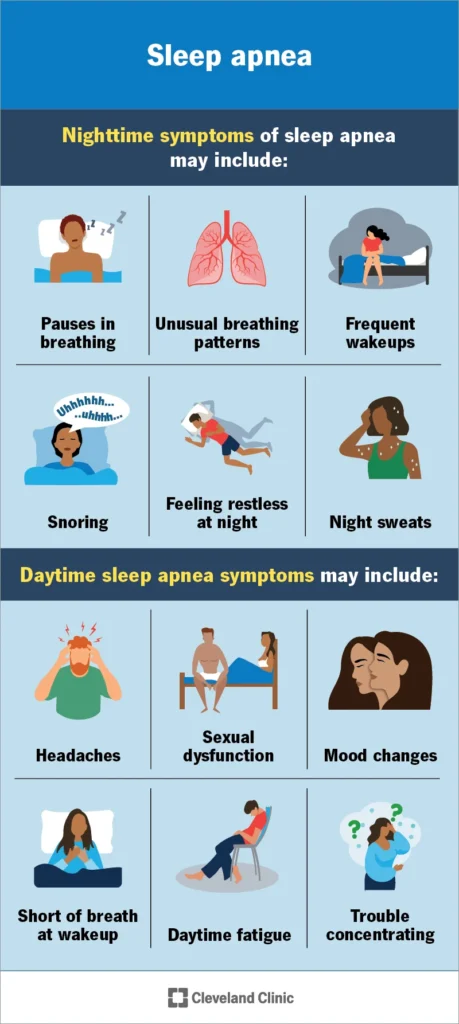
If snoring comes with choking/gasping, witnessed breathing pauses, morning headaches, or strong daytime sleepiness, it’s worth getting evaluated. Those can be signs of sleep apnea, which needs medical attention.
What’s the “simple sleep tip” people keep trying—and why might it help?
A common theme in recent sleep chatter is reducing stimulation before bed. One popular version: stop working well before bedtime so your brain can downshift.
That idea isn’t glamorous, but it’s practical. Late-night work tends to push stress hormones up, keep your mind racing, and delay sleep onset. If you’re also dealing with snoring, better pre-bed habits won’t “fix” anatomy, but they can improve overall sleep quality and resilience.
Why does snoring seem worse in winter or after travel?
Many people report seasonal spikes. Dry indoor air, nasal congestion, and sleeping in different positions can all make snoring more noticeable.
Travel adds its own mix: dehydration, alcohol at odd hours, jet lag, and unfamiliar pillows. If you’ve ever snored on a red-eye and then felt wrecked the next day, you’re not imagining the domino effect.
What exactly is an anti snoring mouthpiece, and what does it do?
An anti snoring mouthpiece is a dental-style device worn during sleep. Many designs aim to keep the lower jaw slightly forward to help maintain a more open airway. Others focus on stabilizing the tongue or supporting mouth position.
In plain terms: it tries to change the geometry of your airway at night. That can reduce vibration and, for some people, reduce snoring volume and frequency.
Who tends to consider a mouthpiece?
- People whose snoring is worse on their back
- People who wake with dry mouth (often from mouth breathing)
- Couples who want a non-noise-canceling solution
- Anyone looking for a portable option for travel
How do you choose a mouthpiece without overcomplicating it?
Keep it simple. Start with fit, comfort, and how consistently you’ll actually wear it. The “best” device on paper doesn’t help if it sits in a drawer.
Quick checkpoints to think through
- Comfort: Sore jaw or tooth pressure is a common reason people quit early.
- Breathing style: Some people do better when mouth opening is controlled.
- Consistency: A solution you use 5–7 nights a week beats a perfect plan you use once.
- Red flags: If symptoms suggest sleep apnea, don’t self-manage only.
If you want an example of what people are comparing right now, here’s a high-level reference to the broader conversation around a The super simple sleep tip every doctor has told me to try just fixed my morning fatigue, here’s how.
What else can you pair with a mouthpiece for better sleep quality?
Think “stack,” not “silver bullet.” A mouthpiece can address mechanics, while habits protect the rest of your sleep.
Small moves that often matter
- Set a work cutoff: Give yourself a buffer before bed to unwind.
- Side-sleeping: Some people snore less off their back.
- Limit alcohol near bedtime: It can relax airway muscles and worsen snoring.
- Keep your nose clear: Congestion can push more mouth breathing.
- Protect the bedroom: Cool, dark, quiet, and device-light helps.
What should you expect the first week using a mouthpiece?
Most people need an adjustment period. You might notice extra saliva, mild jaw fatigue, or a “this feels weird” reaction at first. That’s common with oral devices.
Comfort is the make-or-break factor. If pain is sharp, persistent, or affects your bite, pause and consider professional guidance.
Common questions
People usually want quick clarity before buying anything. Here are the answers that tend to reduce decision stress.
Will I stop snoring immediately?
Some people notice a change fast, especially if jaw position is a major driver. Others need a few nights of fit tweaks and habit changes before they can tell.
Is it only for the snorer’s benefit?
No. Snoring is a shared problem in many bedrooms. Better nights can improve mood, patience, and relationship dynamics. It can also reduce the “separate bedrooms” spiral that starts as a joke and turns real.
CTA: Ready to try a mouthpiece approach?
If you want a streamlined option to explore, take a look at this anti snoring mouthpiece. It’s designed for people who want mouth support plus jaw positioning in one setup.
How do anti-snoring mouthpieces work?
Medical disclaimer: This article is for general education and does not provide medical advice, diagnosis, or treatment. If you have symptoms of sleep apnea (gasping, breathing pauses, significant daytime sleepiness) or persistent pain with any device, talk with a qualified clinician.