
Myth: Snoring is just an annoying sound.
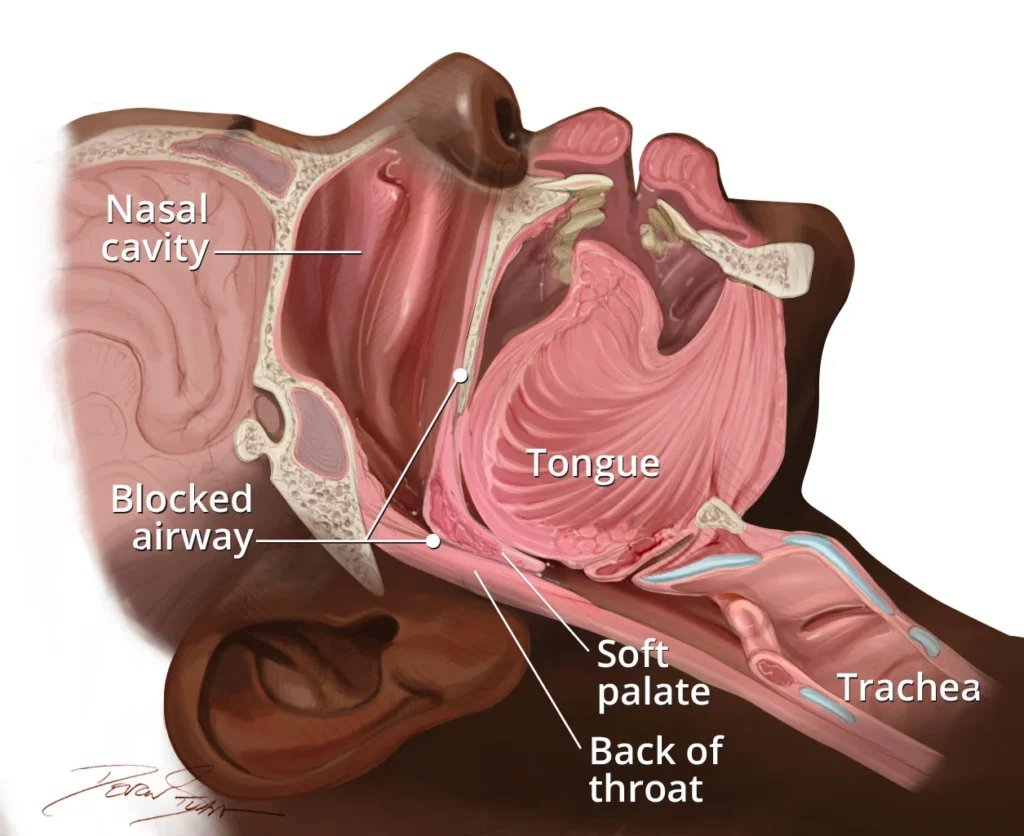
Reality: Snoring is often a sleep-quality problem first—and sometimes a health signal you shouldn’t ignore.
People are talking about sleep more than ever. It shows up in gadget launches, “sleep score” trends, and even travel fatigue jokes after red-eye flights. Add workplace burnout and a partner who’s had it with the nightly chainsaw impression, and snoring stops being funny fast.
This guide keeps it practical. You’ll learn where an anti snoring mouthpiece fits, what to watch for, and how to make a smart, low-drama next step.
Is snoring actually hurting my sleep quality?
It can. Even when you don’t fully wake up, snoring can fragment sleep. That means you may get “enough hours” and still feel like your brain is running on low battery.
Sleep quality often takes the hit first. You notice it as grogginess, irritability, or needing more caffeine than you want to admit. Your partner may notice it as tossing, turning, and drifting to the couch.
When is snoring a red flag instead of a nuisance?
Some recent health coverage has emphasized a simple point: snoring can be connected to obstructive sleep apnea, and sleep apnea can affect more than mood and energy. It has also been discussed alongside heart health concerns in mainstream medical conversations.
Don’t self-diagnose, but don’t shrug it off either. Consider talking with a clinician if you notice any of these:
- Breathing pauses witnessed by someone else
- Choking or gasping during sleep
- Strong daytime sleepiness (especially while driving)
- Morning headaches or dry mouth
- High blood pressure concerns alongside loud snoring
If you want a general, high-level overview of the snoring/apnea/heart-health conversation, see this related coverage: 5 Signs Of Sleep Apnea That Most People Miss.
Why do people keep buying sleep gadgets right now?
Because everyone wants a quick fix. Wearables promise a cleaner score. Apps promise deeper sleep. Travelers want a hack for hotel rooms and jet lag. Couples want peace.
Gadgets can help you notice patterns. They can’t tell you why you snore, and they can’t treat sleep apnea on their own. Think of them as a dashboard, not a repair shop.
Can an anti snoring mouthpiece help, and who is it for?
An anti snoring mouthpiece is usually designed to position the jaw and tongue in a way that may reduce airway narrowing. For many people, that’s the mechanical issue behind the noise.
It tends to be a reasonable option when:
- Your main problem is snoring (not confirmed sleep apnea)
- Snoring is worse on your back
- You want a non-surgical, non-medication approach
- You need something travel-friendly and simple
If you’re comparing options, a combo approach can be appealing for people who also struggle with mouth breathing. Here’s an example product category to explore: anti snoring mouthpiece.
What should I look for before I try a mouthpiece?
Skip the hype and focus on comfort and consistency. A mouthpiece only helps if you can actually sleep with it.
Start with fit and feel
A good fit should feel stable, not clenched. You should be able to close your lips comfortably. Excess drooling early on can happen, but sharp pain is a stop sign.
Think about your “real life” sleep
If you travel often, you need something easy to pack and clean. If burnout has you sleeping lightly, prioritize comfort over aggressive positioning. If your relationship is strained by snoring, pick a plan you can stick to for two weeks, not two nights.
Know your deal-breakers
Jaw pain, tooth pain, or worsening headaches mean you should pause and consider professional guidance. That’s especially true if you already have TMJ issues.
How can I test whether it’s helping (without obsessing)?
Don’t chase perfection. Look for a trend.
- Partner feedback: Fewer wake-ups and fewer nudges is a win.
- Morning check-in: Less dry mouth, fewer headaches, easier wake-ups.
- Daytime signal: Better focus mid-morning and less “crash” feeling.
If you track anything, keep it simple: 1–10 sleep quality and whether snoring was noticed. That’s enough to make a decision.
What else helps snoring and sleep health alongside a mouthpiece?
Small changes can stack. None are magic, but they’re common sense.
- Side-sleep support: Many people snore more on their back.
- Alcohol timing: Evening drinks can worsen airway relaxation for some.
- Nasal comfort: Congestion can push mouth breathing and snoring.
- Wind-down routine: Burnout brains need a runway, not a cliff.
Keep the goal realistic: quieter sleep, fewer interruptions, better recovery.
Medical disclaimer
This article is for general education only and is not medical advice. Snoring can be a sign of obstructive sleep apnea or other health conditions. If you have choking/gasping, witnessed breathing pauses, significant daytime sleepiness, or cardiovascular concerns, seek evaluation from a qualified clinician.
Next step
If you want a straightforward option to explore, start here:
How do anti-snoring mouthpieces work?
Pick one change, try it consistently for two weeks, and reassess. Better sleep usually comes from a plan you can repeat.