
Snoring used to be a punchline. Now it’s a sleep-quality problem people track with apps, wearables, and a nightstand full of gadgets.
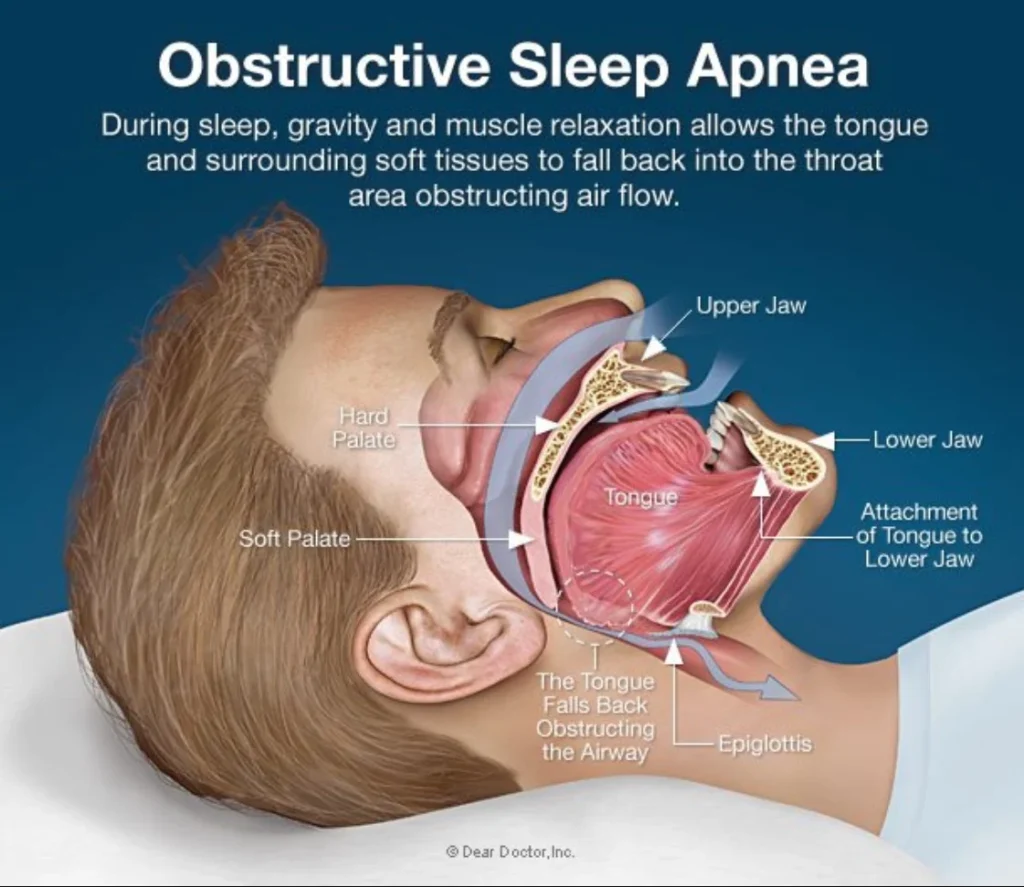
Between travel fatigue, late-night scrolling, and workplace burnout, a “normal” night can feel rare. That makes any loud snore feel bigger—especially to the person next to you.
Thesis: Use a simple if-then path to decide whether an anti snoring mouthpiece is a reasonable next step—or a sign to get screened first.
Start here: is this a nuisance or a warning sign?
Snoring can be harmless. It can also overlap with sleep-disordered breathing. The goal is not to self-diagnose—it’s to reduce risk and make a defensible choice.
If you have red flags, then treat it like a screening issue
If anyone has noticed breathing pauses, choking/gasping, or you wake up with a racing heart, then don’t treat this as “just snoring.”
If you’re excessively sleepy in the daytime, nod off easily, or have morning headaches often, then prioritize a clinician-led evaluation. A mouthpiece may still be part of the plan later, but screening comes first.
For a general overview of what people mean when they talk about snoring versus sleep apnea, see this related coverage: Mouth Tape for Sleep: Benefits, Risks, and How to Use It Safely.
If it’s mostly “volume + vibration,” then a mouthpiece is a reasonable trial
If the main complaint is loud snoring (especially on your back) and you otherwise feel okay during the day, then an anti snoring mouthpiece can be a practical experiment.
Many people are shopping like they do for any sleep gadget: quick reviews, fast shipping, and a hope that one change fixes everything. A better approach is to pick one intervention, track results for a short window, and document what happened.
Decision guide: pick the next step that matches your situation
If you’re a “back sleeper snorer,” then try positioning + mouthpiece
If snoring spikes when you’re on your back, then combine side-sleep support with a mouthpiece trial. This combo is common because it addresses two drivers at once: posture and airway collapse risk.
Keep it simple. Change too many variables and you won’t know what worked.
If you wake up with dry mouth, then check nasal breathing before chasing trends
If you consistently wake with a dry mouth, then consider whether nasal congestion is pushing you to mouth-breathe. Some recent sleep trends focus on mouth taping, but it’s not a universal “hack.”
Don’t tape your mouth if you can’t breathe comfortably through your nose or if you’re unsure it’s safe for you. When in doubt, ask a clinician—especially if you have allergies, sinus issues, or any breathing concerns at night.
If your partner is losing sleep, then choose the option you’ll actually tolerate
If this has turned into relationship humor that isn’t funny anymore, then prioritize comfort and compliance. The best device is the one you can wear consistently without pain.
Look for clear cleaning instructions, a material you can keep sanitary, and a fit that doesn’t cause sharp jaw pressure. A “perfect” device you abandon after two nights won’t improve anyone’s sleep.
If you travel often, then plan for jet lag and hotel-room reality
If snoring is worse on work trips or after long flights, then treat travel fatigue as part of the problem. Alcohol with late dinners, unfamiliar pillows, and irregular sleep timing can all amplify snoring.
Pack a small, consistent routine: hydration, a wind-down window, and the same snore solution you use at home. Consistency helps you separate “travel chaos” from an underlying issue.
Safety and documentation: reduce risk and make better decisions
Snoring solutions can drift into trial-and-error. That’s fine, but keep it responsible.
- Track outcomes: note bedtime, wake time, alcohol, congestion, and partner feedback for 10–14 nights.
- Watch for side effects: jaw pain, tooth pain, gum irritation, or bite changes are reasons to pause.
- Keep it clean: follow product directions to reduce odor, irritation, and infection risk.
- Don’t ignore escalation: new daytime sleepiness or witnessed breathing pauses should trigger screening.
Where an anti-snoring mouthpiece fits (and what to look for)
An anti-snoring mouthpiece is typically used to support airflow by changing oral posture during sleep. People often compare several device types in reviews and roundups, but your best match depends on tolerance, jaw comfort, and how you breathe at night.
If you want a bundled approach that also supports keeping the mouth closed, then consider an anti snoring mouthpiece. This can be appealing for people who suspect mouth-opening is part of their snoring pattern.
FAQs
Can an anti snoring mouthpiece help with occasional snoring?
It can, especially when snoring is related to jaw position and relaxed airway tissues. Fit, comfort, and consistent use matter.
How do I know if it might be sleep apnea instead of simple snoring?
If you have choking/gasping, witnessed breathing pauses, heavy daytime sleepiness, or high blood pressure concerns, get screened by a clinician.
Are anti-snoring mouthpieces safe to use every night?
Many people use them nightly, but some experience jaw soreness, tooth discomfort, or bite changes. Stop and seek dental guidance if pain persists.
What’s the difference between a mouthpiece and mouth taping?
A mouthpiece aims to change jaw/tongue position or support airflow. Mouth taping is a separate trend and may be risky for some people, especially if nasal breathing is limited.
How long does it take to get used to a mouthpiece?
Often a few nights to a couple of weeks. Start with short wear periods and prioritize a fit that doesn’t cause sharp pain.
What else improves sleep quality if snoring is part of the problem?
Consistent sleep timing, limiting alcohol close to bedtime, side-sleeping, treating nasal congestion, and addressing burnout-level stress can all help.
Next step: get a clear answer fast
If you want fewer wake-ups and less “did I keep you up?” negotiation in the morning, take one action and measure it.
How do anti-snoring mouthpieces work?
Medical disclaimer: This article is for general education only and is not medical advice. Snoring can have multiple causes, including conditions that require professional evaluation. If you suspect sleep apnea, have breathing pauses, significant daytime sleepiness, chest pain, or persistent symptoms, seek care from a qualified clinician.