
Snoring has a way of turning a normal week into a running joke—until nobody is laughing. One person is awake, the other is apologizing, and the next day’s meeting feels like it starts at 3 a.m.
Sleep gadgets are everywhere right now, from apps to wearables to “smart” pillows. But the best next step is often simpler: figure out what kind of snoring you’re dealing with.
Thesis: Better sleep starts with smart screening—then you can decide if an anti snoring mouthpiece actually fits your situation.
Is my snoring “normal,” or is it something I should screen?
Snoring is common, especially during stressful seasons, travel fatigue, or when burnout pushes sleep schedules off a cliff. That doesn’t mean you should ignore it. The key is separating “annoying noise” from “possible breathing problem.”
Some recent coverage has focused on the snoring vs. sleep apnea question. If you want a general overview of the conversation, see this related read: Snoring at night? Low vitamin D might be playing a role.
Quick self-check: snoring that needs medical attention
- Breathing pauses witnessed by a partner
- Choking or gasping during sleep
- Severe daytime sleepiness (dozing off easily)
- Morning headaches, dry mouth, or sore throat that won’t quit
- High blood pressure or heart risk factors (discuss with your clinician)
If any of these are in play, treat an anti-snore device as a “maybe later” until you get screened. A mouthpiece can reduce noise in some cases, but it shouldn’t delay evaluation for sleep apnea.
Why does snoring wreck sleep quality (even if you “sleep through it”)?
Snoring can be a sign of airflow turbulence and partial airway narrowing. That can fragment sleep, even when you don’t fully wake up. Your partner may get the worst of it, but you can still wake feeling unrefreshed.
It also creates a relationship feedback loop. One person starts wearing earbuds. The other starts sleeping on the couch. Then both feel tired, and everything—from patience to work performance—gets harder.
Do vitamins or “sleep trends” matter, or is that noise?
Headlines often spotlight single factors tied to snoring, including vitamin D. It’s fair to say overall health and nutrition can influence sleep. Still, snoring usually comes down to anatomy, airflow, sleep position, alcohol, congestion, and sleep stage.
If you suspect a deficiency, a clinician can check levels and advise you safely. Avoid self-prescribing high doses based on a headline.
What is an anti snoring mouthpiece, and who is it for?
An anti snoring mouthpiece is typically an oral appliance worn at night. Many designs aim to hold the lower jaw slightly forward to help keep the airway more open.
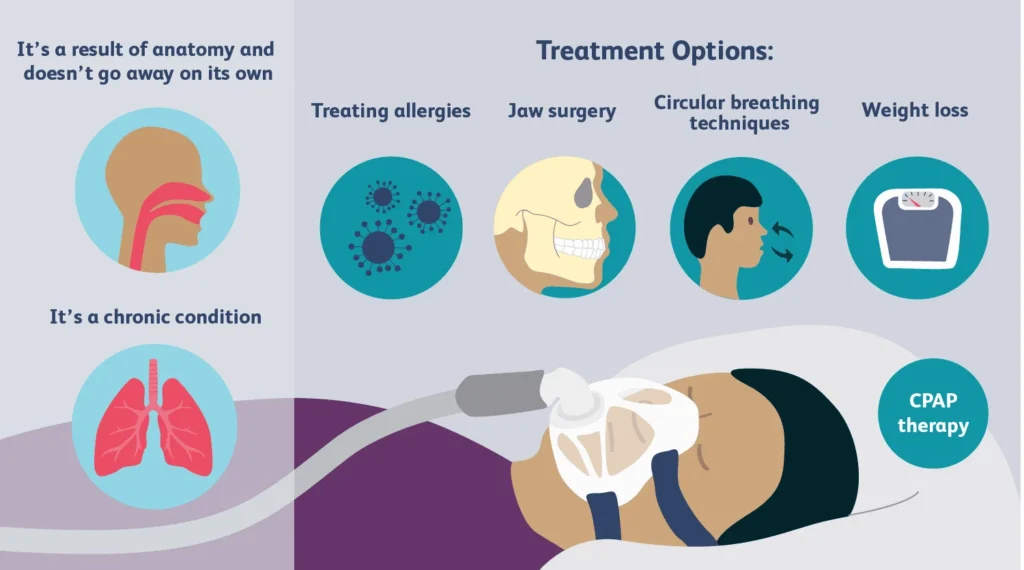
It tends to make the most sense when your snoring is worse on your back, worse after alcohol, or paired with a small jaw/airway feel. It may be less helpful when the main driver is nasal obstruction (like allergies) or when sleep apnea is suspected and untreated.
Common types you’ll see in “anti-snore device” roundups
- Mandibular advancement devices (MADs): reposition the jaw forward
- Tongue-retaining devices (TRDs): help keep the tongue from falling back
- Nasal aids: strips or dilators that improve nasal airflow
- Positional tools: encourage side-sleeping
Those lists are popular right now for a reason: people want a quick fix. The safer approach is matching the tool to the likely cause.
What should I look for before buying a mouthpiece?
Think “fit, comfort, and follow-through.” The best device is the one you can wear consistently without pain.
Safety-first checklist (reduces regret and risk)
- Start with screening: if sleep apnea is possible, talk to a clinician first.
- Check dental and jaw history: TMJ pain, loose teeth, crowns, or gum disease may change what’s appropriate.
- Expect an adjustment period: mild soreness can happen early; sharp pain is a stop sign.
- Clean it properly: rinse daily, clean as directed, and let it dry to reduce odor and bacterial buildup.
- Track results: note snoring volume (partner feedback), morning energy, and any jaw symptoms.
How do I use a mouthpiece without making sleep worse?
Consistency beats intensity. Wear it for the full night if it’s comfortable, and give your body time to adapt. If it causes jaw clicking, tooth pain, or bite changes, stop and get dental guidance.
Also, don’t let the mouthpiece become the only plan. If you’re dealing with travel fatigue, irregular bedtimes, or late-night alcohol, those can overpower any device.
What else can I do tonight to support sleep health?
Keep it basic and realistic. Small changes stack up, especially during busy work stretches.
- Try side-sleeping (positional support can help)
- Avoid alcohol close to bedtime
- Address nasal congestion (saline rinse, humidity, allergy plan with a clinician)
- Keep a steady sleep/wake time for a week
- Get daylight exposure earlier in the day when possible
Where can I compare mouthpiece options quickly?
If you’re at the “show me options” stage, start here: anti snoring mouthpiece. Focus on comfort, adjustability, and whether your symptoms suggest jaw-position snoring versus something else.
FAQ: fast answers people ask right now
Can I use a mouthpiece if I grind my teeth?
Sometimes, but it depends on the design and your dental history. Grinding can increase jaw soreness, so consider professional input if symptoms are significant.
Will a mouthpiece stop snoring immediately?
Some people notice a change on the first night. Others need small adjustments and a week or two of consistent wear.
Is snoring always caused by weight?
No. Weight can be a factor for some people, but anatomy, alcohol, congestion, and sleep position also matter.
Call to action
How do anti-snoring mouthpieces work?
Medical disclaimer: This article is for general information only and is not medical advice. Snoring can be a sign of obstructive sleep apnea or other conditions. If you have choking/gasping, witnessed breathing pauses, significant daytime sleepiness, chest pain, or concerns about your health, seek evaluation from a qualified clinician.