
Snoring isn’t just “a funny noise.” It’s a nightly interruptor that can wreck sleep quality for you and anyone within earshot.
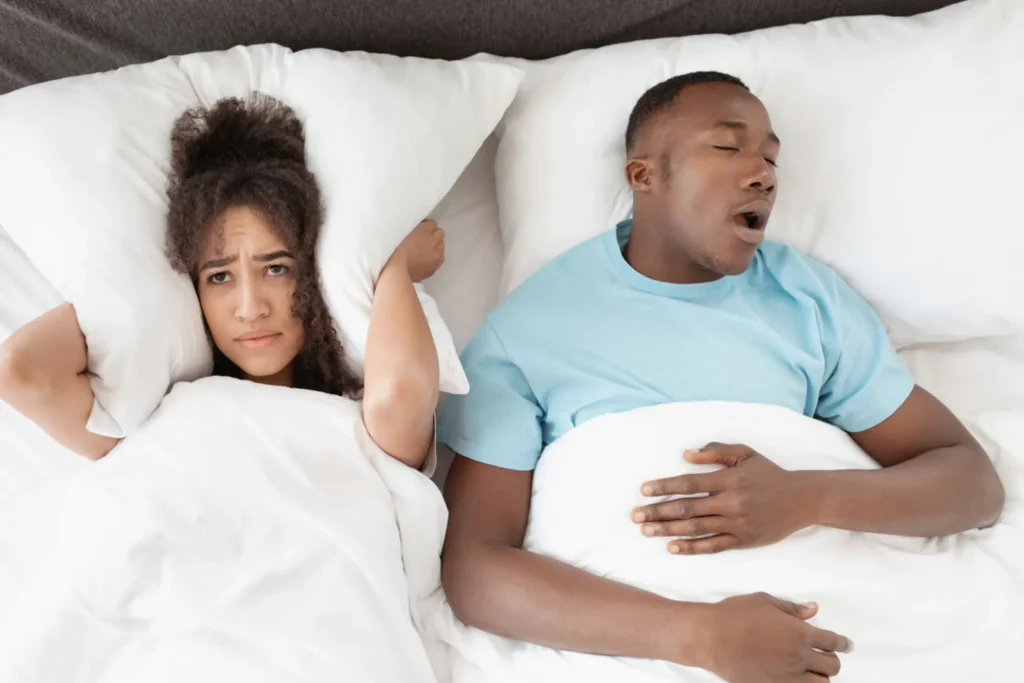
And lately, people are talking about it more—alongside sleep gadgets, burnout, and that familiar travel-fatigue haze.
Thesis: If your snoring has spiked, a well-fitted anti snoring mouthpiece plus a few timing-based sleep habits can be a practical, low-drama upgrade.
Why does snoring feel worse in winter (and on stressful weeks)?
Seasonal shifts can stack the deck against good sleep. Indoor heating dries the air, and winter colds or allergies can clog nasal breathing. When you default to mouth breathing, tissues in the throat can vibrate more easily.
Stress adds fuel. When your day runs long, your bedtime routine usually gets shorter. That’s when snoring becomes a “relationship joke” that stops being funny at 2:00 a.m.
If you want a deeper read on the winter angle, this search-style reference is a helpful starting point: Why Winter Can Make Sleep Apnea Worse.
Is snoring just annoying—or a sign your sleep quality is slipping?
Snoring can be “just snoring,” but it can also show up alongside fragmented sleep. People often notice it as daytime fog, irritability, or needing extra caffeine to function.
It also affects the other person in bed. Many couples end up negotiating pillows, white noise, or separate rooms during rough patches. The goal isn’t perfection; it’s fewer wake-ups and better recovery.
Important: Loud snoring with choking/gasping, witnessed breathing pauses, or severe daytime sleepiness can be a red flag for obstructive sleep apnea. That deserves medical evaluation.
What are people buying right now to stop snoring—and what actually makes sense?
Sleep tech is having a moment. You’ll see wearables, smart rings, phone apps, “biohacking” routines, and a steady stream of new snore products. Some are useful for awareness. Others are expensive ways to confirm you’re tired.
For many simple snoring cases, the most direct options are mechanical: change sleep position, improve nasal airflow, or use an oral appliance designed to reduce airway collapse.
Dental sleep therapies are also getting more attention in professional circles. The idea is straightforward: certain oral devices can help by changing jaw or tongue position during sleep.
How does an anti snoring mouthpiece help, in plain language?
Many anti-snoring mouthpieces are mandibular advancement devices (MADs). They gently hold the lower jaw forward. That forward position can reduce the likelihood of soft tissues narrowing the airway.
Others focus on tongue positioning. Either way, the aim is the same: keep airflow smoother so tissues vibrate less.
What good candidates have in common
People tend to do better when snoring is positional (worse on the back), when nasal breathing is reasonably possible, and when the device fits comfortably enough to wear consistently.
What “fit” really means
A mouthpiece shouldn’t feel like you’re clenching all night. If you wake with jaw soreness, tooth pain, or headaches, that’s a sign to reassess the design, sizing, or whether an oral appliance is right for you.
What should you do before you commit to a mouthpiece?
Start with two quick checkpoints:
- Rule out obvious triggers: alcohol close to bedtime, heavy late meals, and sleeping flat on your back can worsen snoring.
- Check your nose: congestion pushes you toward mouth breathing. Humidified air and basic congestion management may help.
Then consider timing. One widely discussed habit in sleep coverage is setting a work cutoff earlier in the evening. If your brain is still in “inbox mode,” your sleep gets lighter, and snoring can become more disruptive for everyone.
Which mouthpiece style is worth considering if you also mouth-breathe?
If you wake with a dry mouth or your partner notices you sleep open-mouthed, a combo approach can be appealing. A chinstrap may encourage nasal breathing while a mouthpiece targets jaw position.
If that matches your situation, here’s a relevant option to compare: anti snoring mouthpiece.
How do you know it’s working (without obsessing over data)?
Skip the nightly scorekeeping spiral. Use simple outcomes for two weeks:
- Fewer partner elbow-jabs or room exits
- Fewer awakenings (or easier return to sleep)
- Less dry mouth or sore throat in the morning
- Better daytime energy without extra caffeine
If you’re traveling, give yourself extra patience. Travel fatigue, hotel air dryness, and different pillows can temporarily worsen snoring even when your routine is solid at home.
FAQ: quick answers people ask before buying
Are anti-snoring mouthpieces safe?
Many are safe for the right person, but side effects can include jaw soreness, tooth discomfort, or bite changes. Dental guidance helps if you have existing issues.
Can a mouthpiece cure sleep apnea?
It may help some people with certain forms of sleep-disordered breathing, but sleep apnea is a medical condition. Proper diagnosis and follow-up matter.
What if I have TMJ?
Be cautious. Jaw joint problems can worsen with an ill-fitting device. A clinician can help you choose a safer path.
Next step: pick a simple plan you can stick to
Start with timing: set a hard stop for work and screens so your body can downshift. Add one physical change: side sleeping, nasal support, or an oral device.
If you want to explore solutions and compare options, visit Snorple here:
How do anti-snoring mouthpieces work?
Medical disclaimer: This article is for general education and does not provide medical advice, diagnosis, or treatment. If you suspect sleep apnea or have significant symptoms (gasping, choking, breathing pauses, severe sleepiness), seek evaluation from a qualified clinician.