
- Snoring is usually a airflow + vibration problem, not a “willpower” problem.
- Sleep gadgets are trending because people are tired of being tired—especially after travel and long work weeks.
- An anti snoring mouthpiece targets jaw/tongue position, which can improve airflow for some sleepers.
- Nasal tools can help too when congestion or narrow nasal airflow is the main bottleneck.
- Red flags matter: loud snoring plus choking, gasping, or daytime sleepiness deserves medical attention.
Snoring has become a weirdly common punchline—until it’s 2:13 a.m., your partner is negotiating pillow borders, and you’re both running on fumes. Add travel fatigue, “new year, new health tech” trends, and workplace burnout, and it makes sense that people are searching for practical fixes that don’t require a full lifestyle overhaul.
This guide breaks down where an anti snoring mouthpiece fits, how to make it more comfortable, and how to combine it with other simple sleep-health moves.
Why is everyone suddenly talking about snoring and sleep quality?
Sleep is having a moment. Wearables score it. Apps coach it. Social feeds sell it. Meanwhile, real life keeps interrupting it—late-night emails, early flights, and stress that doesn’t clock out.
Snoring sits right in the middle of that conversation because it affects two people at once: the snorer and the person listening. Even when it’s “just noise,” it can fragment sleep and leave you feeling unrefreshed.
What’s driving the current buzz?
- Sleep gadgets are easy to buy and easy to try, so they’re everywhere.
- Nasal breathing tools keep popping up in reviews and roundups, especially for people who feel chronically congested.
- Mouthpieces are getting attention as a more direct approach when jaw position is part of the issue.
What actually causes snoring (in plain language)?
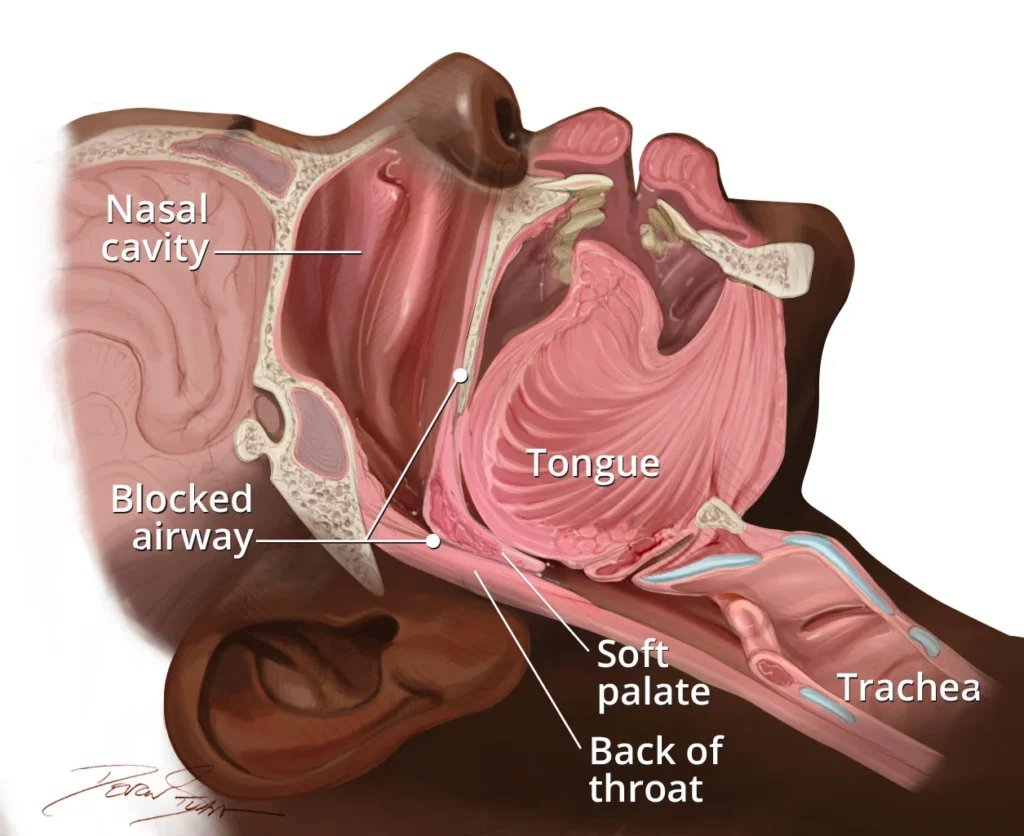
Snoring usually happens when airflow gets partially blocked during sleep. As air squeezes through a narrower space, soft tissues can vibrate and create sound.
That narrowing can come from different places: the nose, the soft palate, the tongue, or the jaw relaxing backward. Alcohol, sleep position, and congestion can make it worse.
Important: Snoring can also be a sign of sleep-disordered breathing, including sleep apnea. If you suspect that, don’t self-manage it indefinitely.
Where does an anti snoring mouthpiece fit in right now?
Mouthpieces are popular because they aim at a common mechanical contributor: what your jaw and tongue do when you fall asleep. Many designs work by gently positioning the lower jaw forward, which may help keep the airway more open.
People often compare mouthpieces to other trending tools like nasal strips or dilators. Those can be useful, but they target a different “choke point.” If your snoring is mostly from jaw/tongue collapse, nasal-only tools may not be enough.
What mouthpieces are best suited for
- Snoring that’s worse on your back
- Snoring paired with a relaxed, open-mouth sleep posture
- People who want a non-drug, non-surgery option to try first
When a mouthpiece may be the wrong tool
- Significant jaw pain, TMJ flare-ups, or loose dental work
- Primary issue is nasal blockage you can feel all day
- Symptoms that suggest sleep apnea (see red flags below)
How do I choose a mouthpiece that I’ll actually wear?
Most “failed mouthpiece” stories are comfort stories. The device might be fine, but if it feels bulky, dries your mouth, or makes you sore, it won’t last past a few nights.
Use the ICI basics: fit, comfort, and consistency
- ICI = Improve airflow, Comfort first, Integrate into routine.
- Improve airflow: Look for a design that supports jaw positioning without forcing an extreme change.
- Comfort first: Smooth edges, manageable thickness, and a fit that doesn’t pinch matter more than hype.
- Integrate: If it’s annoying to prep and clean, you’ll “forget” it on busy nights.
Positioning: the small tweaks that change everything
Jaw-forward devices should feel supportive, not aggressive. If you wake up with soreness, the setting may be too advanced, or you may need a different style.
Side sleeping can amplify results. Think of it as stacking small advantages: better position plus a device that keeps the airway from narrowing.
Do nasal strips or nasal dilators help, or is that just hype?
Nasal tools are having a big cultural moment, and for good reason: many people feel stuffy, especially during allergy seasons, dry hotel stays, or winter heating months. If nasal airflow improves, snoring can improve for some sleepers.
Research discussions around nasal dilators exist, but results vary by person and by the underlying cause of snoring. In real life, the simplest way to think about it is this: if your nose is the bottleneck, nasal support can matter. If your jaw/tongue is the bottleneck, a mouthpiece may matter more.
A practical combo approach
- Nasal support on nights you’re congested (travel, colds, allergies)
- Mouthpiece when snoring seems position-related or mouth-breathing related
- Sleep routine basics so you’re not asking one gadget to fix everything
What about kids and airway health—why is that in the conversation?
More dental and health conversations are highlighting airway development early in life. That doesn’t mean every child who snores has a serious problem. It does mean caregivers are paying closer attention to breathing patterns, sleep quality, and growth-related factors.
If you want a general reference point tied to that trend, see this: Reviewers Who’ve Struggled With ‘Decades’ Of Congestion Say These Nasal Strips Drastically Improve Breathing.
For adults, the takeaway is simpler: airway + sleep quality is a whole-body topic, not just a noise issue.
How do I keep a mouthpiece comfortable (and not gross)?
Comfort and cleanup are the difference between “I tried it” and “I use it.” Keep the routine short and consistent.
Comfort checklist
- Give it an adjustment window. Your mouth may need several nights to adapt.
- Hydrate earlier in the day. Dry mouth at night can make any device feel worse.
- If you clench or grind, pay attention to morning jaw fatigue.
Cleanup checklist
- Rinse after each use.
- Brush gently with mild soap (avoid harsh abrasives).
- Dry fully before storing in a ventilated case.
What are the red flags that mean “don’t just buy another gadget”?
Snoring can be harmless, but it can also point to sleep apnea. If you notice breathing pauses, choking/gasping, morning headaches, or heavy daytime sleepiness, it’s time to talk to a clinician.
For an overview of symptoms and causes, this resource is a solid starting point: Mayo Clinic’s sleep apnea symptoms and causes.
What should I try first if my goal is better sleep this week?
If you want a simple plan that matches what people are talking about right now—sleep tech, travel fatigue, and “please let us both sleep” relationship reality—start with the most likely bottleneck.
- If you feel congested: consider nasal support and bedroom humidity tweaks.
- If you snore more on your back: side-sleeping strategies plus a mouthpiece may help.
- If you’re exhausted during the day: don’t assume it’s just stress. Screen for red flags.
If you’re comparing options, you can review anti snoring mouthpiece and focus on comfort, adjustability, and ease of cleaning.
FAQ
Can an anti snoring mouthpiece help if I breathe through my mouth?
It can, especially if snoring is tied to jaw position. If nasal blockage is the main issue, nasal support may matter more.
How long does it take to get used to a mouthpiece?
Many people adapt over several nights to a couple of weeks. Start with shorter wear time and focus on comfort and fit.
Do nasal strips and mouthpieces do the same thing?
No. Nasal strips aim to improve airflow through the nose. Mouthpieces typically reposition the jaw or tongue to keep the airway more open.
What’s the easiest way to clean a snoring mouthpiece?
Rinse after use and brush gently with mild soap. Let it dry fully and store it in a ventilated case.
When is snoring a sign I should talk to a clinician?
If you have choking/gasping, witnessed breathing pauses, severe daytime sleepiness, or high blood pressure concerns, get evaluated for sleep-disordered breathing.
Ready to make snoring less of a nightly event?
Pick one change you can stick with, then build from there. If a mouthpiece is your next step, prioritize comfort and routine so it actually gets used.
How do anti-snoring mouthpieces work?
Medical disclaimer: This article is for general education only and is not medical advice. Snoring can have many causes. If you suspect sleep apnea or have concerning symptoms, seek evaluation from a qualified healthcare professional.