
On the last night of a work trip, someone finally fell asleep… and the room instantly turned into a tiny concert venue. The partner in the next bed did the classic routine: nudge, roll, bargain, repeat. By morning, both were exhausted and joking about booking separate rooms forever.
That story is everywhere right now. People are talking about sleep gadgets, wearable scores, and “biohacking” bedtime. They’re also talking about travel fatigue, workplace burnout, and how snoring can turn a relationship into a nightly negotiation. Against that backdrop, the anti snoring mouthpiece keeps showing up as a practical, non-techy option worth considering.
What people are talking about right now (and why it matters)
Sleep gadgets are booming, but simple fixes still win
Headlines and trend pieces keep circling the same theme: more people want better sleep, and they’re shopping for solutions. Some are trying smart rings and app-based sleep coaching. Others are going old-school with earplugs, white noise, and devices designed to reduce snoring.
That mix makes sense. Burnout has people chasing deeper rest. Travel and odd schedules make snoring feel louder. And if you share a bed, the “who kept who awake” debate becomes very real.
Anti-snore device roundups are pushing mouthpieces into the spotlight
Recent coverage has highlighted anti-snore devices as a category, often with input from sleep clinicians. The takeaway is not “one magic product.” It’s that the best device depends on why you snore and what you can actually tolerate at 2 a.m.
If you want to see what’s being discussed in mainstream coverage, here’s a related search-style link: Europe Anti-snoring Device Market Size and Forecast 2025–2033.
The medical side: what snoring does to sleep quality
Snoring isn’t just noise—it can fragment sleep
Even when snoring seems “harmless,” it can disrupt sleep quality for both people in the room. Micro-arousals (tiny awakenings you may not remember) can reduce how restorative sleep feels the next day. That’s why people can log eight hours and still feel foggy.
Sometimes snoring is a sign you should take seriously
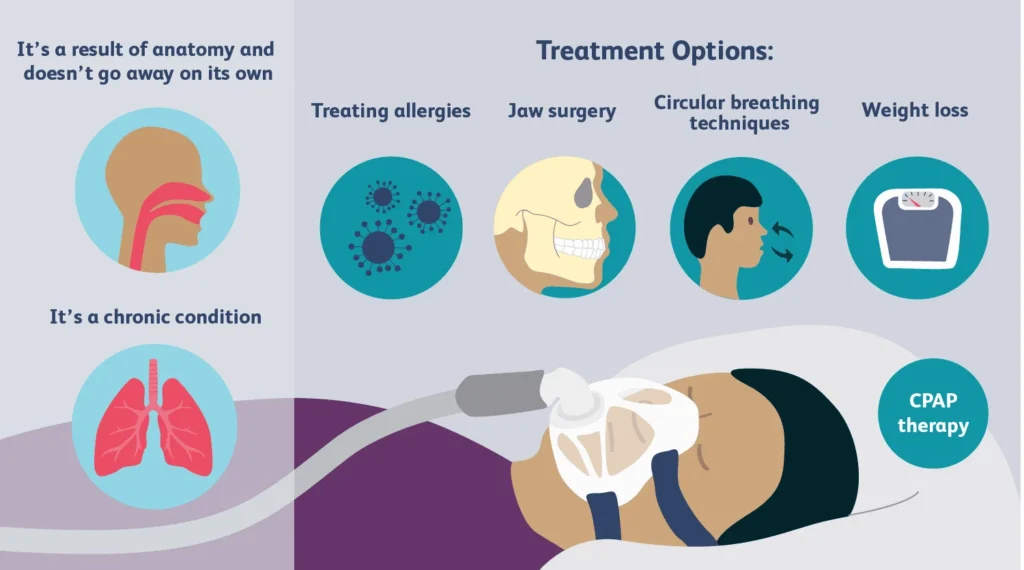
Snoring can also show up alongside sleep apnea. You can’t diagnose that at home with a vibe check. If there are breathing pauses, choking or gasping, morning headaches, or heavy daytime sleepiness, it’s worth getting evaluated.
Medical disclaimer: This article is for general education and is not medical advice. It does not diagnose or treat any condition. If you suspect sleep apnea or have significant symptoms, talk with a qualified clinician.
A realistic at-home plan: what to try first
Step 1: Reduce the “stacking” factors
Snoring often gets worse when multiple small factors pile up. Try a few of these tonight:
- Side-sleep if you can. Back-sleeping often worsens airway collapse for many people.
- Skip alcohol close to bedtime. It can relax airway tissues and make snoring louder.
- Address nasal stuffiness with basic comfort measures (like humidification or saline). Breathing through your nose can reduce mouth-open snoring for some.
- Protect your sleep window. Burnout and late-night scrolling can create lighter, more fragmented sleep that makes everything feel worse.
Step 2: Consider an anti snoring mouthpiece (the “mechanical” approach)
An anti-snoring mouthpiece is designed to change what’s happening in your mouth and jaw during sleep. Many options aim to keep the lower jaw from drifting back, which can help keep the airway more open. Others focus on reducing mouth breathing or supporting a stable sleep posture.
What people like about mouthpieces: they’re low-tech, portable for travel, and they don’t require charging. What people dislike: the adjustment period, drooling, tooth or jaw soreness, and the need to dial in fit.
Step 3: Pairing tools can help the right person
If your snoring is strongly tied to sleeping with your mouth open, a chinstrap-style support can be a useful add-on for some sleepers. Combination approaches are popular because they target more than one pathway to snoring.
If you’re exploring that route, here’s a relevant product-style search anchor: anti snoring mouthpiece.
When “try at home” should turn into “get checked”
Don’t wait if these show up
Consider medical evaluation sooner (not later) if you notice:
- Breathing pauses observed by a partner
- Choking or gasping during sleep
- Excessive daytime sleepiness or dozing off unintentionally
- High blood pressure or cardiometabolic risk factors alongside loud snoring
- Snoring that suddenly worsens without a clear reason
Also: jaw pain is a signal to reassess
If a mouthpiece causes persistent jaw pain, tooth pain, or bite changes, stop and get guidance from a dental professional. “Powering through” discomfort is not a strategy.
FAQ: quick answers before you buy anything
Is snoring always caused by being overweight?
No. Weight can be a factor, but snoring also relates to anatomy, nasal congestion, alcohol, sleep position, and airway tone.
What if I only snore when traveling?
Travel can stack the deck: dehydration, alcohol, odd sleep times, allergies, and back-sleeping in unfamiliar beds. A portable device plus better sleep basics can help, but persistent snoring still deserves attention.
Can a mouthpiece replace CPAP?
For diagnosed sleep apnea, treatment should be guided by a clinician. Some people use oral appliances under professional supervision, but it depends on severity and anatomy.
CTA: make the next night easier
If snoring is messing with your sleep quality (and your relationship peace treaty), start simple, then get more targeted. A well-chosen mouthpiece can be a practical step for many people, especially when travel and burnout are already draining your recovery time.