
Snoring isn’t just “noise.” It’s a sleep-quality tax you pay all night.
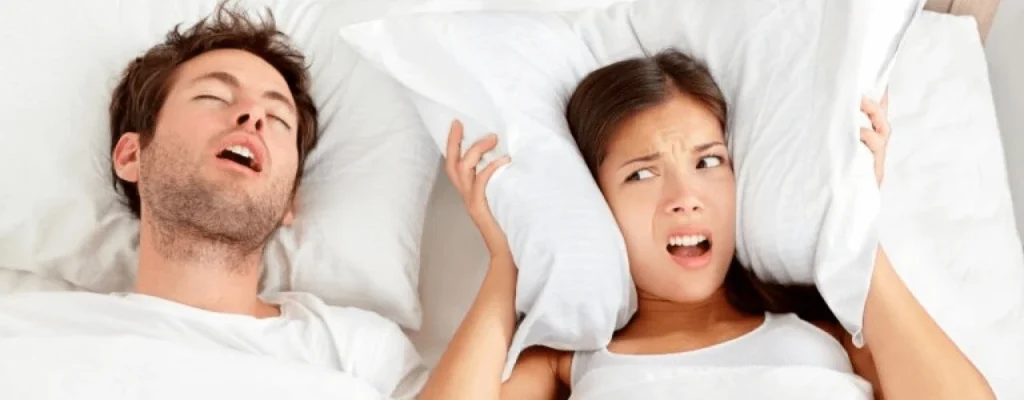
And it shows up everywhere: on travel days, during burnout weeks, and in the not-so-cute relationship jokes the next morning.
Thesis: If you want a budget-friendly, low-drama next step, an anti snoring mouthpiece can be a practical trial—if you match it to the right kind of snoring and watch for red flags.
What people are buzzing about right now (and why)
Sleep is having a moment. You’ve got apps scoring your “readiness,” wearables flagging recovery, and a steady stream of new gadgets promising quieter nights. Some headlines even point to new research efforts, including a clinical trial testing an innovative anti-snoring device aimed at reducing sleep disruption.
At the same time, general health coverage keeps tying nighttime habits to long-term risk. The takeaway is not panic. It’s that sleep choices stack up, especially when stress, late screens, and inconsistent schedules are the norm.
If you want a quick scan of the research conversation, see this: New clinical trial will test innovative anti-snoring device to tackle sleep disruption.
What matters medically (no hype, just the basics)
Snoring usually happens when airflow gets turbulent and soft tissues vibrate. That can be more likely when your airway is narrower, your muscles relax more deeply, or you sleep on your back.
Two important points:
- Snoring can be “simple,” meaning annoying but not dangerous on its own.
- Snoring can also show up with sleep apnea, where breathing repeatedly reduces or stops during sleep. That’s a different category and needs proper evaluation.
Think in signals, not guesses. If you’re waking up unrefreshed, nodding off in meetings, or getting complaints about choking/gasping sounds, don’t treat it like a cosmetic issue.
A practical at-home plan (before you waste a cycle)
Start with the cheapest levers first. Give each step a few nights so you can tell what’s actually helping.
Step 1: Fix the “snoring multipliers”
- Side-sleeping: Back sleeping often makes snoring worse. A body pillow can help you stay on your side.
- Alcohol timing: Drinking close to bedtime can relax airway muscles more than you want.
- Nasal comfort: If you’re congested, address that (saline rinse, shower steam, or other safe options you already use).
- Travel fatigue plan: After late flights or time-zone shifts, snoring can spike. Prioritize hydration and a consistent wind-down.
Step 2: Consider an anti snoring mouthpiece (the “mechanical” option)
A mouthpiece is popular because it’s a one-time buy (or close to it) and doesn’t require charging, syncing, or a subscription. It may help if your snoring is tied to jaw position or mouth breathing during sleep.
For people who want a combined approach, a product that pairs jaw support with added stabilization can be appealing. Example: anti snoring mouthpiece.
Step 3: Run a simple 7-night test
- Pick one change at a time (mouthpiece OR side-sleeping tool OR alcohol timing) so results aren’t muddy.
- Track two outcomes: partner-reported noise (or an app recording) and your morning energy.
- Watch comfort: mild drooling or jaw tightness can happen early. Sharp pain or worsening bite feeling is a stop sign.
When you should stop DIY and get checked
Snoring plus daytime symptoms is where “just try a gadget” can turn into a delay you don’t need. Consider medical evaluation if any of these are true:
- Witnessed pauses in breathing, choking, or gasping
- Strong daytime sleepiness, morning headaches, or brain fog that doesn’t lift
- High blood pressure, heart disease risk concerns, or a family history that raises the stakes
- Severe nasal obstruction or persistent mouth breathing
- Jaw pain, tooth pain, or bite changes with a mouthpiece
If sleep apnea is suspected, a clinician can guide testing and evidence-based treatment options.
FAQ: quick answers people actually need
Is snoring always a health problem?
No. But it can still wreck sleep quality for you and your partner. Also, it can be a clue to sleep apnea, so symptoms matter.
Do mouthpieces help with workplace burnout?
They don’t treat burnout. They may help reduce one contributor—poor sleep—if snoring is fragmenting your rest.
What if my partner says I only snore after drinks or on trips?
That pattern is common. Treat it like a predictable trigger and plan around it (timing, hydration, side sleeping, and a mouthpiece trial if needed).
CTA: get the simple explanation first
If you’re deciding whether a mouthpiece is worth trying, start with the basics and skip the hype.
How do anti-snoring mouthpieces work?
Medical disclaimer: This article is for general education and does not provide medical advice or a diagnosis. If you have symptoms of sleep apnea, significant daytime sleepiness, chest pain, or jaw/tooth pain from any device, consult a qualified healthcare professional.