
Snoring is having a moment. Not in a fun way.
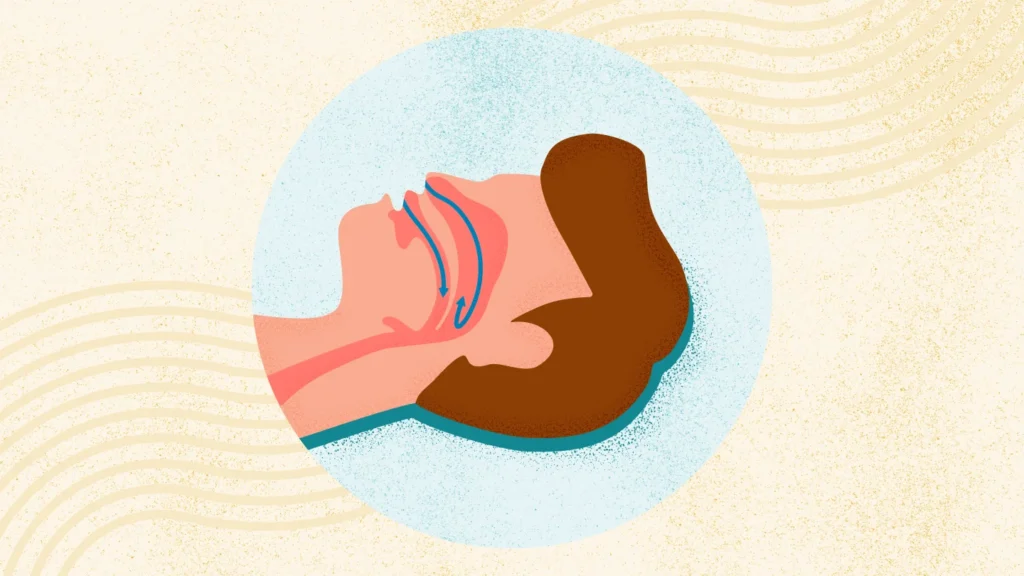
Between travel fatigue, burnout, and gadget-heavy “sleep optimization,” people are trying anything to quiet the night.
Thesis: Skip risky viral hacks and use a simple, safer plan to protect sleep quality—starting with the right tool for the job.
Overview: what’s driving the snoring conversation right now
Sleep content is everywhere. So are quick fixes. You’ll see mouth tape, nasal devices, smart rings, white-noise machines, and “biohacking” routines that look more like a packing list than bedtime.
One trend getting pushback is mouth taping. The concern is straightforward: blocking your mouth can be a bad idea if you can’t breathe well through your nose, or if something more serious is going on.
Snoring also isn’t just a relationship joke. It can wreck sleep quality for both people in the room. It can also be a sign you should screen for sleep apnea, especially if you have symptoms beyond noise.
Timing: when to act (tonight vs. “someday”)
Do this tonight if snoring is new or suddenly worse
If snoring spiked after a cold, allergies, alcohol, or a long travel day, treat it like a short-term flare. Focus on basics first. Hydration, side-sleeping, and a clear nasal routine may reduce noise fast.
Keep it simple. If you’re exhausted, the best plan is the one you’ll actually do.
Act this week if snoring is frequent or your sleep feels broken
When snoring shows up most nights, or you wake up unrefreshed, it’s time to pick a structured approach. That’s where an anti snoring mouthpiece often enters the chat because it’s a tangible, non-gadgety tool.
Also consider whether you need medical screening. Loud snoring plus daytime sleepiness, gasping, or witnessed pauses in breathing should move “later” to “now.”
Supplies: what you need for a realistic snoring plan
- A way to track patterns: quick notes in your phone (alcohol, congestion, sleep position, stress level).
- Low-friction sleep setup: supportive pillow, consistent bedtime window, and a cool/dark room.
- Nasal support (optional): saline rinse or strips if congestion is part of your pattern.
- An anti-snoring mouthpiece: a properly fitted option designed for snoring (not a random sports guard).
Curious about product comparisons? Start here: anti snoring mouthpiece.
Step-by-step (ICI): Identify → Choose → Implement
1) Identify your most likely snoring triggers
Don’t overdiagnose yourself. Just look for patterns you can control.
- Position: snoring mainly on your back.
- Congestion: seasonal allergies, dry air, or frequent stuffiness.
- Schedule stress: late meals, late screens, and short sleep windows.
- Alcohol/sedatives: more noise after drinks or certain meds (ask your clinician before changing any medication).
2) Choose the safest “first tool” (and skip the risky shortcuts)
Viral hacks can sound appealing because they’re cheap and dramatic. Mouth taping is a good example. It’s often framed as “train your breathing,” but it can create problems if your nasal airflow isn’t solid.
If you’re tempted, at least read a balanced medical take first. Here’s a relevant reference framed like a search query: Why Doctors Say You Shouldn’t Tape Your Mouth Shut at Night.
For many snorers, a purpose-built mouthpiece is a more straightforward option because it aims to reduce airway collapse by gently positioning the jaw or stabilizing the tongue (depending on the design).
3) Implement for 14 nights before you judge results
Give your body time to adapt. Most people need several nights to settle into a new sleep tool.
- Night 1–3: focus on comfort and fit. Expect some drooling or mild jaw awareness at first.
- Night 4–7: track snoring volume and morning feel. Ask your partner for a simple 1–10 rating.
- Week 2: evaluate sleep quality. Look for fewer wake-ups, less dry mouth, and better daytime energy.
Pair the mouthpiece with one basic behavior change, not five. For example: side-sleeping or a consistent lights-out time. Stacking too much makes it hard to know what helped.
Mistakes that waste money (or make sleep worse)
Chasing trends instead of causes
New gadgets drop every week. If you’re buying tools without identifying triggers, you’ll end up with a drawer full of “almost worked.”
Ignoring sleep apnea red flags
Snoring can be harmless, but it can also point to obstructive sleep apnea. If you have loud snoring plus choking/gasping, morning headaches, or serious daytime sleepiness, get evaluated.
Assuming “tighter” means “better”
A mouthpiece shouldn’t feel like a clamp. Over-tightening or forcing fit can lead to jaw pain and poor adherence. Follow the fitting directions and stop if you develop significant discomfort.
Letting relationship humor replace a plan
Yes, snoring is a classic couple argument. The fix isn’t separate bedrooms forever (unless you both love that). The fix is a shared plan: pick a tool, set a trial window, and measure outcomes.
FAQ
Do anti-snoring mouthpieces work for travel fatigue snoring?
They can. Travel often disrupts sleep position, hydration, and nasal comfort. A mouthpiece may help, but also address dryness and sleep timing.
What if I only snore after drinking?
That pattern is common. Consider reducing alcohol close to bedtime and testing whether snoring drops before investing heavily in multiple devices.
Can I use a mouthpiece if I have dental work or TMJ issues?
It depends. If you have jaw pain, loose teeth, significant dental work, or bite concerns, ask a dentist or sleep clinician before using an oral appliance.
CTA: pick one tool and run a clean 2-week test
If snoring is stealing your sleep quality, keep the plan simple: identify triggers, avoid risky shortcuts, and test a purpose-built mouthpiece for two weeks with basic tracking.
How do anti-snoring mouthpieces work?
Medical disclaimer: This article is for general education only and is not medical advice. Snoring can be a symptom of obstructive sleep apnea or other conditions. If you have breathing pauses, gasping, severe daytime sleepiness, chest pain, or worsening symptoms, seek evaluation from a qualified clinician.